Mass Effect playthrough – Pt3

a second wind special

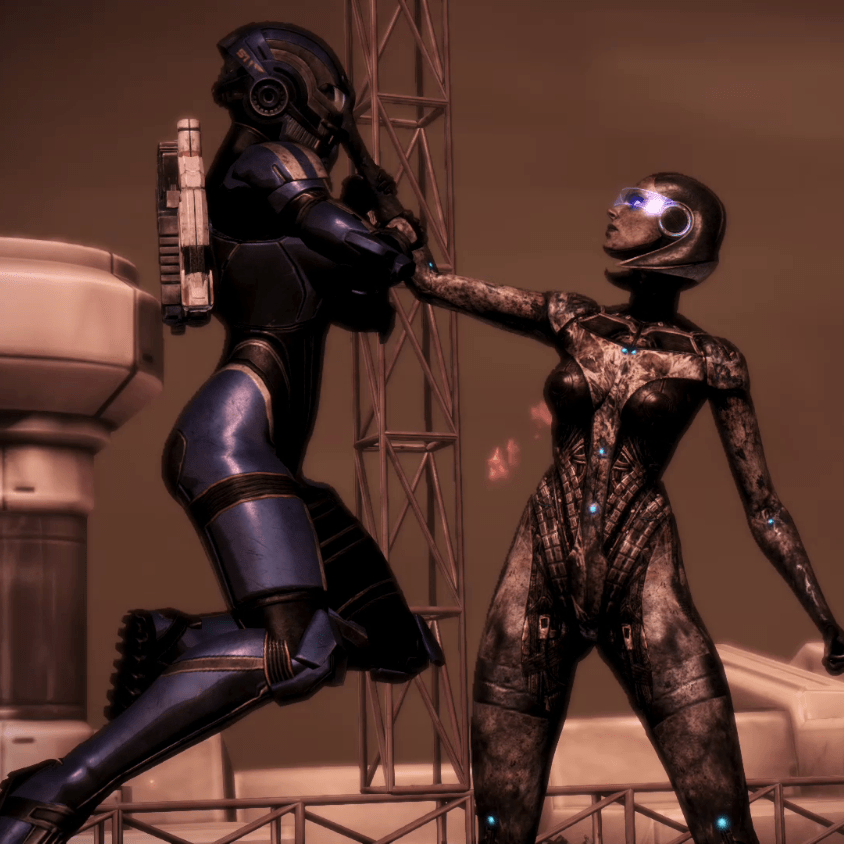
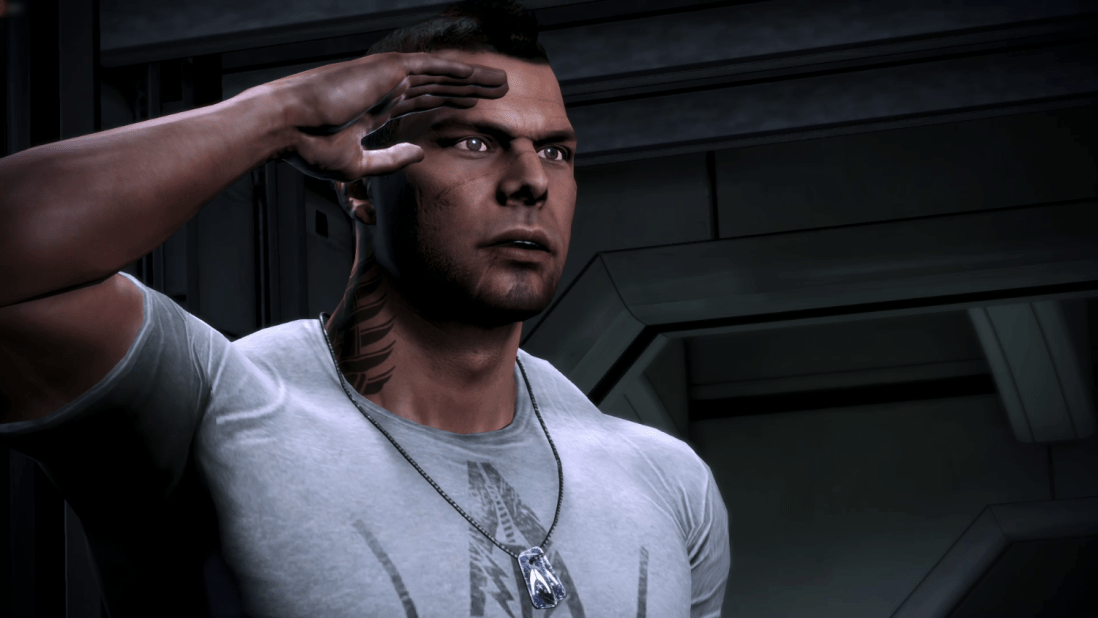
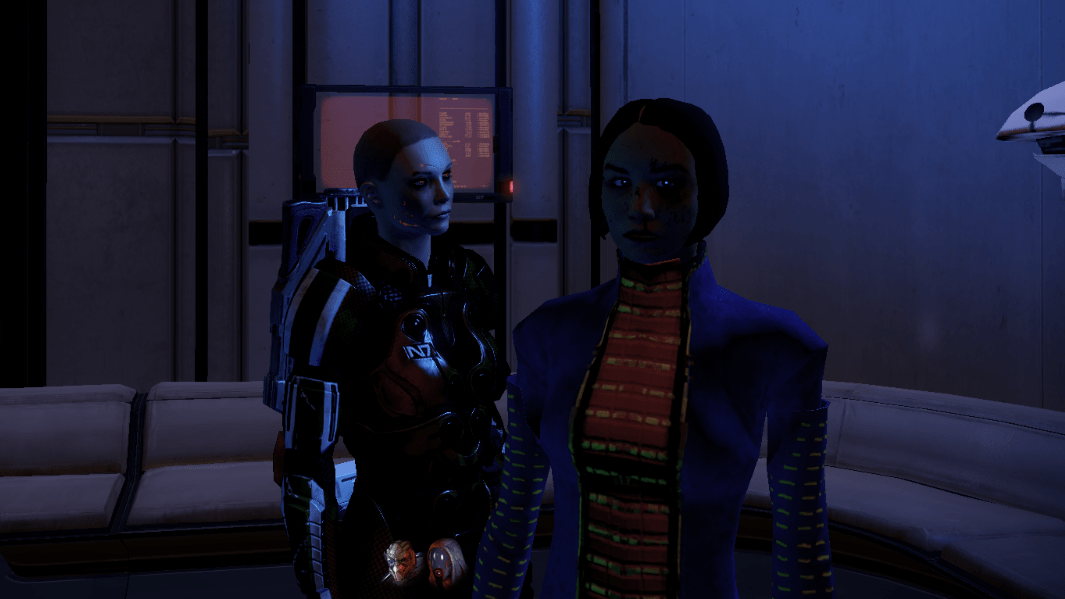
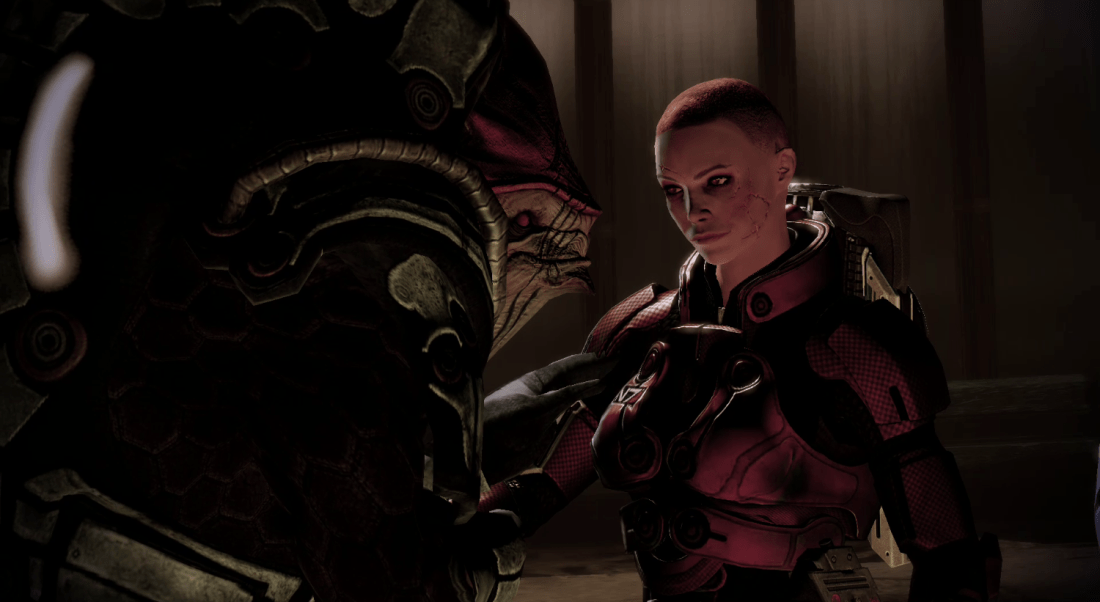
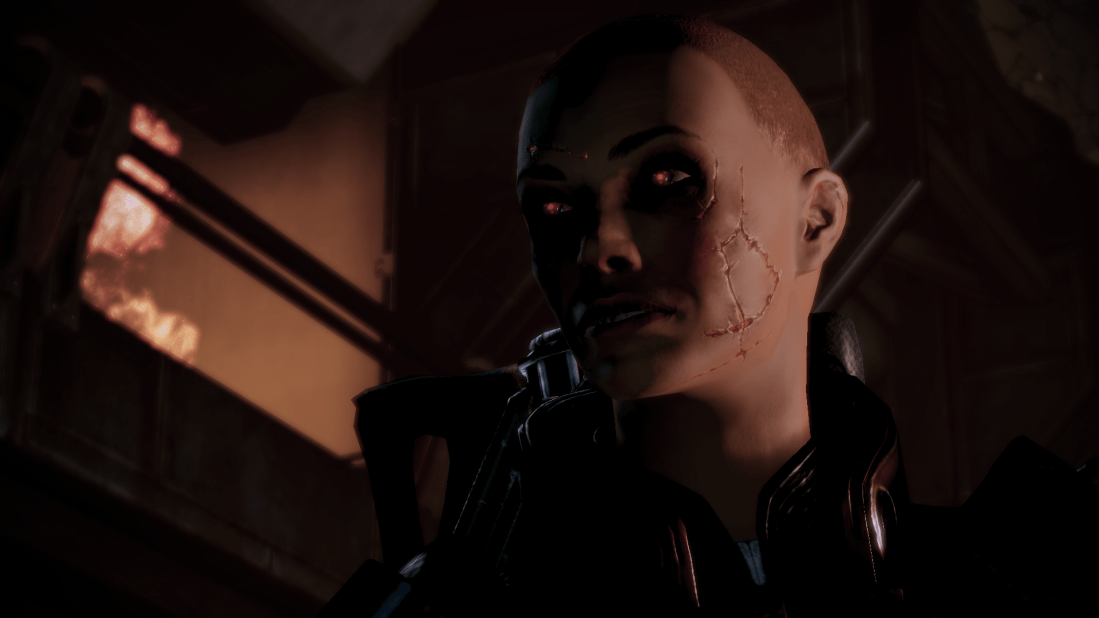
In this final part of FBT’s Mass Effect playthrough, he and Ash get into it, Tali breaks his heart and Javik pays the kind of compliment you can’t come back from. Oh and Reaper stuff too.

So far, ME3 has been an up-and-down game. It’s not followed through on any of ME2’s promise but it’s a tight, fast moving game that keeps the pressure on. With all the ME2 deaths and impacts indifferently accounted for, all’s that left is the Reapers. And Ash.
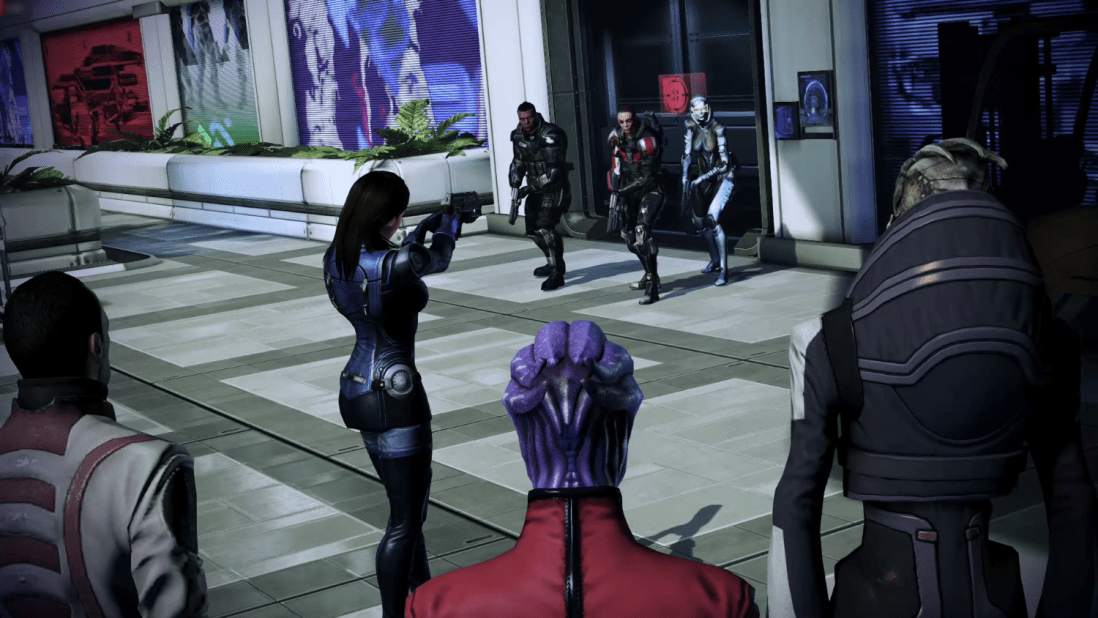
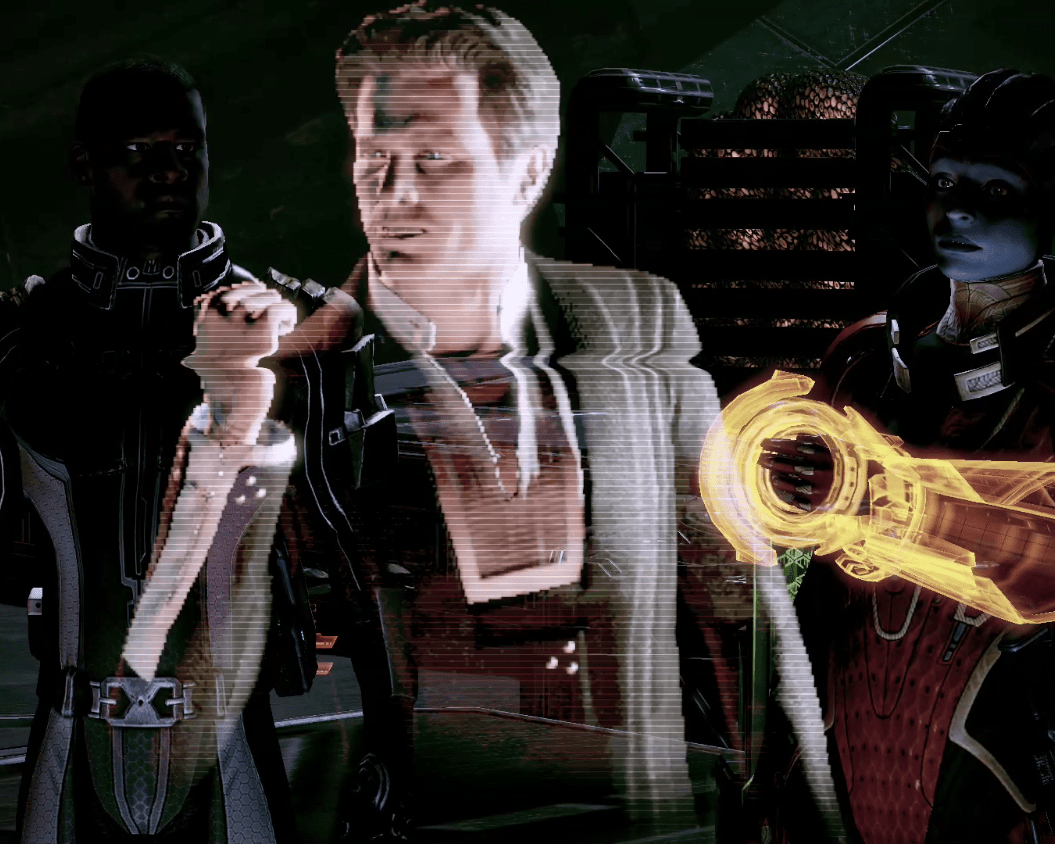
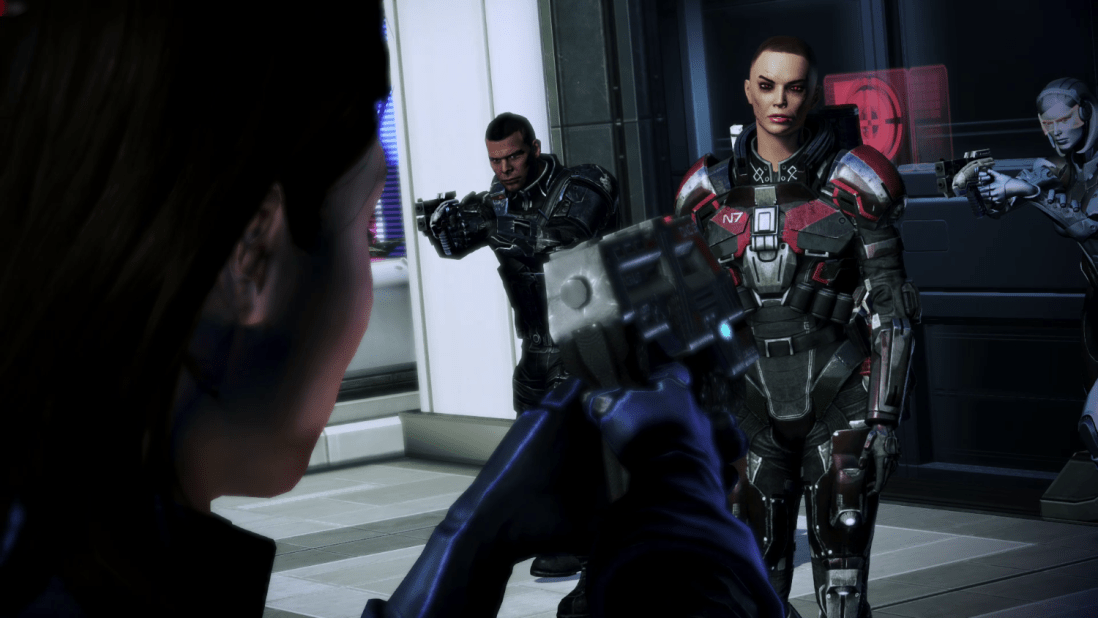
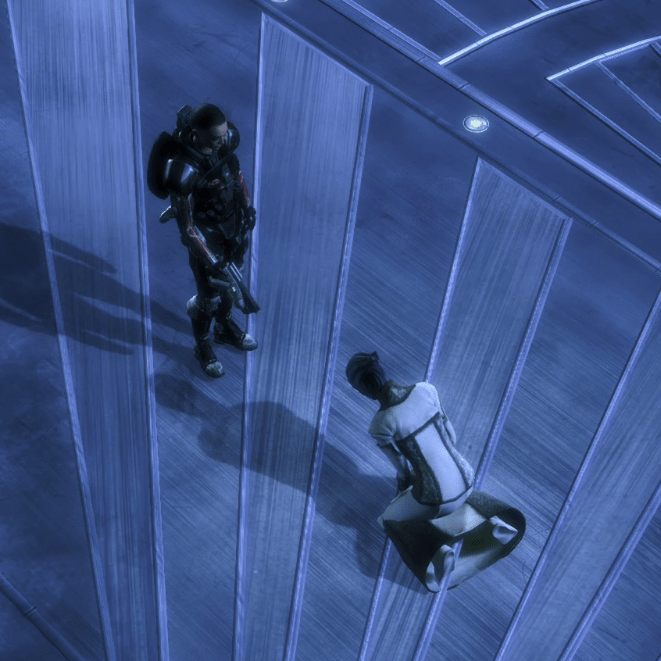
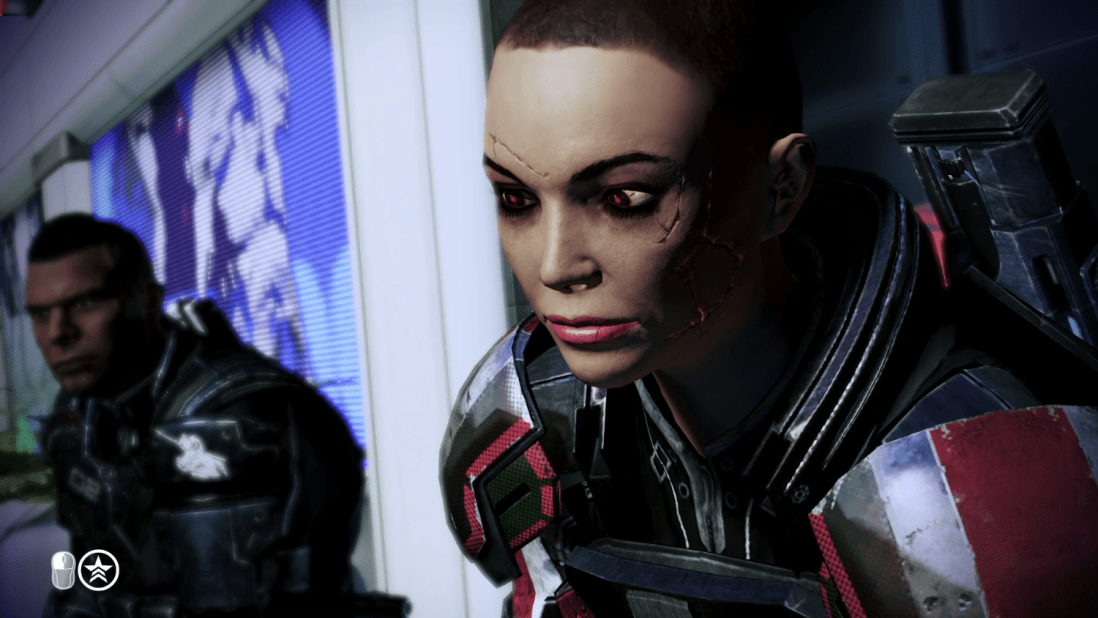
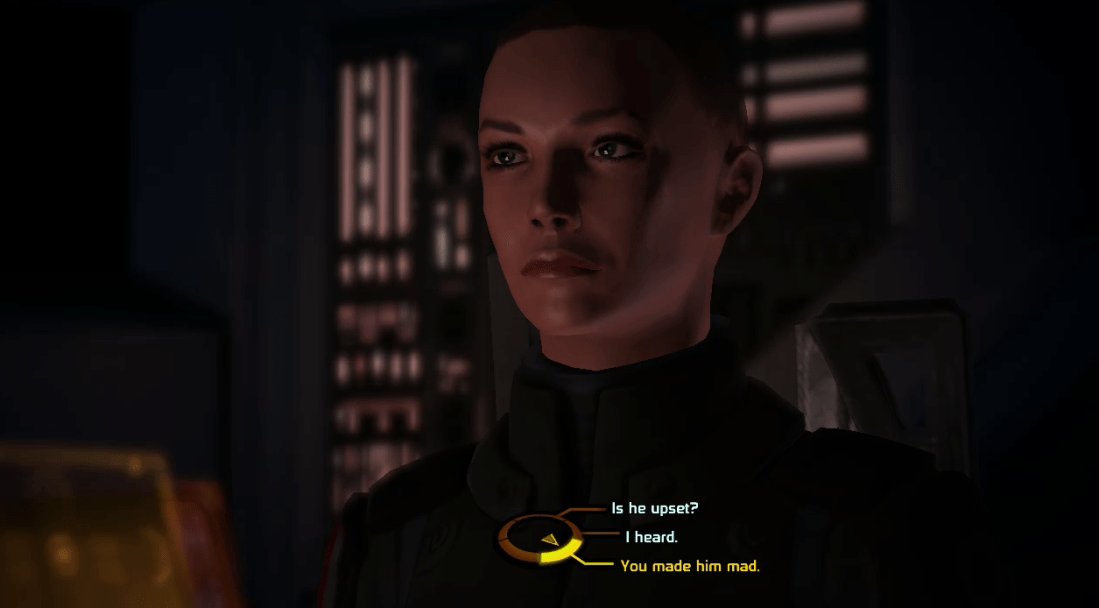
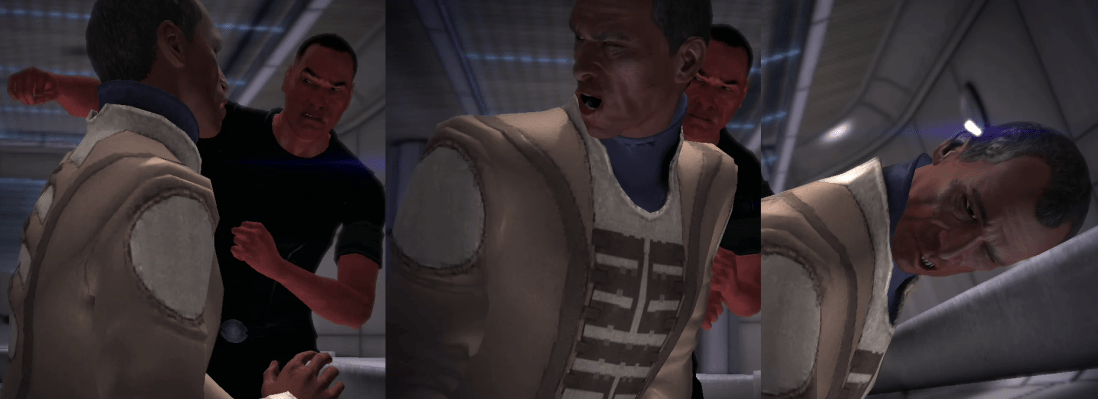
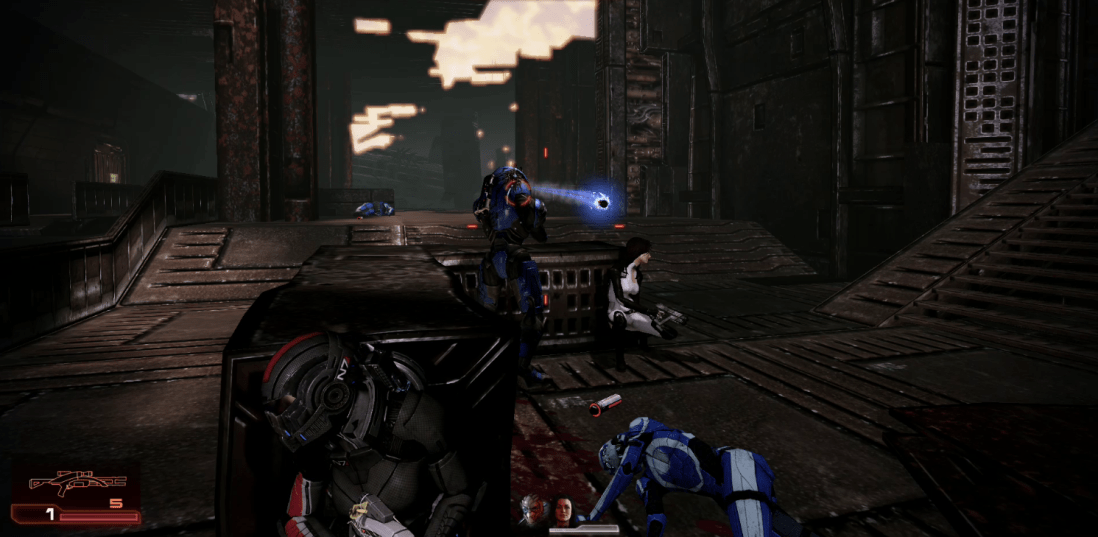
DGAFShep and Ash haven’t really been seeing eye to eye. When we draw our guns on each other, it hits home; Ash would believe we’re behind this attack, all her fears realised. I’m dreading this; if it doesn’t go the way DGAFShep needs it to, chances are I’ll shoot Ash like she’s an Asari – on top of which, this time Udina has Kai-manipulated footage of me killing the councillor. Ash takes aim, I have no choice but to Renegade interrupt and … she backs down. I have no idea why, or what I did (or what more I could do to provoke her), but after I shoot Udina, which I really enjoy, I dismiss Ash with a curt ‘told you so’ and leave.

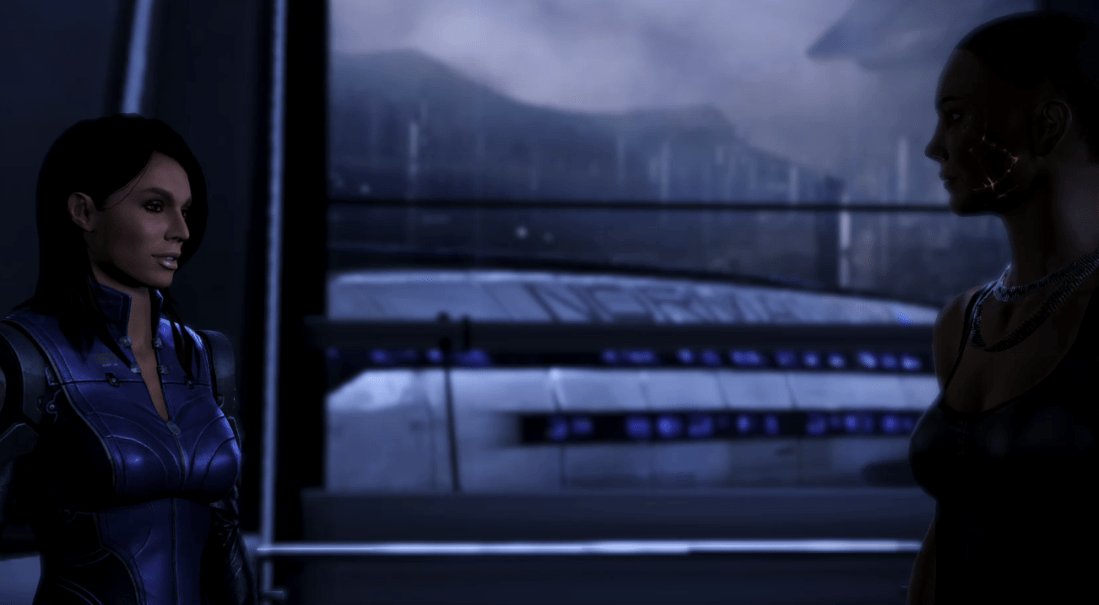
Later, I find her outside the Normandy and we have a tense conversation where I insist she join Hackett. It makes more sense. It’s selfish to keep her there when Hackett needs a Spectre and I’d be holding her back. She’s outgrown Shep. We firmly handshake and I never see her again. Not even at the Citadel party (Sorry James, DGAFShep is also CockblockerShep), but it feels right. DGAFShep might not care, but I do. Hope she makes it.
Oddly, I disagree with the survival of one squad-mate; Grunt. It’s such a great moment when he chooses to stay and give Shep a chance to escape, and his fight-to-the-end is a startling moment that brings home the sacrifices Shep is asking of people. That he rocks up again is great, but it just undermines that moment. He does have one of the best moments in the Citadel DLC so I’m looking forward to that but still, he should die. That’s Loyalty for you. Also, for DGAFShep the non-sacrifice doesn’t really add up to much. Since I gassed the Rachni Queen in ME1, the game has to explain all the Reaper forces and it turns out they just cloned a Queen to produce foot soldiers. This is turning in Borderlands with its respawning mini-bosses. This time I save the Queen and send her off to the Crucible project – where she becomes dangerous and the Alliance kill her. Well done DGAFShep, you wiped out the same species twice. And it causes my War Readiness to drop. More bloody work to do.
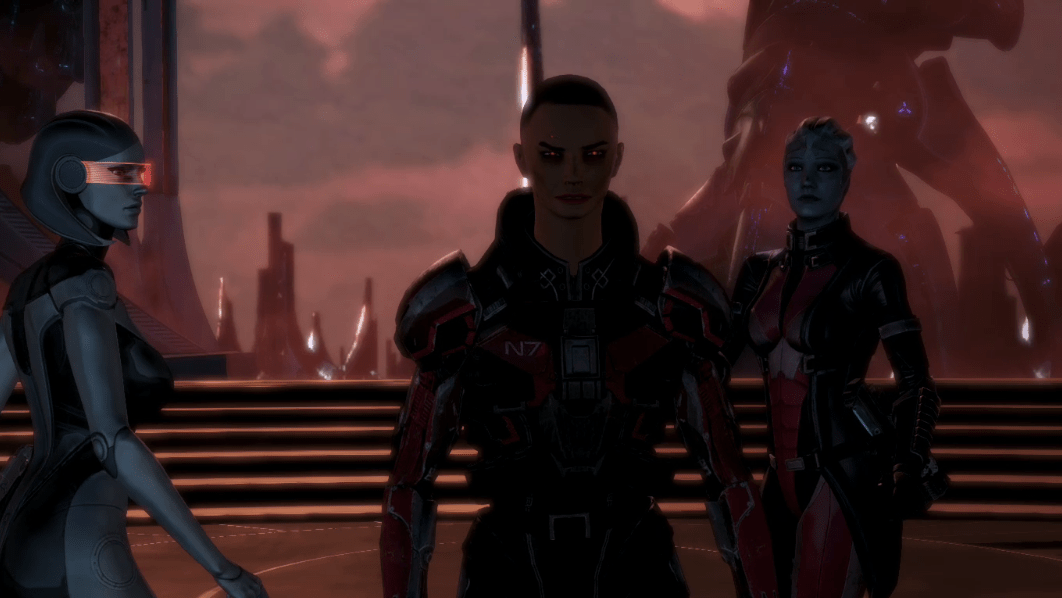
Despite that staffing issue, the War Readiness is growing nicely. Without even realising, it gets past ‘minimum’ which feels like DGAFShep’s target. A large reason for that is my new appreciation for ME3’s missions. I avoid the random and emotional stuff but if the Alliance needs boots on the ground I seem to find myself doing them, rather than working through a list of mission-triggering chores like ME2 just to get things moving. And they just get more and more epic like the Asari home-world and the Reaper fights; it’s exciting and fun (not fun as in causing all those Asari deaths, honest). Before I know it, DGAFShep has inspired the universe and aced the war readiness; I even managed to save Miranda from her dad (And another Kai fail). This time I let her hug her sister. DGAFShep is getting soft in her old age.

Nearing the end, we’re off to Rannoch to help Tali reclaim her homeland. I’ve already tangled with the Quarians but managed to keep them on side – by punching that war-hungry General. I even get to dish out some sass to the downed Reaper, taunting “Tell your friends we’re coming” before another bunch of rockets hit it and I mutter “Never mind, I’ll tell them myself.” Badass.
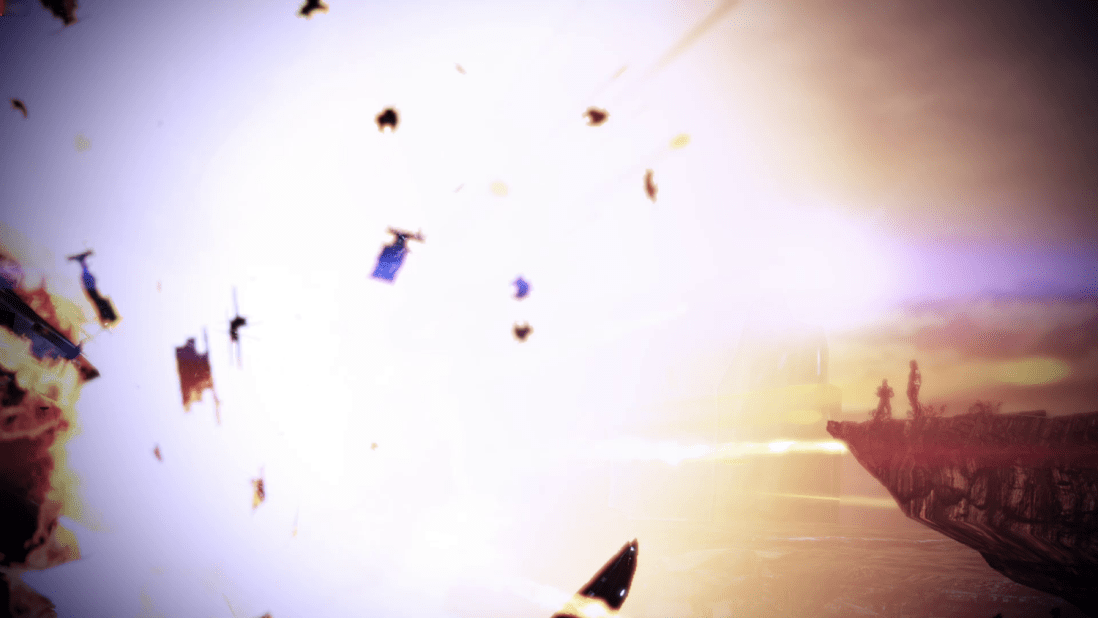
The Quarian’s planet reclaimed, I meet an excitable Tali. I always felt bad about Legion but it’s a great sacrifice – once, I lost Legion in ME2 and another Geth took its place. Despite all the Paragon chat and doing its side-mission it still tried to kill the Quarians and Tali killed it while saying “Legion would have understood” which was affecting; this time though, with Legion loyal and the Quarians onside, we should be good. As I watch Legion upload the code, I start to notice the dialogue is different. Still, sure there’ll be an interrupt where I force that punched general to stand down.

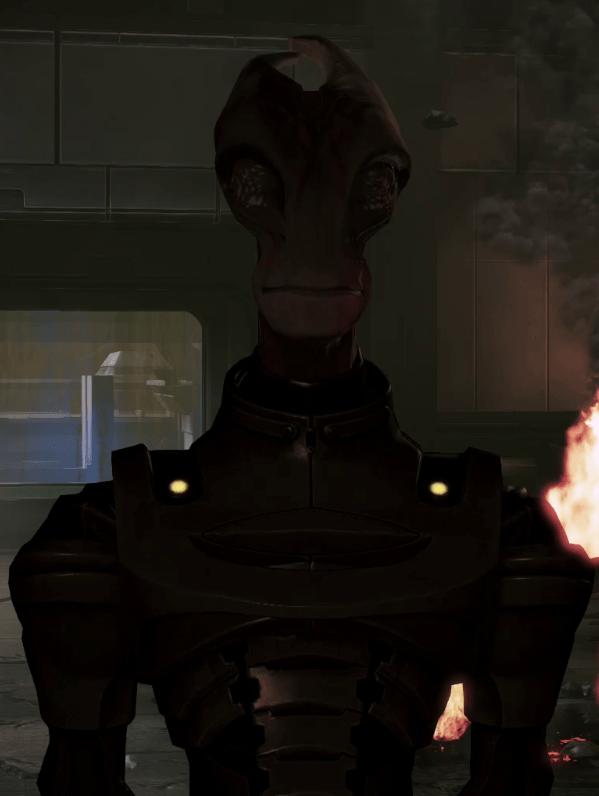
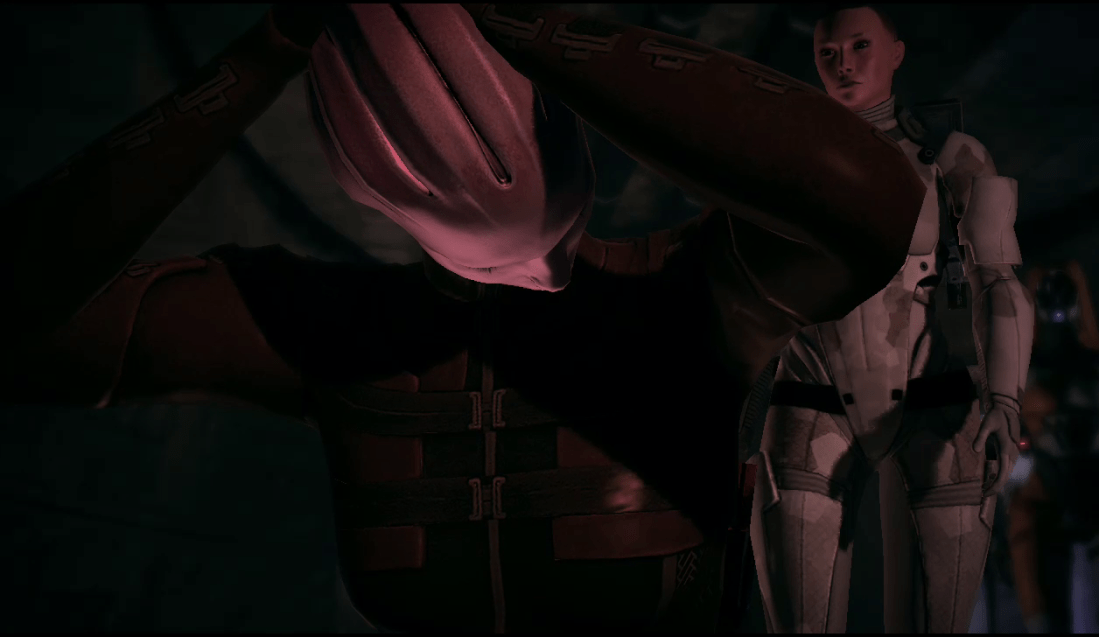
He’s not standing down. Legion’s going to attack the Quarians. My Mass Effect life flashes before my eyes and I realise that without her ME2 loyalty mission, Tali has no sway with the fleet, that she and Legion didn’t patch up their differences, that I didn’t do Legion’s trip into Geth subconscious; because of me, Legion and Tali don’t understood each other. Oh … oh shit. I only have a millisecond to interrupt – but which? For DGAFShep, the Geth are a better option; they have the Reaper code and stronger military. I don’t stop him and the Quarians are wiped out. As I stare at Legion’s body, Tali looks at her beloved planet littered with debris from the fleet … then removes her mask and -just to make it ten times worse- apologises before she jumps.
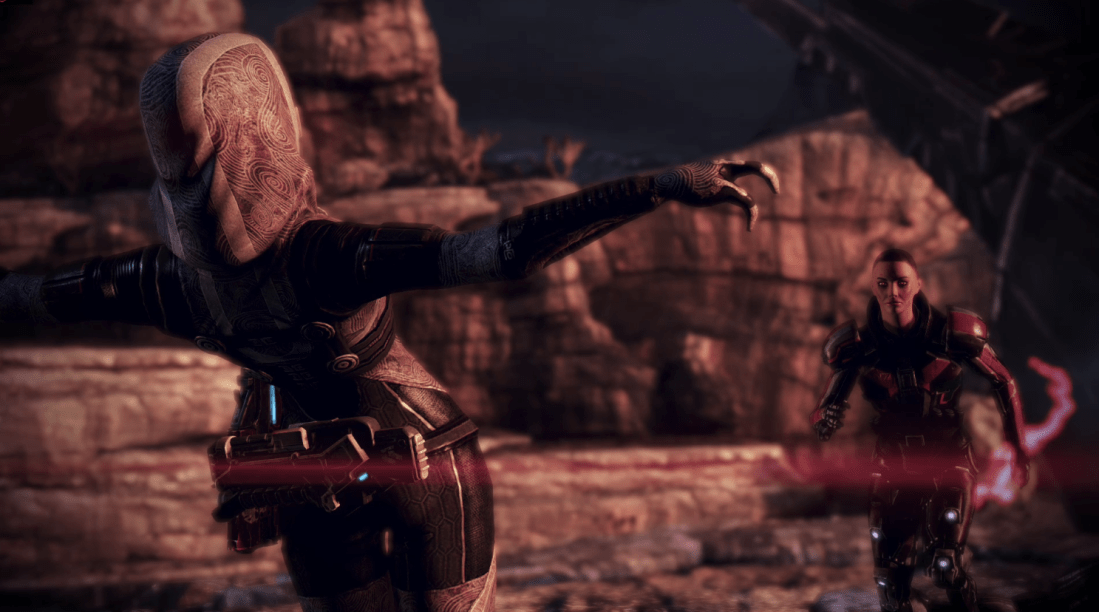
Tali must really regret throwing in with Shep. In ME1 she brought us the proof of Saren’s treachery which justified Shep’s actions – she gave us what we needed to get here and she’s been by our side from the start, but I never let her complete her pilgrimage or exonerate her father; because of me she gets excommunicated then sees her people destroyed. She’s easily the most tragic of all DGAFShep’s followers and it’s a horrible moment. But, this is how all of ME3 should have gone – that impact, the repercussions of our actions. ME3 should be Shep’s choices coming back tenfold, and narrative wise, the only time we really see tragedy is the fall of Thessia, which is a distant event. Tali was up close and personal. This was Shep’s fault. Seeing Tali die affected me for the rest of the game. I don’t want to be DGAFShep anymore.

What I need is a party to cheer myself up. But who is going to come?
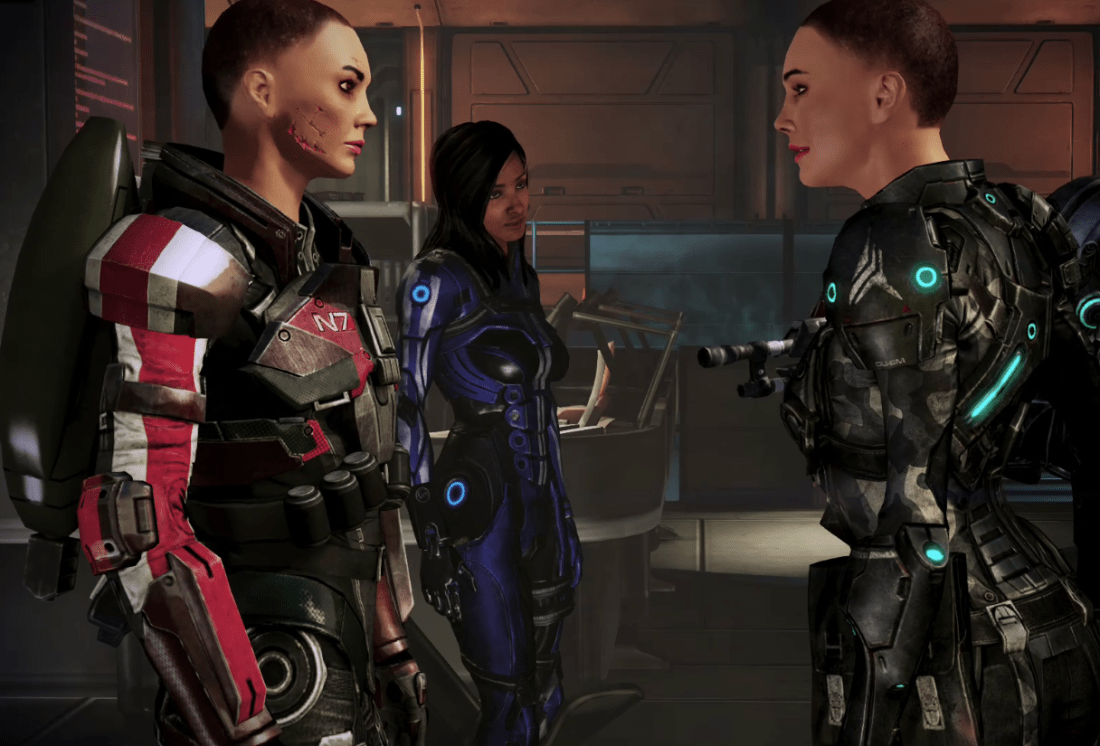
The Citadel DLC is completely justified for DGAFShep – she’s hardly going to turn down a free apartment and some shore leave. The entire DLC is wicked fun; yes, it’s comedy is at odds with the rest of ME3’s stoic, stone-face nature, but on this playthrough I’ve noticed some gallows humour in Shep and this is just an extension of that. It just works so well, you can feel the steam being blown off. You can play it a hundred times and still catch new moments (This time I realised Javik refused to be in Team Mako or Hammerhead and is just Team Prothean, which still gets more kills than the other two). We get to partner with ‘Uncle’ Rex and every character gets their own great moment; when they grumble about never getting picked for missions the meta-humour gets almost too much. There’s loads of jokes and in-jokes, Shep and her ‘dancing’, the digs about breaking the fish tank, EDI going screwy when she loses connection to the Normandy, and the line ‘if you told me this morning a toothbrush was going to save the Normandy, I’d be very sceptical’. And when the caper is over the party begins; no other game gave the characters -or the fans- this much love. There’s more characterisation in this one DLC than most games manage in a GOTY edition.
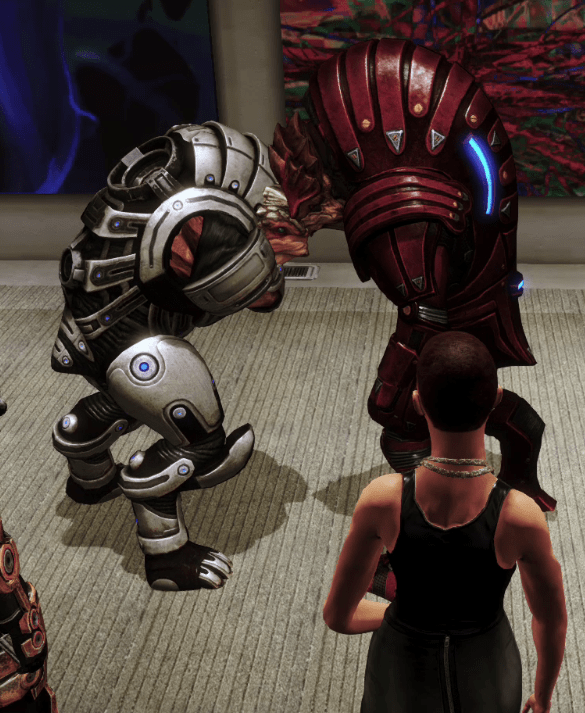
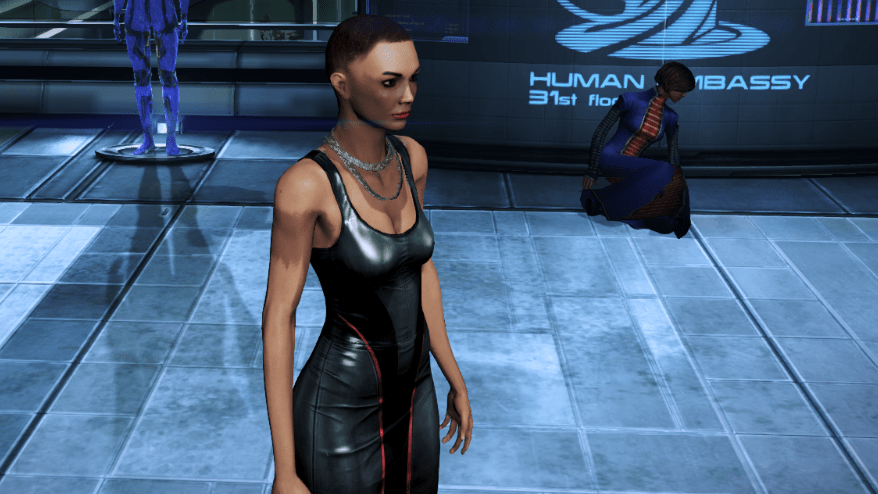
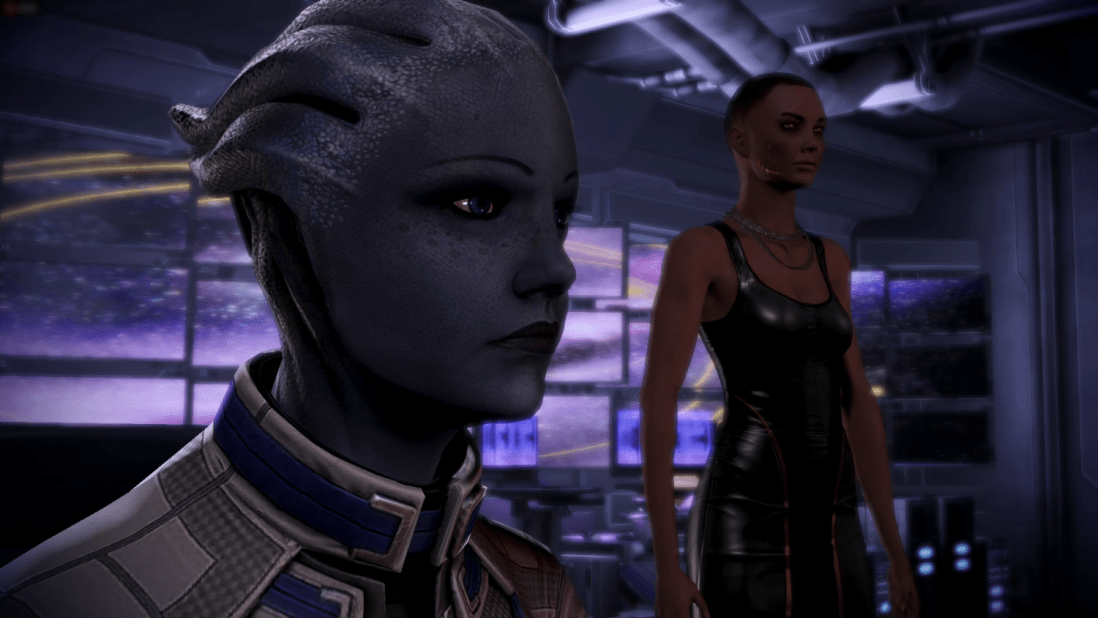
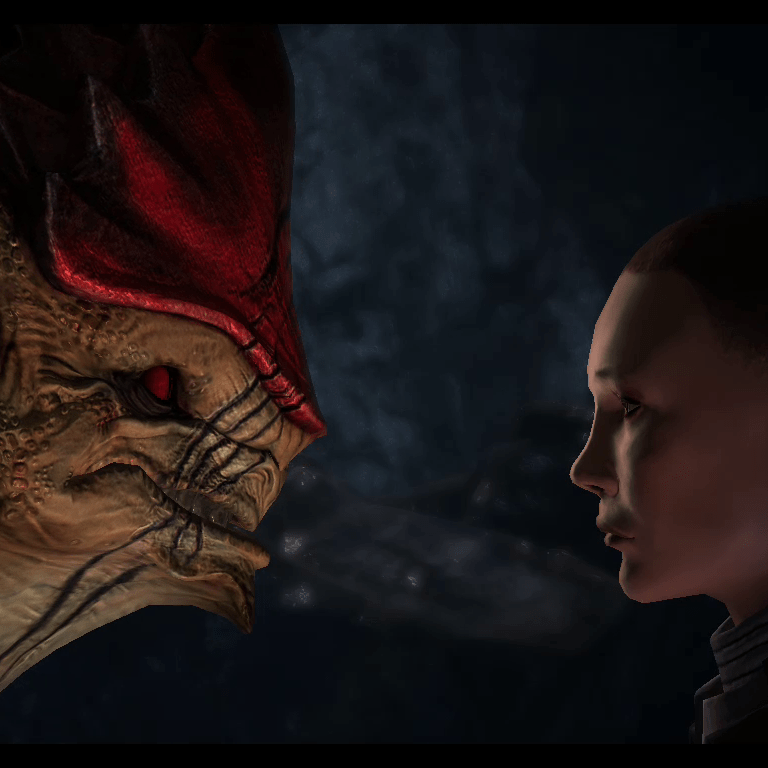
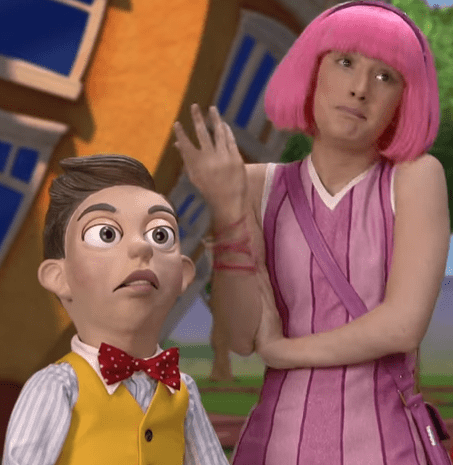
One of the most amusingly harsh moments for DGAFShep is no one contacts her to hang out. Because I never bonded with them, I didn’t get the main-game moments either; Liara’s star-chart, Garrus’ shooting practice; even DGAFShep feels a pang of guilt for not making more effort now. I’m tempted to just have a party with Glyph and his bow-tie, who needs them anyway. I can’t even invite my clone or Brooks because I killed them both. But I figure this is the one time I’m allowed to have fun; they’re an alright bunch. No crew stopping by means I miss not only Miranda in the red dress and Grunt’s pub-crawl, but one of my favourite observations of Shep across the entire trilogy. When James and Cortez make a bet on the game, regardless of the outcome they both win; they weren’t betting on the winner, they were betting on Shep being able to spot a winning team. It’s a perfect nod to Shep’s inherent leadership. DGAFShep didn’t get that complement, but she got complemented by Javik – for her sexual prowess when they wake up together the morning after the party … Citadel might be my favourite DLC of all time. That group-photo is what it’s all about but for DGAFShep, it’s a harsh reminder of those she’s lost; there’s a lot of empty spaces.
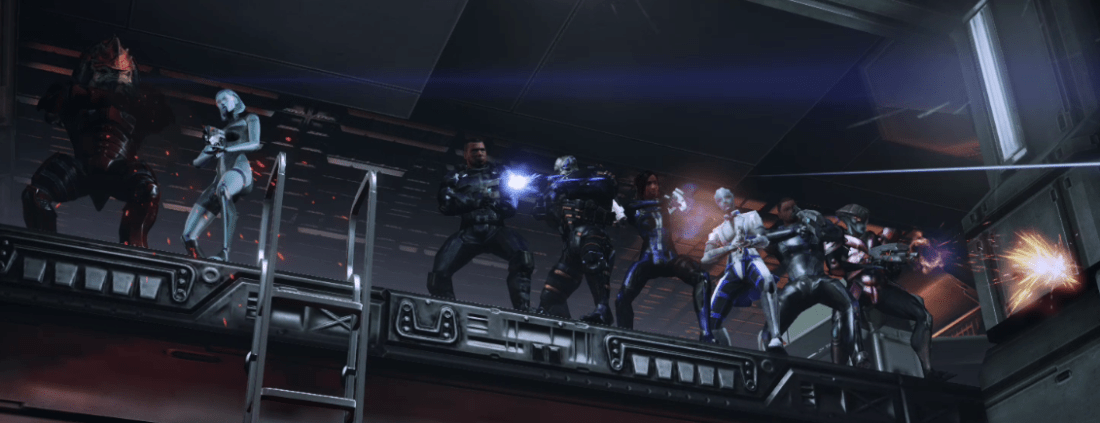
As we reach the staging ground in London I don’t say goodbye to anyone. As they explain the scale of the attack, the odds, the forces we’ll be facing, it makes the Suicide Mission seem like a tutorial. This is gonna be … a standard two teammates mission? There’s a Reaper in the way and you think two followers will cut it? Everything has led up to this, every squad-mate would demand they do their bit just like happened at the end of ME2 but bigger – they wouldn’t just abandon their commander, DGAF or not – we’ve all come too far and it’s the first of many missteps ME3 takes as it reaches the end.
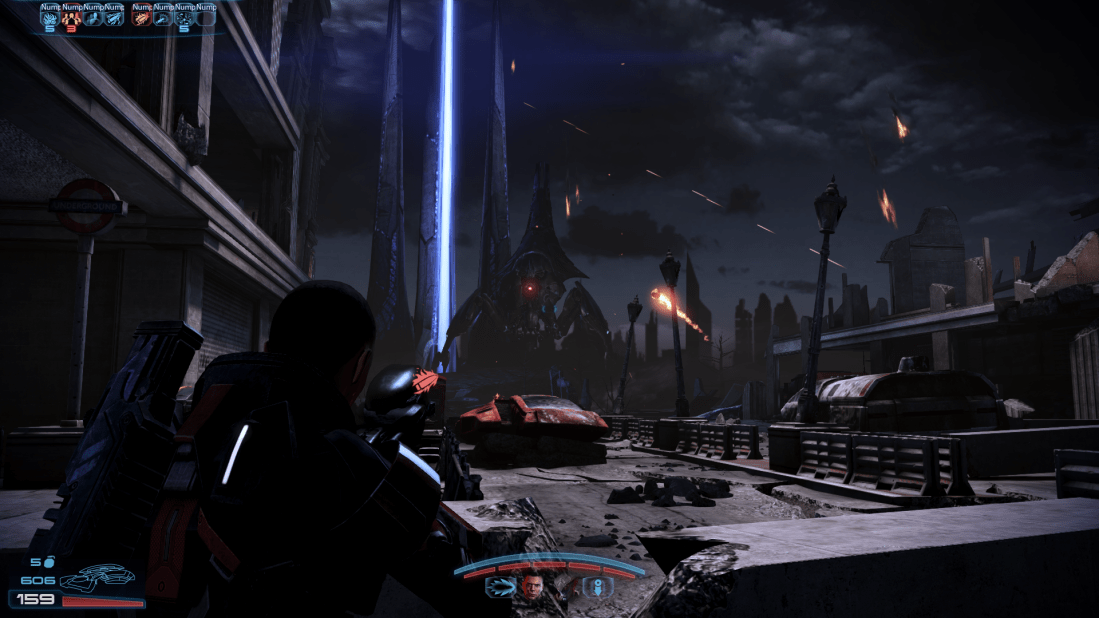
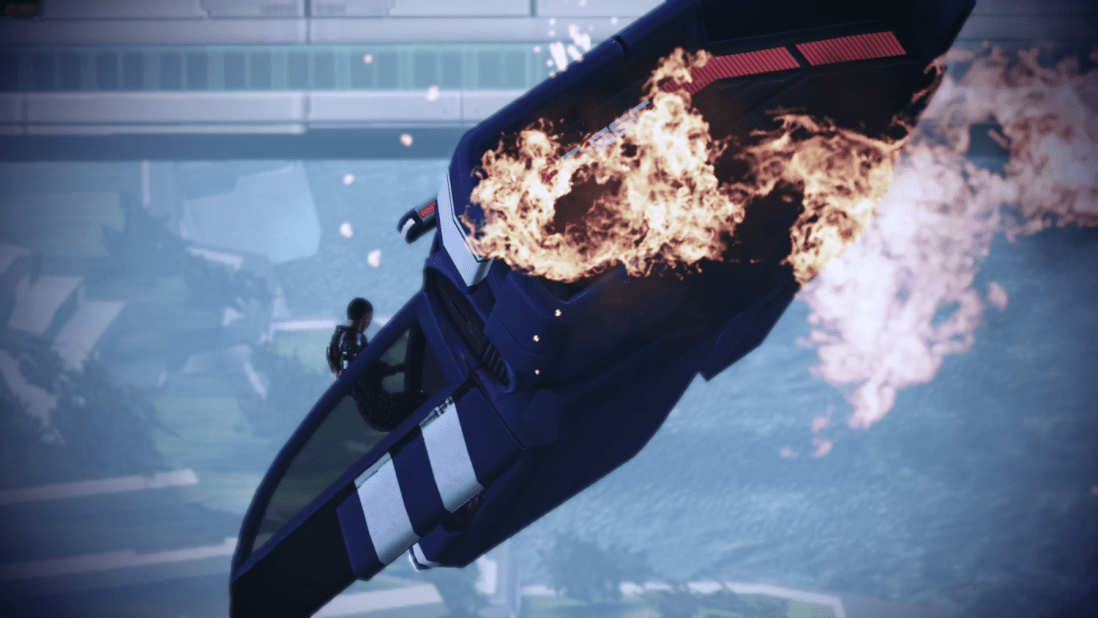
As Harbinger blows everything sky high, I say a goodbye to James – no cutscenes, no romance but the goodbye is still affecting. Both he and Javik survive (also, how come the Normandy doesn’t get involved earlier? You’d expect it to swoop down Millennium Falcon style and take out Harbinger while Joker tells me the blow this thing so we can all go home) and we’re zapped into the citadel. For various reasons, I don’t have paragon or renegade options during the Shep-Anderson-TIM showdown so I’m pretty much just along for the ride. I think this sequence (along with the next) coloured most of my previously negative opinion of ME3, and it’s doing so again.
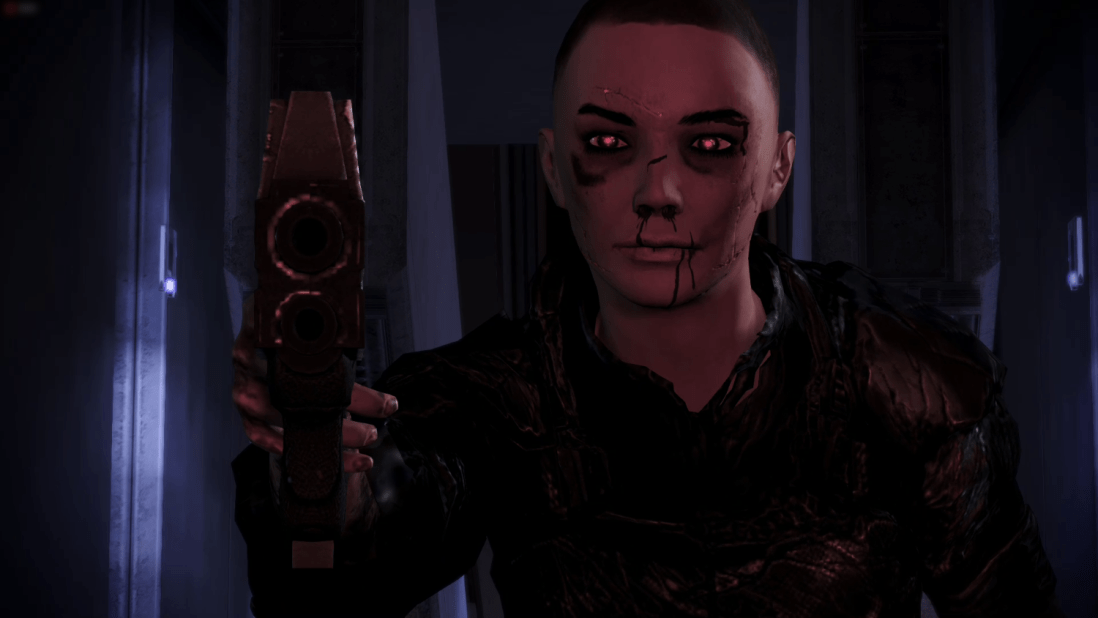
Playing as DGAFShep has really brought this moment into a sharp focus. It’s gutting that TIM wasn’t an actionable alternative to the Alliance – their attitude is as single-minded and unshakable as TIM’s, and that’s what ME3 should have been about, the lesser of two evils; the true horror of war. This moment should have been Shep’s final decision, not the one that’s about to come. ME2 made Cerberus a tempting alternative and then ME3 pulls all that away and turns him into a boo-hiss villain; worse, it’s not even TIM and his ideals because he’s indoctrinated. He should never have been taken over by the Reapers, it should have been both of them trying to sway Shep to their side. Shep just mindlessly kills TIM and comforts Anderson; yes, yes it’s sad he dies, he was a father figure and a supporter but he could have been less than that, and TIM could have been more.
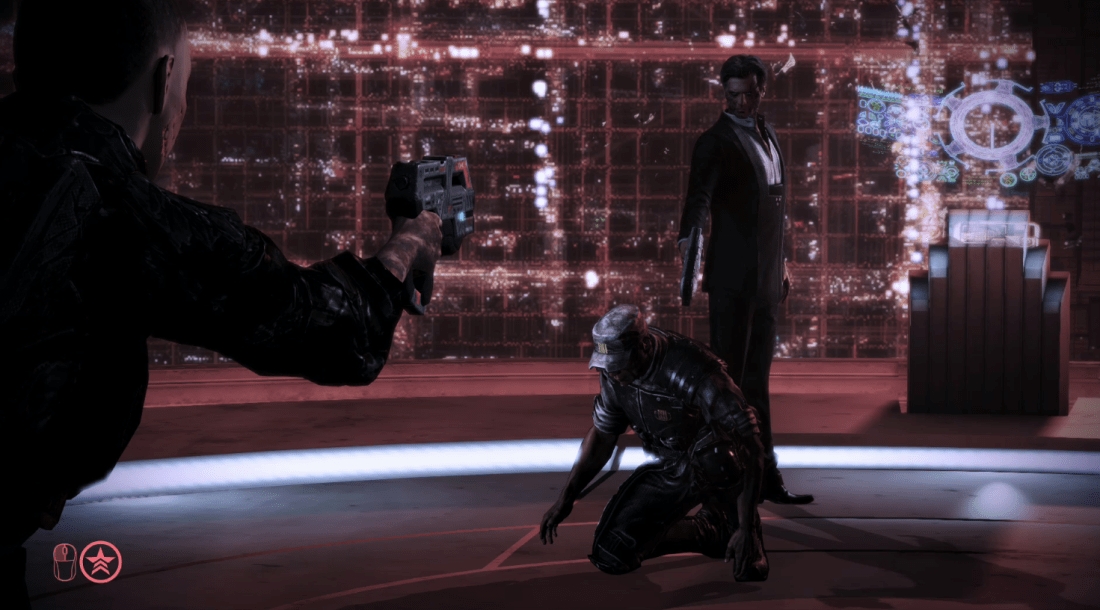
The Catalyst does have a Matrix Architect vibe about him, but it’s still compelling stuff. I like how an AI endlessly judges us, the irony of it killing trillions over and over to protect the universe is huge – on a galactic scale the individual is reduced to less than zero yet it falls to one to make the choice. Step forward DGAFShep. Uhho.
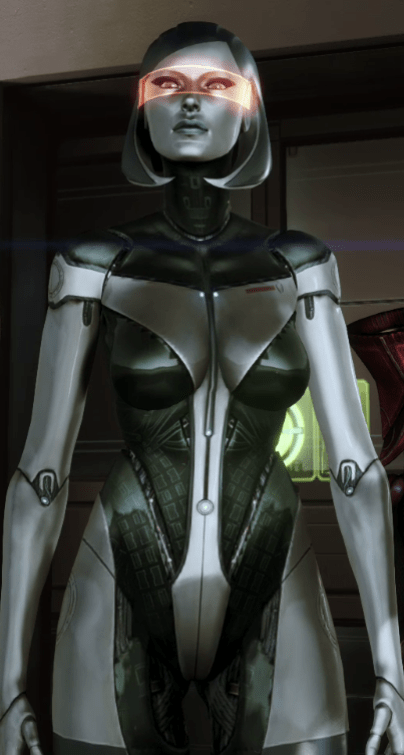
This has always been the real ME killer for me. The entire series is about choice, even if most of them didn’t really matter as it turned out, but this is one choice Shep shouldn’t make. Even Shep says it’s a decision no one person can make and the game should never have let us. Kid Catalyst should assume you are the best of us to reach here, and take Shep’s choices throughout the series to decide what happens next. It would have been truly stunning reaper-what-you-sow moment. Instead, even if you brokered peace between the Geth and Quarians, helped Legion understand humanity, taught EDI how to love, you have to kill them to destroy the Reapers? They’re not the same, the Reapers aren’t sentient, the fact that the Catalyst can’t be reasoned with proves it. Instead we’re supposed to sacrifice ourselves? A Renegade wouldn’t. This ending assumes you’re a selfless hero and yet, if we’ve learnt one thing, it’s that the universe can’t be boiled down to personal choice – there’s too many variables. That’s what ME is supposed to be about. The only way ME3 could work is if your actions speak for you. It’s an infuriating, simplistic cop-out to leave it up to you then make every choice have a downside.

Symbiosis is not what DGAFShep would chose, she wants to survive, and she wouldn’t want to become their consciousness either. That’s a full-time job. Plus, do we want DGAF Reapers? Those endings completely discount all of Shep’s actions, her attitude. Why would you risk a Renegade running the universe? What to do. Then I realise Destroy is also the only one where Kid Catalyst doesn’t imply death. Since DGAFShep only cares about herself, that means…
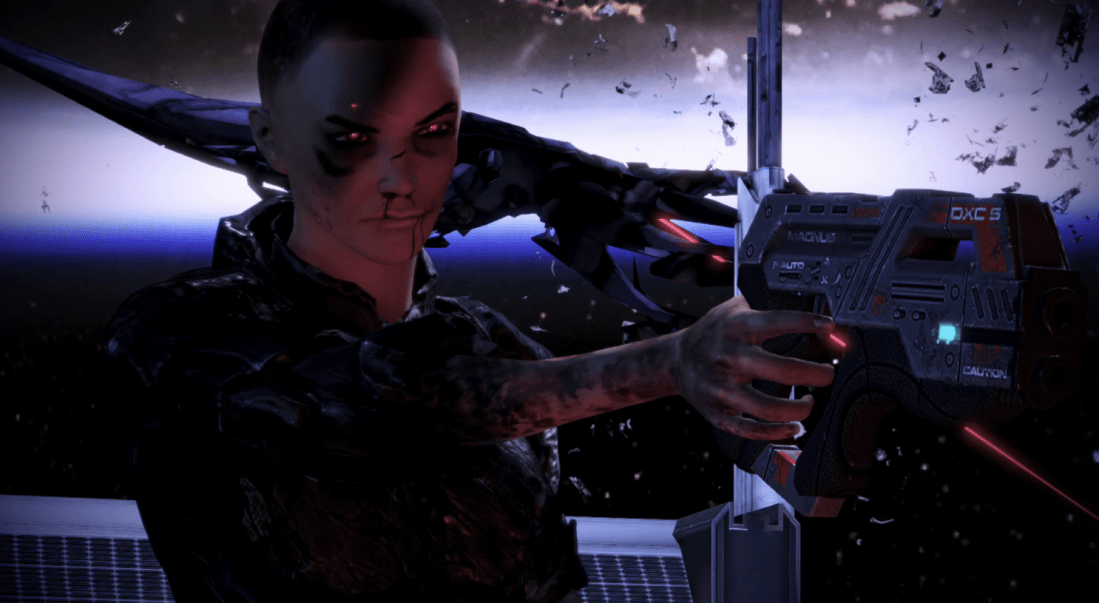
I chose Destroy and along with the Reapers, EDI – although I don’t see a death scene for her, which I kinda did and didn’t want to see, I’m gutted to have killed her. Everyone else survives and I watch Hackett give a surprisingly upbeat voice-over about rebuilding with a promise not to repeat our actions. I doubt it and wonder what will happen when another AI war wages and the Reapers aren’t there to stop it. For the first time really, I get that the Reapers were right and all it took was not caring.
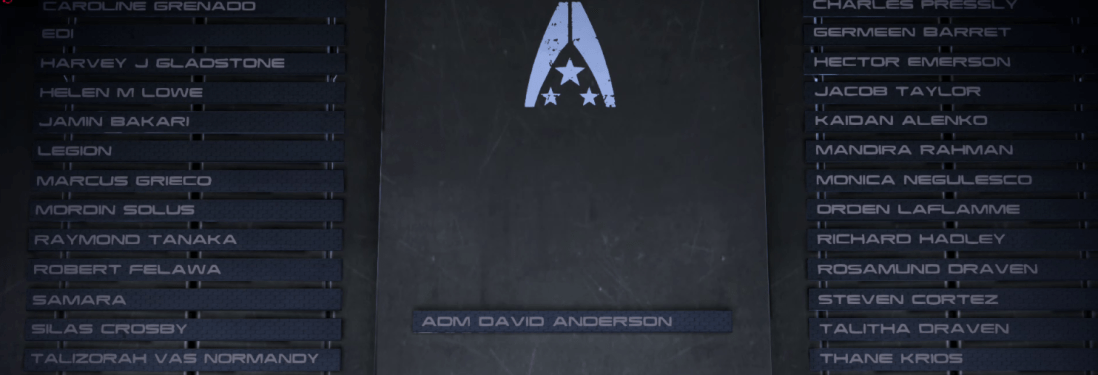
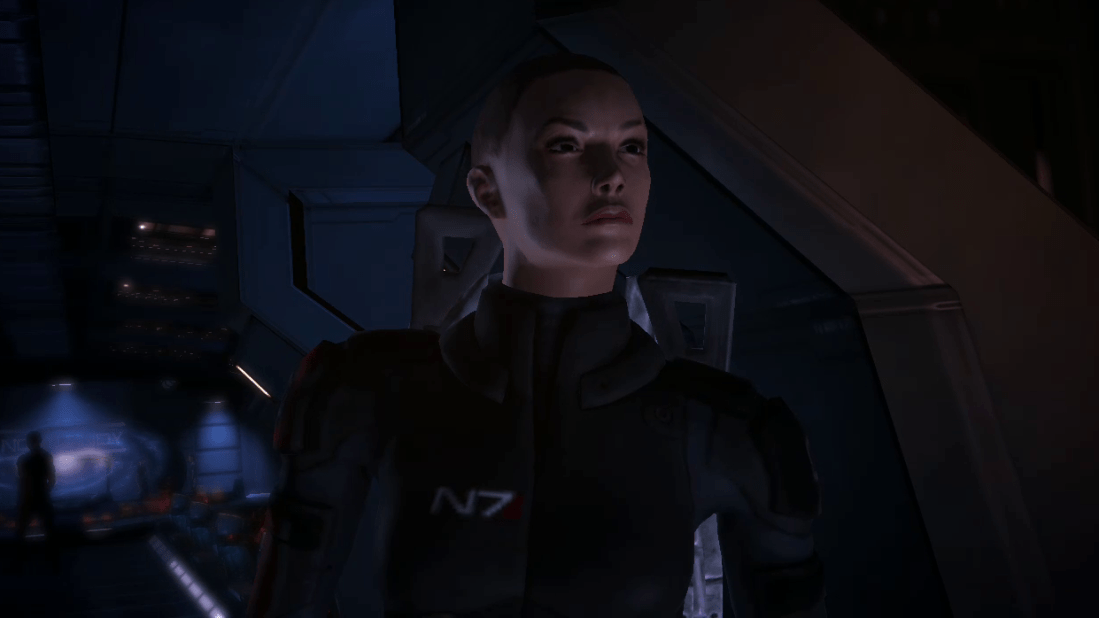
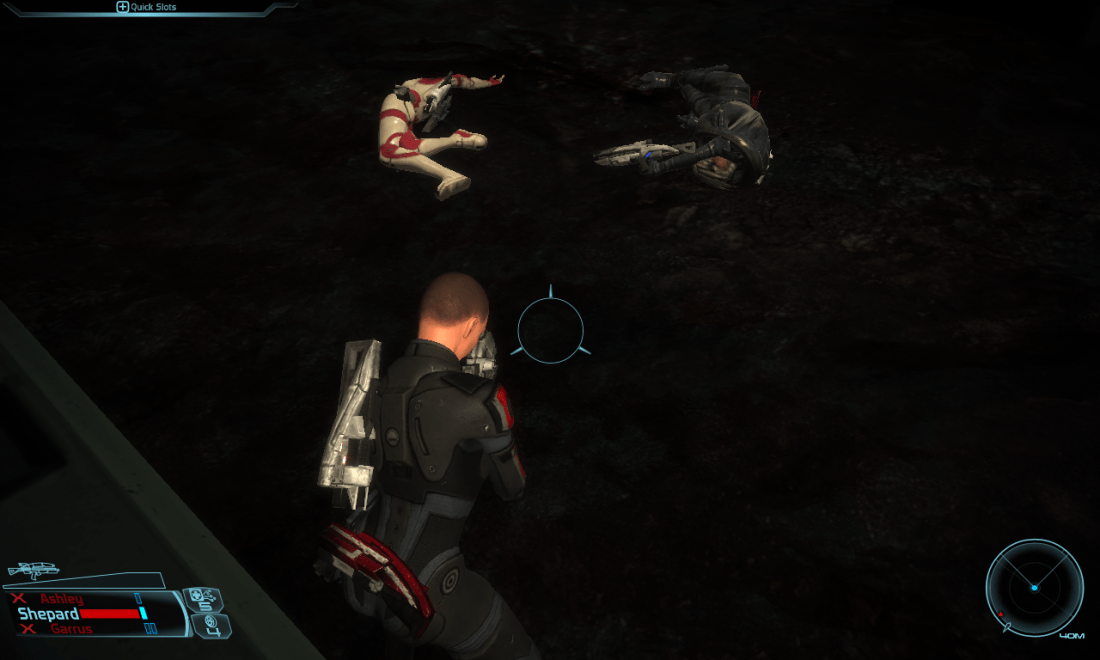
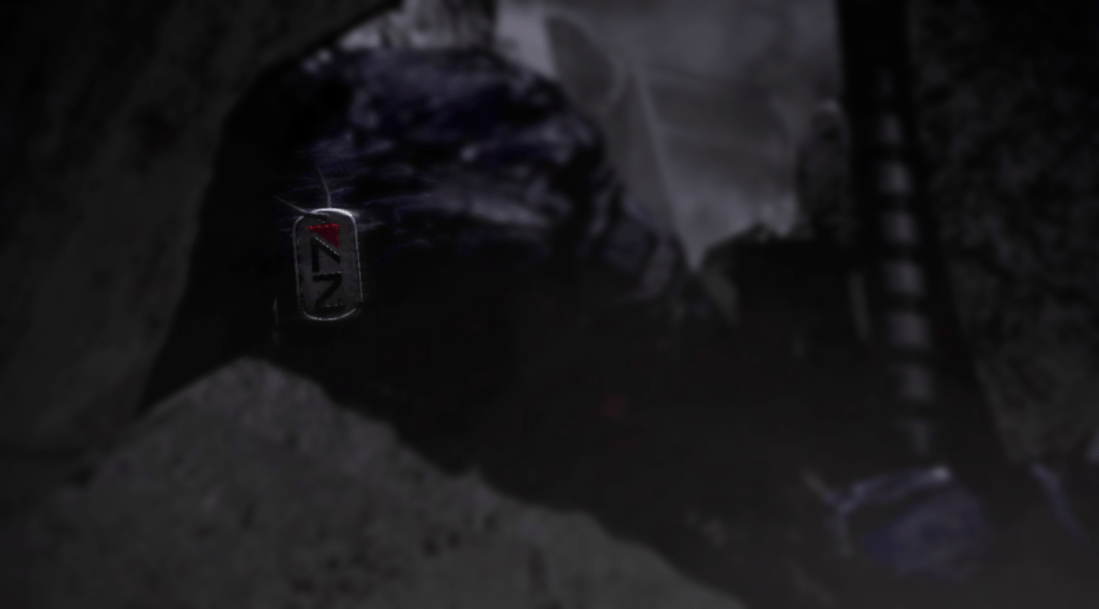
As the Normandy blasts off, we pause at the wall of death. So many names this time – Cortez is on there too, which is saddening. Anyway, Garrus goes to place Sheps name alongside the (large) number of crew casualties – but pauses. What’s that all about? I’m a goddamn DGAF hero! Get my name up there! It’s sobering they chose not to honour her. Yes she shot people in the face, destroyed the Quarians and ignored a crew that constantly laid down its life for her, but she got the job done. Well shit. But then, the shot pans through the rubble of the Crucible to Shep’s N7 tags and … she takes a breath!

Holy shit DGAFShep survived. I had no idea there was even a survival option but I’m pleased. She deserves a beer. She may owe the Asari one too. I guess Garrus paused because he suspected I’d survived. Well why didn’t you rescue me instead of getting my name printed for the dead-board?! You’d better not have the wake at my apartment.
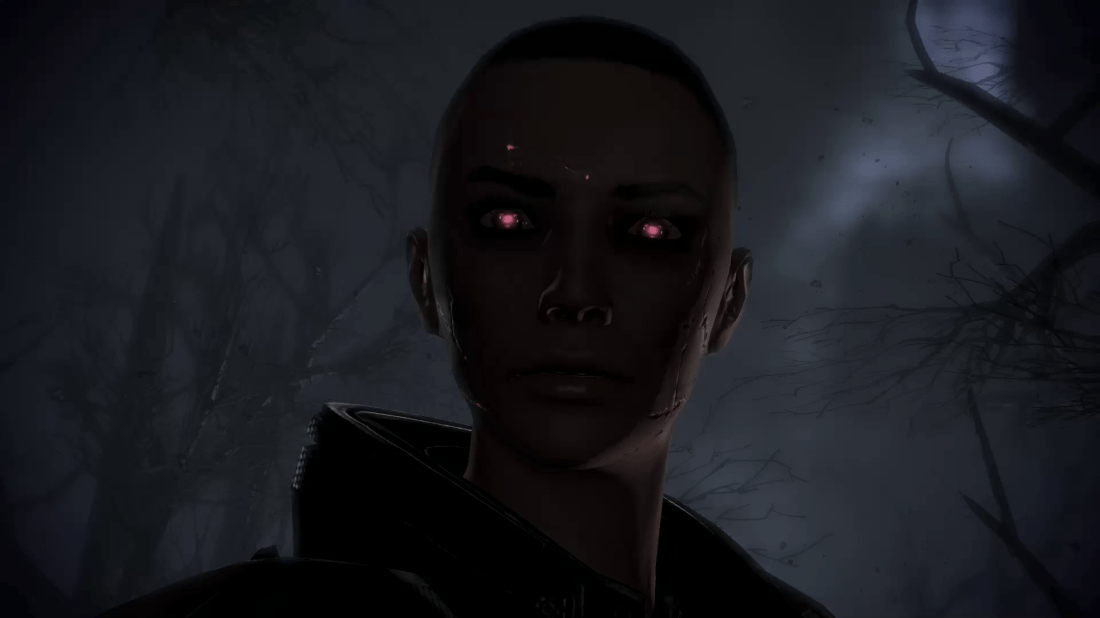
And that was DGAFShep’s playthrough. It was a huge red-eye-opener. ME1 is still a brilliant, pure sci-fi game. One of the greats. ME2 is epic in scale and impact, but arguably, it’s where the rot sets in; if only we could have sided with TIM it would be beyond brilliant. As it is, it’s just brilliant. And ME3 … it had an impossible task bettering ME2’s legacy, but I’m undecided on if it even really tried. Once it settled on the idea that we were saving the galaxy, it relaxed, as if that was enough – it wasn’t; ME was about how Shep would somehow find a way to cure the genophage and still think to check Liara wasn’t upset about something.
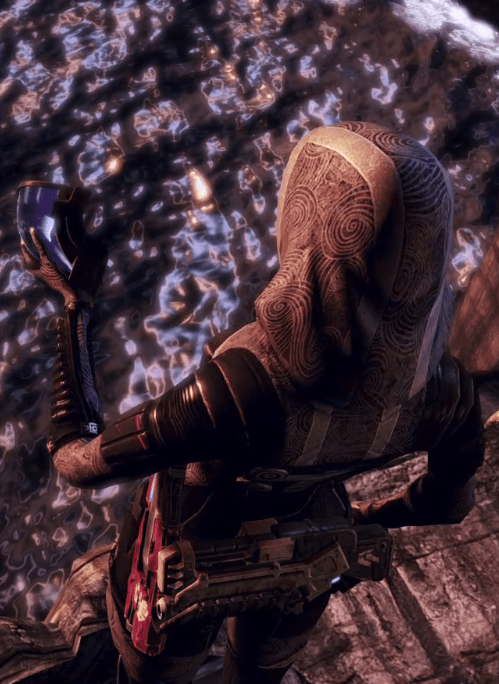
And then there’s the choices we’re tricked into stressing about. Everything we did in ME1 and 2 should count towards how easy Shep’s mission is in ME3 – the only reason to send Shep on her fundraiser is because she has history and sway with everyone. Past interactions should be their first reaction to her requests, not ‘go do this chore and we’ll give you troops’. Some don’t even make sense – why cure the genophage to get Krogan on Palavan so the Turians can bolster earth? Just ask the Krogan to help earth. And what the hell did TIM do with the Human Reaper? It’s easy to argue the sheer number of interactions, dialogue choices and Asari to shoot would make the final stages impossible to pull together but really, that’s as bigger lie as Garrus claiming to the best shot on the Citadel. A few more dialogue choices, some additional side missions and a few alternative cutscenes and it would have all pulled together. Other series’ have managed branching storylines and impacts but ME3 just doesn’t want to be bothered – it’s as DGAF as Shep was, and you often see little nips and tucks, shortcuts and reskins. It’s a good try though, and at least we have the Citadel, which is the best afterparty ever. The only thing that could have made that DLC better is if Conrad turned up.
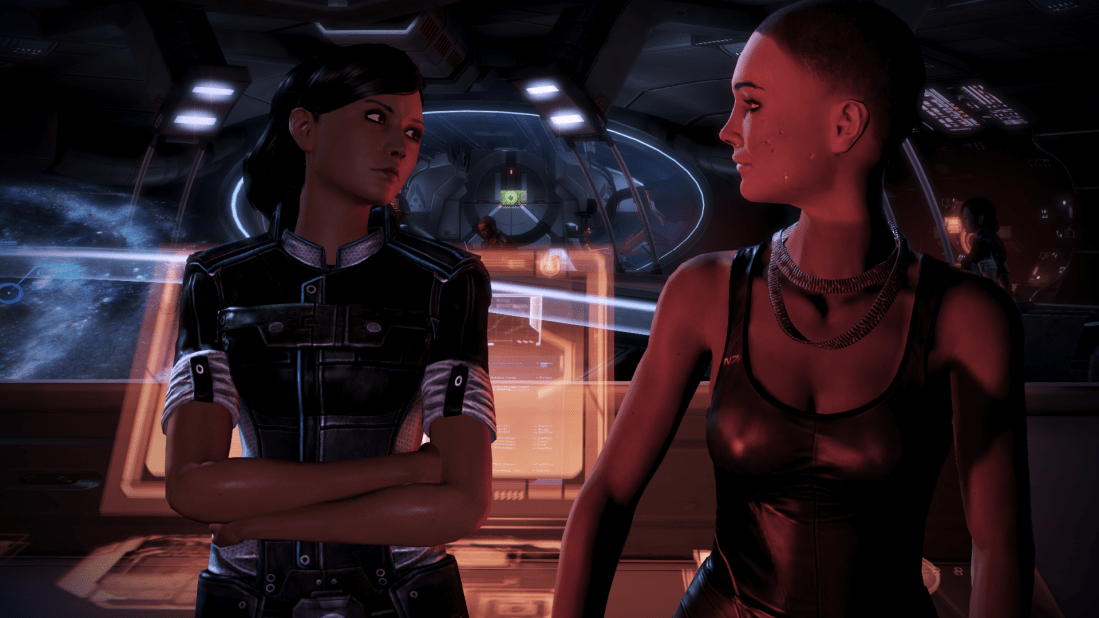
Despite all the hardships (mostly around not sleeping with crew mates; I’m amazed I resisted Trainor, no idea how I kept her out of my shower) playing as DGAFShep really refreshed a series I’ve played about as many times as the Reapers visited. I thought I knew it but I don’t – and when I consider all the fantastic moments, intimacies and friendships DGAFShep missed (and I discovered this time) I wonder what else there is to discover; this was just one playthrough, there’s hundreds more – TheMorty talks about his experiences as if we played different games, and he had no idea about some of the impacts and issues I faced – Mass Effect is a series that can be played forever.

There is a galaxy out there and no matter your disposition, it’s great saving it.
Mass Effect 2007 | Mass Effect 2 2009 | Mass Effect 3 2011

platforms; Win/Origin, PS3, X360

Mass Effect playthrough – Pt2

a second wind special

Part two of FBT’s Mass Effect playthrough sees DGAFShep thin out her team and gets angry playing hide and seek with a kid in a forest instead of stopping the Reapers.

So far, despite not caring in the slightest, DGAFShep has stopped Sovereign and is about to stop the Collectors.

Here we go – Goddamnit I need to do a side mission to trigger the IFF. Begrudgingly I do Miranda’s loyalty mission, as she’ll make a good consigliere for my gang and looks better in the black outfit – but I force her to kill that guy and cut her sister out of her life; once you join The Red Sheps, you join for life.

With less than half the team loyal, I know this will be a blood bath. I’d upgraded the Normandy (self-preservation) but expected someone to get offed on the approach. All present and correct. As we head into the base, it’s as tense as my first playthrough – it really is a suicide mission. Ironically, not doing the loyalty missions has distracted me as much as they are; I want to work out how to make everyone survive but DGAFShep wouldn’t care so I pick who I think is best suited and hope for the best. As we cut through the Collectors, I’m on edge – each cutscene is fraught as I watch to see who falls.

It’s not until the seeker level that the team starts to fracture. As my consigliere, Miranda was constantly in charge of the fire team so I didn’t have a loyal biotic. Jack did her best but eventually dropped her shield and … Thane didn’t make it, swept away as we reached the door. One down, loads to go. I always felt ME2 was overstuffed with squad-mates anyway … Not bothered. Don’t care. Sniff. I didn’t even let him connect with his son. I’m a monster.

This is it. The final push. I chose Samara and Jacob, while Grunt takes the crew to safety – I’d default saved them by immediately going to the base. The biotics take care of the collectors and I take out the giant Terminator. TIM pops up to plead for the Collector base. I’ve always destroyed it and earned his wrath, but this time I think he’s right; let those deaths count for something … okay, the base is yours. Anything to get DGAFShep out of this.

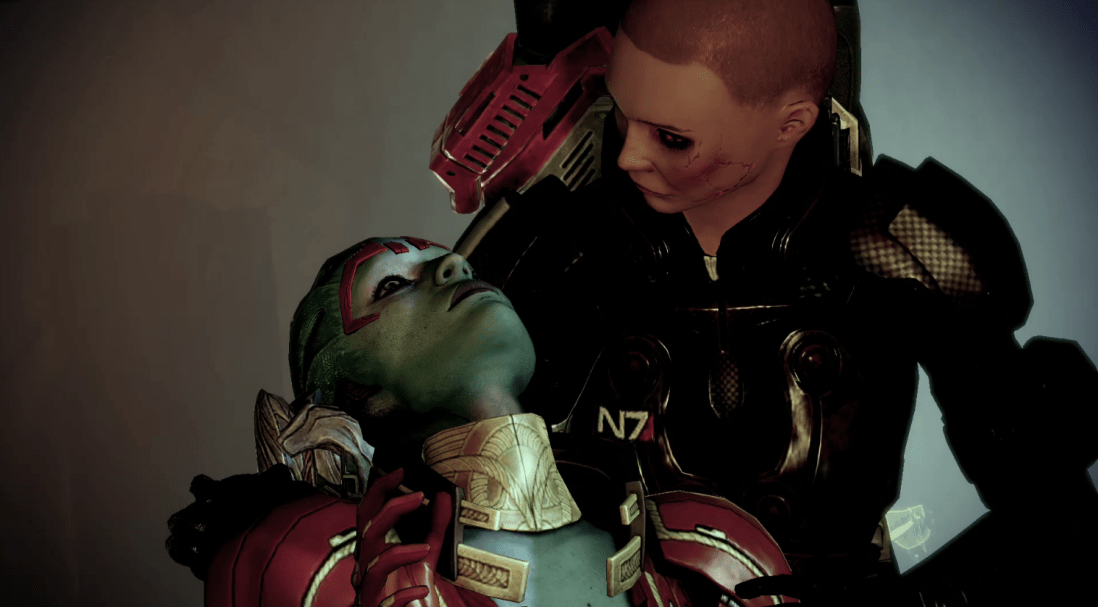
The base falls apart and Jacob goes sliding off the edge of the platform and … I catch him! I expected him to fall but no. Wow. Maybe it’s not going to be as harsh as I – Oh. In the aftermath I find Jacob’s body. Poor Jacob; he was a character I always struggled with. A committed soldier throwing in with Cerberus, it seemed as if he was supposed to be a friendly face versus the ultra-loyal Miranda, but it never quite gelled; he always seemed too straight-laced to defect; he was deluded if anything, so I never saw him as a Shep-lite. As I help up Samara, I figure one out of two isn’t so – Samara dies in my arms. I should go. As I escape, I ask for an update and … Mordin didn’t make it either. Harsh, but not as bad as I expected. Okay, I lost a third of the team but DGAFShep did what she set out to do, and made TIM very happy. I wonder if there’s a romance option with TIM in ME3?

I have mixed feelings about ME2 now. It started well, but TIM-related Renegade options are for rebelling against him rather than aligning and that makes them Paragon from an Alliance perspective, while Paragon options just have her forgiving rather than siding with him. A renegade should fall in with Cerberus, become what Ash alluded to. Instead, they just part on wary terms; TIM should want Shep to stick around and Shep knows nothing’s changed with the Council; why give up when things are just getting started? It’s fine if Shep is a girl-scout at the end of the day, but ME1 had a lot of grey areas – If she’s a linear hero then really, Renegade and Paragon are just cosmetic choices and TIM’s sermons hollow. Choosing Cerberus could still mean reaching the end goal – stop the Reapers, and being a Spectre allows Shep to take whatever route she sees fit, not try to earn Anderson’s approval.

DGAFShep in ME2 wasn’t really evil enough to warrant the glowing eyes either; even the people she kills deserved it. Her Renegade interrupts are more DGAF than ‘you die now’ – One time, I get a renegade option to shoot a mech. Wow. Instead of visiting my favourite store on the citadel I just bully the owners into a discount. Shep’s just indifferent; I didn’t stop that kid while taking down Archangel (Garrus shot him not me) and I let that high-as-a-kite Volus get killed.

ME2 assumes I care and want to help squadmates gain closure. Yes you can mess their missions up but that’s not Renegade, it’s just petty. Surely Renegade is a dangerous option, not just a bit stroppy. Shep’s refusal to interact does impact the characters though; Jack and Miranda never get into it and neither do Tali and Legion.

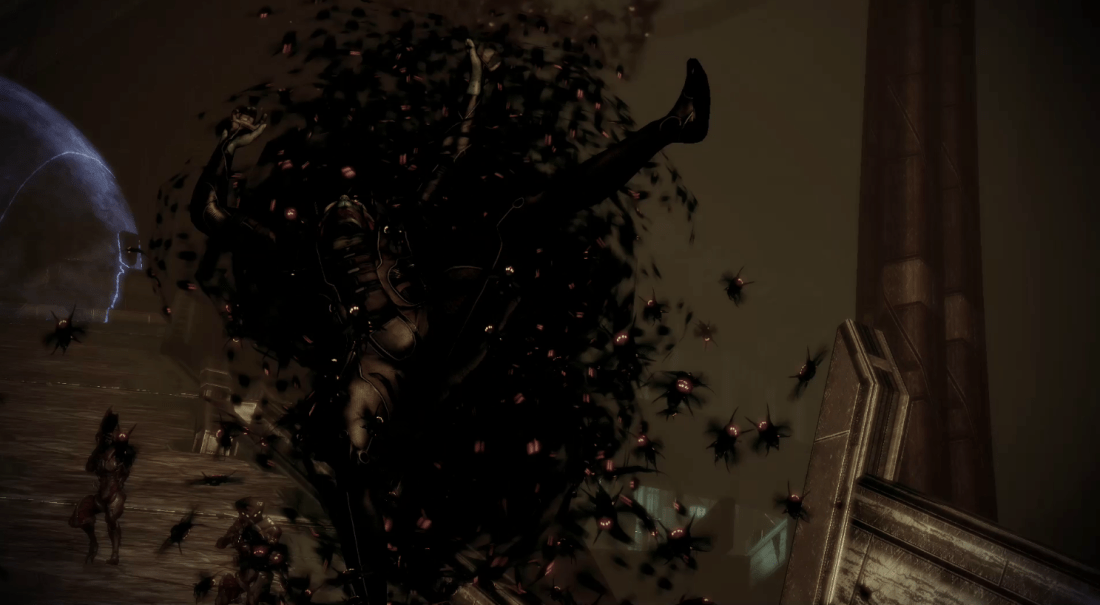
Focusing purely on the main mission, I more readily noticed that ME2 lacked a clear villain. TIM isn’t revealed as such and the Collectors aren’t really doing much for most of the game – a human reaper is terrifying but rather than just a larva I’d have loved to see that thing blast out the Omega 4 relay and attack like Sovereign did, or speak up – The Reaper is people; it might have an interesting take on things given Harbinger was just a disembodied voice.

The biggest let down though is the lack of impact from ME1 moments. I got stopped by an ex-ExoGeni employee to tell me how well the colony is doing (Colony of one with no water or food you mean?) and that’s it, other than a few ‘remember me?’ moments. Also, I find it hard to believe the Alliance would still trust Shep. I sided with avowed terrorists and Saren would be proud of how I abused my Spectre status yet Hackett still sends Shep to sensitive bases full of stuff Cerberus would kill for. I would have loved to see the ME story branch out – Miranda gives you Cerberus tasks instead, exploring their goals and ideals, let you to decide if TIM maybe has the right idea – or at least a more effective end-game than the Council’s ignore it until it goes away.

Oddly then, I’m really looking toward Mass Effect 3 to pull it all together. For all its faults, ME3 relied heavily on ME2 actions – what about Thane stopping TIM’s prancing emo sidekick? What will happen in the Asari monastery with no Justicar? Who’s going to cure the genophage? And Jacob? Erm … I’ll get Miranda to hook up his girl with iPartner Connections. I also realise DGAFShep has made things more difficult – I missed Arrival, and Liara never became the Shadow Broker (why would I ask her about her personal problems?) Also, David is still trapped in the Geth AI machine somewhere – and it’s a testament to that mission’s moving story that I genuinely feel bad about it. It all has an impact in ME3, not to mention I left Reaper tech intact for TIM to sift through; that’s new and now he owes me one, surely? Coming for you, TIM. I mean the Reapers, I’m coming for you, Reapers.

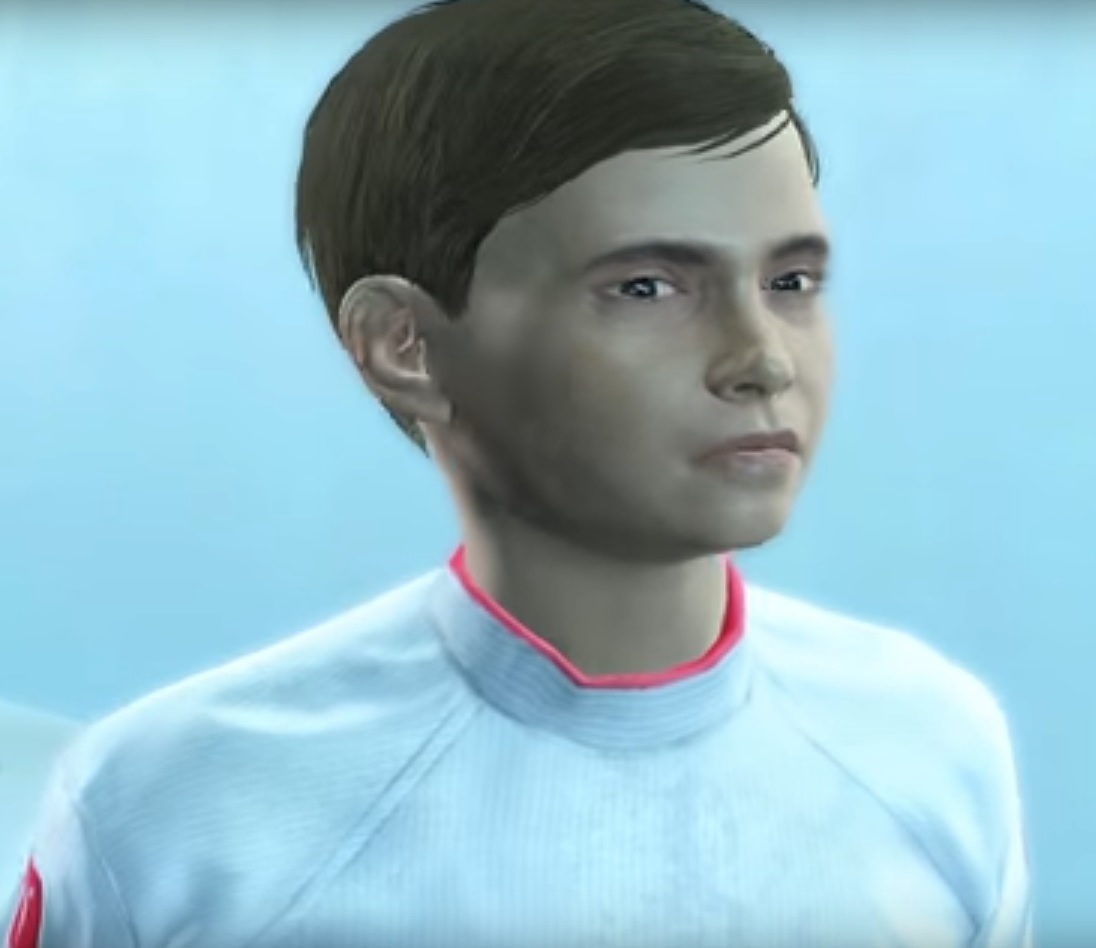
I’d forgotten about Mass Effect 3’s cherubic, innocent child that gets offed then haunts Shep’s 80’s music video dreams. A wise man (TheMorty) once said that the role would have been better filled by whichever character you let die on Virmire and that made sense. There’s millions Shep can’t save, but Kaidan represents what she sacrificed and to have her guilt actually explored with a familiar face instead of chasing a brat around a forest would have been more interesting and tied it all in. But ME3 is less about tying in, it’s about tiding up.

Anderson pulls us from jail to speak to Earth defences, and just as I start thinking ‘why would they want to see a renegade terrorist traitor’ Anderson bellows “I don’t know why they want to see you after all the shit you did!” Oh. Finally, an impact. Sort of. As I tell the earth council they’re idiots for not listening to me two games ago, the Reapers attack. We leave earth and Anderson expects us to get help. You thought that through Dave?

Hey, TIM! Hows it going, you mounted that Reaper head in your office? Remember the time you and I – wait, why are we villains to Cerberus now? Shep’s done nothing but make him proud. It’s the first flag that ME3 doesn’t care so much about your choices as it does keeping to its own narrative. Even if TIM’s indoctrinated by this stage, the Reapers would be desperate to do the same to Shep. Hero of the Citadel as a Reaper spy? Regardless, there’s no reason why ME3 couldn’t have split into two plots, Cerberus and their Reaper-control plan vs Alliance’s destruction – ME3 should be a constant emotional battle for Shep; she wants to save the universe, but it’s going to cost. Going free-agent and having Cerberus missions as well as Alliance could have created entirely new experiences; the foxy Eva instead of EDI for one. Switch allegiances back and forth as you gather forces before committing to one side’s solution. Skyrim did it. But not Mass Effect; a game renowned for it’s choices and impacts. TIM hates me for no reason other than the plot demands it and we blindly support the council who caused this mess. But I shouldn’t be disappointed in the linear story – not when I have choices to be disappointed by.

It would be great to see one seemingly small ME1 event having huge impact, but ME3 doesn’t really have time for that. The war has levelled everything, and nothing except stopping the Reapers really matters – I guess that works for DGAFShep, she’d ignore the repercussions anyway, but it would have been nice to see the actions Shep set in motion become sizable barriers or shortcuts now. Least we still have the old gang, right?

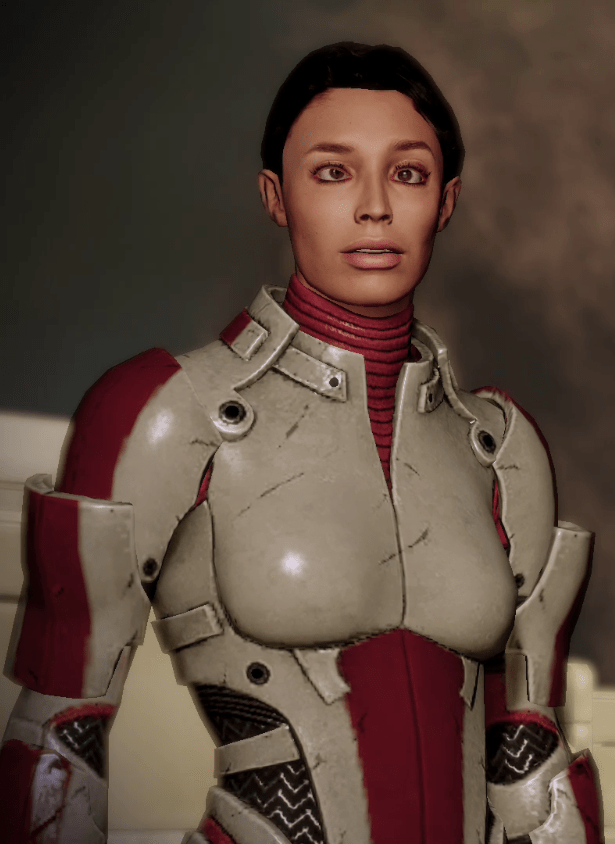
I accept most of the ME2 Dirty Dozen have moved on but Miranda? This will not stand. She was a Cerberus loyalist and we followed the Cerberus party line to the end. There’s zero reason why Miranda would go on the run in this playthrough. Imagine Miranda in the Kai Leng role, hunting us down. Whoa. The game is quick to replace dead characters with clones, there’s no reason Miranda couldn’t have been the one to try and stop us. It would have been amazing!

First off, Kai is a terrible villain. He fails in every encounter until he has a gunship behind him; you wonder what TIM sees in him. He usually gets beaten by a bedridden lizard who can’t breathe – He even got shot by Anderson once; well, twice. Miranda as the antagonist would be a viable threat; she knows us – inside and out, literally. It would turn ME3 into something much more wrenching and intimate to see them go at it, tied into choices with her loyalty mission. Given the unending adulation the rest of the team doles out, can’t just one of them not fall in line? The only time I seem to really piss off the crew is during the Leviathan DLC; I force the daughter to maintain her connection even though James warns me I’m killing her. Afterwards he stroppily marches off grumbling I went too far (and it’s implied she died later, whoops). Aside from that, I can’t bolt around the Citadel let alone the Normandy without some squad member wanting to reminisce about stuff we didn’t do and make deep, meaningful observations. Except Ash.

One of my favourite moments in ME2 is Ash rocking up just to tell us to piss off. I loved that Ash was angry Shep fell in with Cerberus – she was right to be. Ash was pro-human until Shep influenced her (DGAFShep didn’t but still) and in ME3 it’s awkward – Ash says ‘I used to’ when asked if she knew the commander; the tension continues and DGAFShep’s STFU responses don’t placate her (and I don’t visit her in hospital either). We’ve seen Ash grow; she was full of self-doubt in ME1, found herself in ME2 and in ME3 it’s like we’re equals; and DGAFShep has done nothing to convince Ash she’s still the skipper – but I’m getting trigger-happy-ahead of myself; Shep’s barely warmed up.

The renegade options do make Shep see red again, but rather than murdering people, DGAFShep’s rants are just taken as inspiring honesty; I don’t think rousing a squad of Turians with tough talk really deserves glowing eyes. There’s one flash of genius where we go round two with al-Jilani, who ducks a punch so Shep headbutts her. Nice. I have that General on the Citadel assassinated to save running about and as I issue the kill order, he thanks me for helping him see sense back in Cora’s Den. I never spoke to him before. People just can’t stop crediting Shep for stuff she didn’t do. Maybe I have a clone running about somewhere.

As I accept that my previous actions don’t really count in ME3, I concentrate on uniting the universe – and realise that means doing everything since it all relates to the war effort. Still, with the straight-arrow mindset and avoiding small talk, ME3 accelerates as fast as ME1 did; I hadn’t really noticed it before but everything has a dangerous or desperate feel to it. The losses, the determination, it really starts to grip when you’re not scanning for a Volus’ missing laundry; DGAFShep’s ‘get the job done’ attitude works so well – there’s fricking Reapers landing Joker, haven’t got time to groom EDI for you.

The fights are gritty stuff. When the shuttle door opens and we’re dropped into the LZ Shep is agile and responsive while the squad-mates follow my lead even more effectively than in ME2. It’s a tight shooter when considering the size of the missions which all have great, epic moments and explosions. Shep is a hero no matter how DGAF she tries to be. The various Reaper and Cerberus forces are a challenge; it’s a fast, focused game and in the heat of battle I lean towards thinking ME3 might be my favourite. Then it does something to really annoy me.

Because I didn’t do Mordin’s loyalty mission, it could be assumed Maelon completed his cure. But no. He failed and new guy Wiks took over the project. So we go through the same plot with a reskinned Mordin. Although I feel cheated it just reworks his story to hit the same beats, I’m asking too much of ME3 – it would be a shock to not be able to unite the Krogan but really, that’s a dead-end story-wise and would only have worked if it had been set up in ME2 – If I knew Mordin had the cure and still let him die, then I would expect repercussions but it makes sense someone else would try. I would have liked to see it be Maelon and all the conflicts that would bring but Wiks does a good Mordin impression (doesn’t sing though). Despite it being a rework, there is an impact – Eve dies and Rex laments that without her, uniting the Krogan will be hard. Ultimately, the choices of ME2 don’t alter the outcome just how we reach it – there’s still a sense I didn’t have to import my character.

We head off to the ‘so hot they’ll kill you’ Asari monastery. This is where Samara takes care of her other Fatal Attraction daughters, but without her … it’s the same mission; apart from daughter Falere making a snide comment about if we couldn’t protect her mother we can’t save her daughters. Which is … true – once the monastery is destroyed, Shep rightly says she can’t risk letting Falere go free and choses to kill her in the face. She doesn’t even get to turn her back like the other Asari I shot. Jeez DGAFShep hates Asari’s – she let Samara’s killer daughter go, let Samara die then after one daughter dies at the hands of a Banshee, I shot the last one. I couldn’t have failed Samara any harder if I tried. Annoyingly though, Liara does nothing. You’d think she would plead Falere’s case; being the Shadow Broker’s changed you. Wait, what?

I check I’ve not accidentally imported DoGAFShep. How in the hell did Liara pull that off without my help? Liara explains it with ‘oh I just tracked him down and took over so I’m now an inter-galactic secrets trader’. Liara has a bigger character change than Billy in Beverley Hills Cop 2. It’s makes no sense, feels wrong for Liara and really draws attention to ME3’s unshakeable story. It’s not like her being the SB really has an impact anyway. Also, she still comes in for a hug – DGAFShep is not a hugger.

Missing Jacob seems to have no impact at all; we still save the Cerberus traitors and a scientist takes his role. I do briefly meet the doctor who was forcing his autistic brother to drive an AI machine but since DGAFShep never met him I don’t get a Renegade option. He only mentions a project that went badly wrong and how Cerberus was forced to nuke an entire planet to contain it. Sorry David. Shame he didn’t reappear HAL2000-style, or as the king of the Geth. Real shame.

I was excited to see how the game handled Thane’s death though. I shouldn’t have been. The only real impact is Kai manages to kill the councillor; Captain Kirrahe would have taken Thane’s role but I killed him too so no chance for the counsellor. Oh wait, an ME1 impact! Talking of which, what about Udina? And Ash …

Like a Renegade interrupt, we’ll pause here. Read the third and final part of FBT’s DGAF playthrough to see if Ash and Shep patch up their differences …

or if one of them is patching up bullet-holes.

Mass Effect playthrough – Pt1

A SECOND WIND special

In a special 3-part playthrough, FBT takes on an unconventional approach to the classic sci-fi series; FBTShep is Bi-Paragon and Renegade-curious

I’ve played the Mass Effect trilogy more times than I can remember. But never as a Renegade; all my Sheps have been good Sheps. Not intentionally, but the unfolding of a galaxy-wide threat drew you in as you grew into the role of saviour – playing any Renegade options just seemed a dick move. About the only renegade thing I do is dump Ash for Miranda and be rude to Udina. Thing is, even Renegade Shep wants to save the universe, but what if Shep didn’t actually give a shit? If they were good or evil, just indifferent? If the series is all about choice, how easy would it be to save the world if the only person for the job threw a sickie?

I was also curious about how the Reaper invasion would play without any distractions, romances or side-missions. Should Shep really be wasting time chatting to adoring fans, trying to bed the crew and doing personal admin while Reapers are decimating the universe? A large part of Mass Effect is the experiences, the moments, the family feel that comes from Shep’s George Bailey impression. What happens if the universe is in the hands of a DGAFShep?

I decided a few rules – I know how this story plays out, but DGAFShep doesn’t, so;

  • unless it’s described as Reaper-related Shep isn’t interested

  • I use Renegade options if a situation threatens the mission otherwise it plays out as neutral.

  • I use Paragon if it gets Shep what they need to progress – otherwise neutral.

  • no conversations, side missions or loyalty quests

  • no romances.

  • DGAFShep isn’t renegade/paragon, they just wants to get this done and crack a beer.

  • I should go.

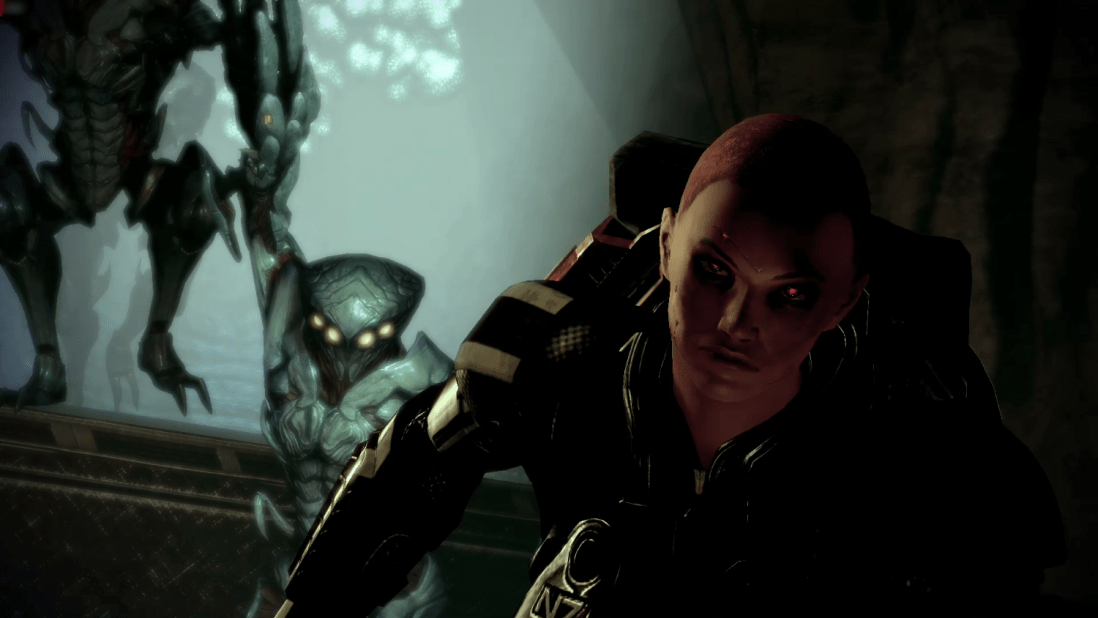
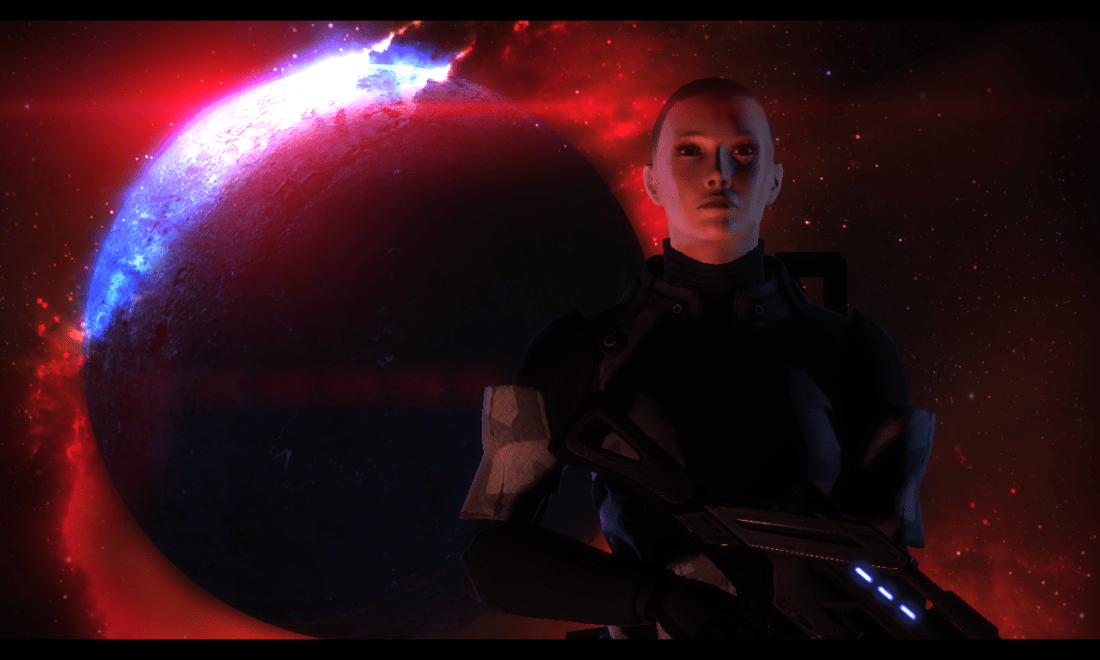
Mass Effect 1. DGAFShep is an Earth-born orphan who ran a street gang before joining the Alliance to escape. I chose femShep to avoid the Ash v Miranda trap again (just have to resist Trainor). Anderson describes me as a soldier who gets the job done no matter the consequences – in reality I don’t care, but a bad rap helps cut to the chase. I even adopt a skinhead look, just to appear meaner. Don’t mess with DGAFShep.

It’s been a few years but ME1 has held up really well. Now a decade old, it’s basic but a detailed, convincing future. And being rude in the future is easier than I thought. There’s some good cut-the-bullshit lines, and it’s fun to not put up with Joker’s shenanigans. Mostly though Shep just holds everyone to an impossibly high standard; she has no time for the crews concerns and is pissy with an unarmed dock worker who smartly ducked a fight between Spectres. I also feel a bit lonely; I miss chatting with the excitable Tali, reassuring Liara and breaking down Garrus’ cynicism. One thing I hadn’t counted on; is DGAFShep pro-human? Paragon Shep put human interests aside in favour of the galaxy, whereas the Renegade options turn her into UkipShep. That’s not DGAFShep, she just wants out, so I take John Lennon’s approach – ‘I don’t believe in Beatles, I just believe in me’. Didn’t imagine her as a Beatles fan.

If missing the gossip speeds up Shep’s progress, avoiding the side missions and searches has turned ME1 into a speed-run. Suddenly it’s all about the Reaper threat and I quickly stop pining for missed missions and moments; this is intense. Events like Virmire come up so much quicker when I’m not spending hours staring at the Mako’s arse, while avoiding chat and side-missions makes stuff like Noveria race by – I develop a sense of urgency that wasn’t there when I was off looking for that Admiral’s team then figuring out where he’d gone too. Finally, Shep’s “I should go” sounds right; I should. When I make my stop at Feros I drive right past the ExoGeni group and just drop off the daughter and depart. I only picked her up because it’s scripted, otherwise I’d have left her to the Varren; Shep’s not bad, she just DGAF. But when Shep is bad, she’s very very bad.

Killing the Rachni Queen was harsh. I coincidentally took Rex and he made a compelling case for wiping it out so I had to go through with my first truly DGAF choice. She was a possible risk, so I gassed the bug. The Thorian Asari tries to convince Shep she’s as changed on the inside as the outside by turning her back and kneeling, letting Shep decide. Seems like proof enough to me that she’s innoc – Shep just executed her! Holy shit. In the back of the head, while kneeling. She was a danger hence following Renegade but I thought we’d arrest her, not blow her head off.

Only one Feros colonist survived and I don’t fancy their chances since I didn’t do any of the side-missions there. On Virmire Shep shoots another Asari in the back as she runs off. No wonder Liara always looks worried. Sometimes it wasn’t even my fault; it was a complete coincidence I took Rex on the Fist mission, forgetting he was contracted to kill him. Rex is clearly a bad influence.

Playing as a complete git wasn’t my intention, but quickly I’m consumed by the chase – anything that might distract from stopping Saren gets put down quick. I barrel through speech options, don’t get emotionally involved and it becomes much easier to make the tough calls. I don’t even know why but at Peak 15 the security guards turn on me. Obviously I said or did something I shouldn’t but that never happened before, and it doesn’t bother me; they’re between me and my goal of leaving work on time. I’m unstoppable, and this new-found personality really comes into focus on Virmire; I expect to put Rex down – I never spoke to him so not like we’d built a bond and I don’t have time for his tantrum so use Renegade options, but after some home-truths he backs down; it’s brilliant. I don’t even have the option to talk Saren around, we just insult each other. Oddly though, Captain Kirrahe died? Not sure how I contributed to that; I sent a team member with him as always. It’s interesting how those subtle changes to Shep’s approach have larger impacts. I picked Kaidan to die simply because Ash was guarding the bomb (convenient). This play style also has an impact on me; I’m nowhere near the usual XP levels so we’re getting through a lot of medigel and I don’t have the cash to buy the high-powered weaponry. Not caring takes a lot of work.

While I get into Shep’s Dirty Harry-style approach and the new-found urgency, what is disappointing is how everyone just takes the rudeness on the chin. Shep criticises Ash for losing her team on Eden – where Shep herself just lost a squad-mate – but I’m still the best commander ever, and I tell Liara her psychic link is a waste of time but she does it anyway. Anderson just nods sagely at my extremism (tellingly, Udina is the only one to call me on my bullshit). They just don’t get shirty or in my face – I was expecting more backchat, or a questioning of my orders. No time to care what they think though, I’m right on Saren’s tail and so caught up nothing else matters. When we get grounded in the Citadel, I’m actually furious and tear Udina a new one. DGAFShep smirked when Anderson laid him out.

The ending though. I didn’t have the option to convince Saren to kill himself, so I had a fight with him that I’d not had before, and let the council die to concentrate on Sovereign. Not because I dislike the council but if Sovereign goes, I go home. I chose Udina to lead the council because I thought he’d protect me. It was the best/worst choice I’d ever made. He hilariously/terrifyingly turned into The Emperor, raging about how the galaxy will bow before humans and his new council will wage war on the Reapers as we dominate the galaxy. It was great if ominous, and instead of walking off heroically, Shep just stood there giving the best DGAF face I’ve ever seen. It’s beer o’clock.

While I didn’t miss scanning the collectors or spend hours dressing each crew member, it was tough to pass up missions and moments; but it was worth it to discover the backbone of ME1 is a pure thrill-ride that didn’t sag; it became as exciting as the first time I played, and I can’t wait to see how this attitude plays in ME2 – and how DGAFShep treats The Illusive Man (aka TIM).

In ME1 Shep was a borderline psychotic. She wilfully murders people, even when it’s certain they’re no longer a threat. DGAFShep is more dangerous than a Renegade, so I wonder how she’ll fit into TIM’s ranks. He likes things just so. In that mindset, I look for a way to leave Joker to his fate at the start of Mass Effect 2 but I have no choice. I’m not happy about killing myself to save Mass Effect’s Claptrap, but it’s worth it for the medicinal sponge baths I imagine Miranda gives me during my rebirth. As the memories come flooding back, I worry it’s going to be hard work to be indifferent in ME2’s world. Even though I’m now a terrorist.

This whole aspect of ME2 always sat a little uncomfortably for me; Cerberus was extreme in ME1 and it always felt wrong that Shep wouldn’t just return to the Alliance – that the Council refused to accept the invasion, leaving the Reapers as Shep’s personal battle and Cerberus her only option always felt a bit convenient, but this time that won’t be a problem after Udina’s crowning; I’m a war hero, an icon, the council’s champion … right?

Wrong, and that annoyed me. The Reapers have still been suppressed by the council who send us on a dead-end mission to get us out of the way. What? What happened to Udina using the Reapers to exert power? I was hoping to see the Krogan statue changed to Udina, a militaristic council with him as a power-mad dictator and Shep feted as a beacon of human might rather than hope. It feels a bit of cheat, something I never thought I’d say about ME2. It also bugged me that the crew fell in with Cerberus just on Shep’s say-so, especially Joker who’s argument that he joined a despicable terrorist group because they rebuilt the Normandy makes him more DGAF than I am. Thankfully, it works perfectly for DGAFShep too; she only cares if the cheque clears.

Dealing with TIM is strange this time around. Normally I tolerate him with a few put downs, but he actually works for DGAFShep in a way that I never got as Paragon Shep. TIM thinks –or wants me to think– our goals are aligned and that suits DGAFShep. After a while, I become indoctrinated. We both have a goal to reach and the quickest way is a straight line. Even when he sends us into traps, I have to agree with the plan and I start to see the Cerberus light. I’m not pro-human, but his ‘sacrifices must be made’ approach is compelling. When I visit Anderson I defend Cerberus and slap Ash down for her naivety. Later, DGAFShep shares some Fake News posts on Facebook with a fumin’ emoji.

ME2 does look and play as beautifully as it did on release. It’s streamlined yet feels so much bigger. Shame I’m ignoring most of it. Still, I realise what a task DGAFShep has ahead of her; ME2 is where Shep evolves from solider to hero, how is it going to play out if I’m anything but a hero? It’s a lot tougher to keep focused – you gain missions just walking within earshot, you’re constantly pestered by Hackett and Kelly, and Shep’s become a control freak; why in the hell am I piloting the ship around? And scanning the planets? What do I keep EDI and Joker around for? As DGAFShep it’s insanely frustrating and makes no sense the ship’s commander would be doing those chores.

I avoid everything I can; those Krogan will never know if there’s fish on the Citadel, Chakwas never even gets to ask for brandy and the crew continue to eat slop. I can’t resist taking down al-Jilani though – Shep gives the gutter-press harridan an actual bloody beat down. But the biggest issue with not caring is everyone assumes I do – even the game.

While Shep’s Renegade interrupts are occasionally a bit mean, the Renegade dialogue options aren’t anywhere near as spiteful or fatal as ME1; they’re more Tough Love than Tough Shit. I have to be actively mean; it takes more effort to let the guy in the Omega slums die than save him – which is then excused by a team mate saying ‘doubt they had any useful info anyway’; whoa, is my DGAF rubbing off on the others? No. Regardless of my behaviour in ME1 the crew all greet Shep like we spent most of ME1 having Pyjama Parties and promising to be BFF’s. Liara comes in for a hug, Ash exclaims Shep’s more than a commander to her -even though I never once talked to her- and Rex uses me as an example of a selfless leader. Even Garrus explains that without my example, he became a burnout. Who are you again? Even sending someone to their death is tough; I leave Reegar to provide cover, assuming he’ll die – yet he limps in at the end. Dunno if he made it home though, I never went to visit the fleet. But, as my Renegade slowly rises, Shep’s brutality literally shines through.

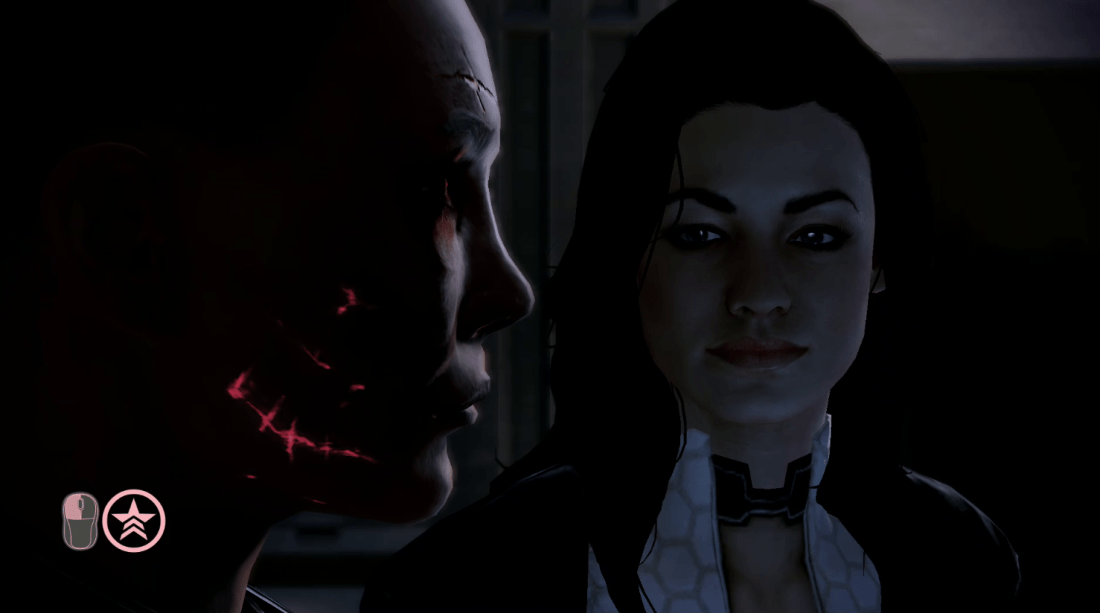
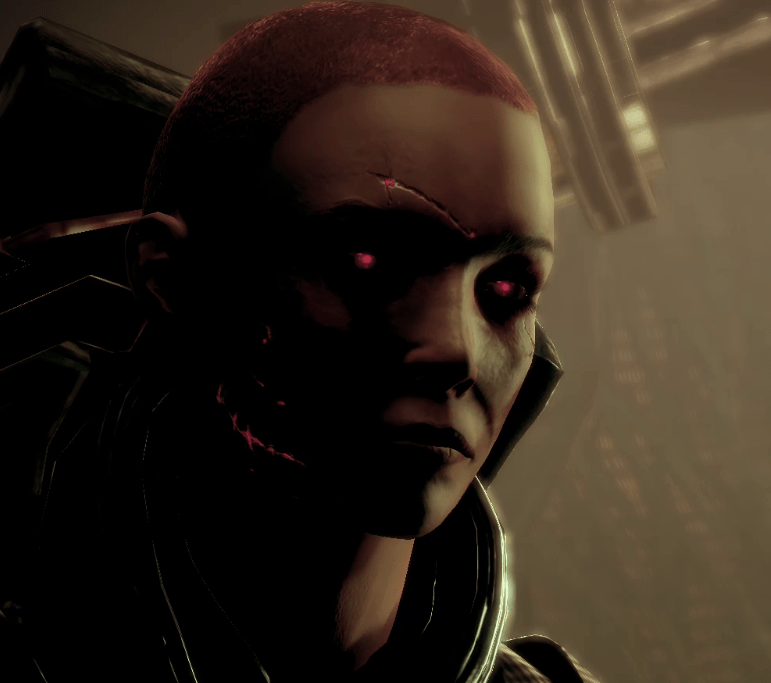
By not bothering to fix my scars (I’m not scanning a dozen planets to get a nose job), red light bleeds through and her eyes start to glow. She looks dangerous and that starts to inspire me to behave even worse. I’m so evil I let my fish die – only kidding; I didn’t even buy any. Kelly still offers to feed them though. DGAFShep starts to teeter on a real Renegade playthrough; I’m actually nasty to Tali. What a monster. I have to keep reminding myself I don’t care rather than I’m a bully. But the game has ways to corral those urges.

Unlike ME1, the main mission – stop the collectors – is often stopped in favour of being nice. TIM won’t give me new missions until I complete side-quests, forcing me on detours. ME2 assumes I care; I don’t. As a result ME2 doesn’t have the zip that ME1 did. Occasionally events happen and you can’t get out of them, which always sent me into a panic originally but now I’m like ‘finally, some action’ – ME2 teases who the collectors are and what their Reaper connection is which is a very different experience to ME1; I’m clawing rather than chasing.

Still, the main missions are solid fights and the companions much more aware and involved, firing and flinging biotics all over the place; in ME1 they would often wait for commands and get shot but this time, picking your pals is much more critical and exciting on the battlefield. To DGAFShep they’re just bodyguards, picked for their prowess not because I want to hang out, and if they fall, I often leave them to smear their own Medigel. They’re not having mine.

Eventually I reach the infamous IFF Install mission. But I can’t trigger it until I’ve done missions and don’t have any Collector-related ones. I’m stuck wondering where DGAFShep is going to have to compromise, until I remember she came up from a street gang; I’ll rebuild it. I chose to make loyal the criminal element only, so Zaeed gets his brutal day in the Blue Suns while Kasumi gets her revenge – although I force her to destroy the Grey Box; I want her thieving for me, not having VR sex. I contemplate Thane and Jack but they’re looking for absolution and there’s no place for that in my gang. Still no IFF so I do Legion and Grunt, figuring they’d make great Enforcers for the Red Sheps. I wanted Samara’s daughter as well, she’d be our assassin but DGAFShep would be unaware of that option and no way she’d want the sanctimonious mum in the gang. Just as I’m contemplating turning Mordin into the gang’s torturer, EDI pipes up that the IFF is installed. Finally. With Shep looking like a Terminator and backed by a team of scoundrels, we start the DGAF suicide mission.

Read part two of FBT’s brutal Mass Effect playthrough – will the entire team commit suicide? Will ME3 be any better on a DGAF playthrough? Can’t be any worse.

Fallout 4 – Pt1

a second wind special review

In this special edition playthrough, FBT relives Fallout 3 *spoilers (FBT hates it)*

I loved Fallout 3. There was nothing like it. Okay, there were loads like it; Stalker, Metro and … others but this was from the makers of Oblivion. It was Oblivion after the bombs dropped. That’s got to be good. And it was. I lived in FO3 for an age, explored every irradiated pixel. The world was horrible but the experience was unforgettable. When FO New Vegas came out I explored the wasteland again, loving being back in the world from a different perspective. Sure, it was a little juvenile, a bit repetitive with huge areas of nothing but a radscorpion for company and its story was daft (Romans? Yeah, they’re a good role model) but it had some really good stuff in it especially with the factions, reputation and robot sex. And then it was five long years in the vault until I could strap on my Pipboy again.

Fallout 4 opening with a pre-war scene was interesting, clearly that was supposed to make me feel emotionally connected to the wasteland later but it hadn’t ever occurred to me during FO3 to picture the world pre-war. I didn’t really care then and I don’t care now cos the game is making me go through annoying mundane tasks to build suspense, as if what’s about to happen will come as a surprise during this perfect suburban domesticity.

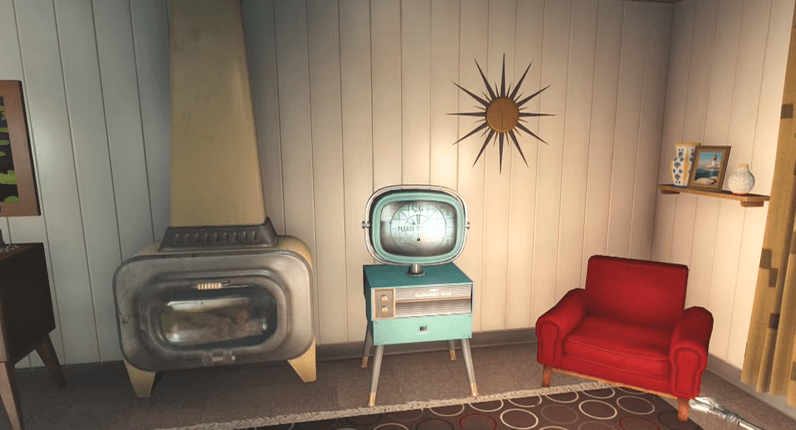
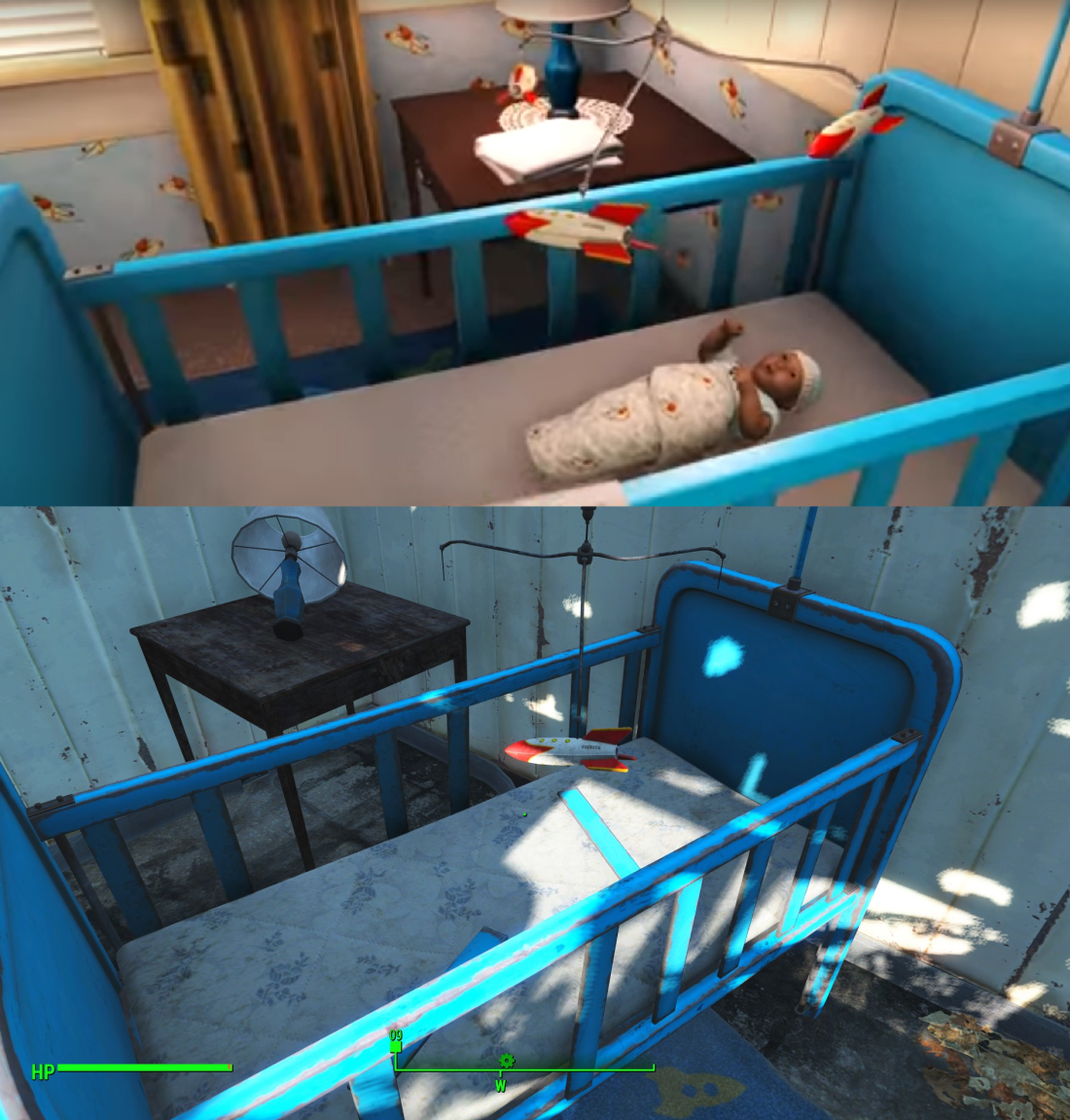
Cracking wise with my clearly ill-fated other half, rocking a cradle with my sprog in it, watching TV, all I can think about is the scene in Saints Row 4 where The Boss is trapped in a 50s sitcom and you’re forced to ‘play’ eating breakfast and get the morning paper, itself a parody of games like Heavy Rain. How meta. Eventually I’ve interacted enough and we’re running for the vault. I don’t get much time to look around but I do pause briefly to see the bomb land which is amazing, but I’m quickly hurried inside before I can really take it in. Safely vaulted, getting a real sense of the panic and drama, I’m looking forward to starting a life in a vault. I wonder if this will be the first Fallout game to explore the Commonwealth before it started, adventure in a world where the bombs are still smouldering, but no; we’re tricked into being turned into an ice-vault-icle and the years pass. I helplessly watch as my other half is indeed ill-fated and the kiddiewink snatched. Another unknown period passes and eventually I melt and claw my way outside to catch my first glimpse of the world I’ve seen before.

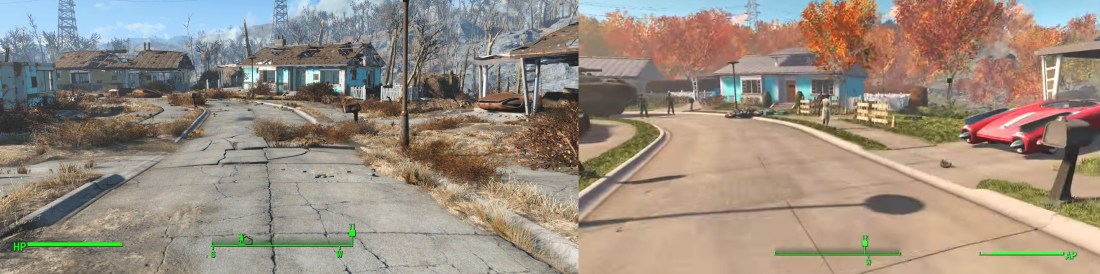
One of FO3’s greatest moments is when you escape the vault and are awed by the world for the first time. FO4’s attempt at awe is seeing my perfect neighbourhood reduced to ruins. But this isn’t as affecting as Bethesda may have intended; I never made a connection to the neighbourhood, I saw it pass by as I was running for my life so seeing it now has zero impact on me. I’ve seen this before – It’s just another Fallout ruin. I go inside my house and because I assume the game wants me to and stare at the empty cot. Sads. I have no emotional connection to the place or what happened or even the kid, because it all happened too fast. To really have given this impact, the game could have done with a few more hours in the pre-nuclear environment the way you spend time in the Vault in FO3. You think you know the world, then step outside and gasp. It could have worked quite well with the right quests. It’s like FO4 forgot about FO3 and thinks I’ll be shocked by what happened to my home.

A short chat with my still operating Mr Handy then occurs and I uncover something startling; The voice is Jack in Mass Effect! This game had better allow tattoos. I adore Jack; Courtenay Taylor did a stellar job grinding out Jack-the-killing-machine’s dialogue with barely contained rage then slowly softening to reveal a fragile and hurting human underneath but in FO4 my voice stays largely the same; indifferent. I’m playing a mother who just saw her hubby shot, her baby taken and the world destroyed and I’m talking and acting like it’s no biggie. The Handy gives Jack a waypoint to begin the search and so, filled with despair, determined to find my son and planning on playing ME2 next, I head Jack off in the opposite direction.

Before I’ve even met my first bloatfly, I’m already a little worried about where this game will take me. It’s forced onto me a very strong reason to drive forward and I don’t want one, I want to wander and discover. FO3 wasn’t about saving the world it was about taking the first steps towards a better one and until I did it, everyone just got on with life. In NV it was revenge and the key to that is preparation. Alongside it you got embroiled in a larger power-struggle, but one that didn’t need a resolution quick-sharp. In FO4 I am looking for my helpless baby lost somewhere in this nightmare world. How can that not overwhelm every other consideration? Why would I explore, roam, build some granny an armchair when my kid could be on a slab somewhere? It’s impossible to wander the wasteland and care about the main storyline at the same time. This is a Schrodinger’s cat of a main mission; the kid is alive and dead until I action it. So I’ll make a player decision not a character one, and ignore a kidnapped baby. Other open-world games have reconciled a dramatic main plot with freedom in far better ways. Far Cry 3 got the recovery of his friends out of the way quickly and focused on sacrificing your humanity in favour of revenge. Perfect for side-questing. Mass Effect 3 had arguably the biggest story driver of all time – a trifling mission to save the earth and then the galaxy – but it encouraged side-missioning because most if not all your actions added to your readiness; You were side-questing to prepare for the main quest. Another open-worlder that stumbled its main mission was Tomb Raider – why am I looking for Dream Catchers when my friends are being held hostage? In FO4 it’s worse; maternal instinct or material instinct?

Ignoring the baby and taking on what FO4 is, it’s interesting and brave that I’m a vault dweller with no knowledge of the war’s repercussions. I have no training, no survival instinct, no idea what’s out there. I’m a fifties housewife. Amazing. Everything my character sees should cause her to breakdown, every item should be a mystery, every challenge an impossible feat and every creature a lethal encounter – but we just merrily crack on, knowing how to read a Pipboy, pick locks, fire guns. I should have screamed the place down the first time I saw a ghoul. But no, I’ve gone full Rambo in one cut-scene and it’s a huge mistake because playing someone completely unprepared and incapable would have been more realistic, more frightening. Why create a character so woefully unprepared and conflicted, then have them handle everything like they’ve been doing this for years? It would have been compelling to find trainers, get experience, learn, barely survive. But no, we hit the ground running and gunning.

After a few hours of barrelling about lost in the world I so loved in FO3, I stop and look around. It does look amazing. It’s exactly how I remembered the post-apocalyptic world looking. Just how FO3 looked. Just how NV looked, when it wasn’t crashing. Exactly the same. Same landscape. Same items. Same everything… Everything the same… Maybe a little more pixel-sharp, but yeah … there it is then, the wasteland. Eight years I’ve been waiting for this. Just how I left it eight years ago. And within the next few hours, the worst thing that can happen in an open world game happens. I get bored. The problem is I’ve seen it all before. The thrill of discovery, of getting into and out of trouble, of finding deserted houses with skeletal bodies, venturing into buildings, we went through that in FO3; it’s just more of the same and the impact is lost. I’m deathly, depressingly nonplussed in a huge apocalyptic world.

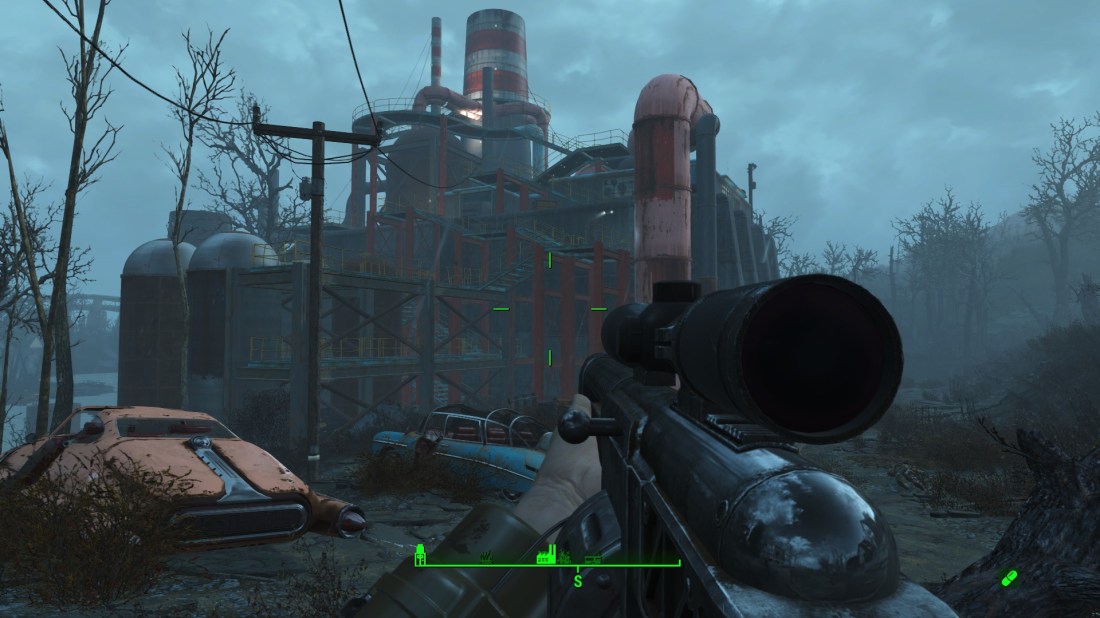
Oh look, a factory. I wonder if it’s a nuka cola factory? Yes, it is. I wonder if it’ll be full of raiders. Yes, it is. Water, bring on the Mirelurks. A bog? I can’t even be bothered with the bloatflies. I’ll go around. It’s the same disarray, the same crap on the floor, the same super mutants. Even the Megaton replacement Diamond City just reminds you of Megaton. Bigger but not better, not different enough to get the wanderer juices flowing. Each Elder Scroll fundamentally changed the environment, the experiences, why did Bethesda keep going back to the irradiated well? Surely there could have been other ways to explore nuclear Armageddon; New Vegas was set in a location spared direct hits so NV explored how humanity would survive in an isolated world, not an obliterated one. FO4 could have gone somewhere else entirely but instead it feels like more of FO3. When you compare it to rival Sandbox games it comes across as lazy; Far Cry distinguished itself by never repeating itself, every Assassin’s Creed is unique while each Mass Effect subtly updated, changed and refreshed without becoming too distant from its predecessor; all the GTA’s stay safely within a city, but with new ways to explore it and Saints Row 4 rebuilt Steelport but gave you new ways to abuse it. In those you know which game you’re looking at; I couldn’t pick a FO4 screenshot out of a FO3 line-up.

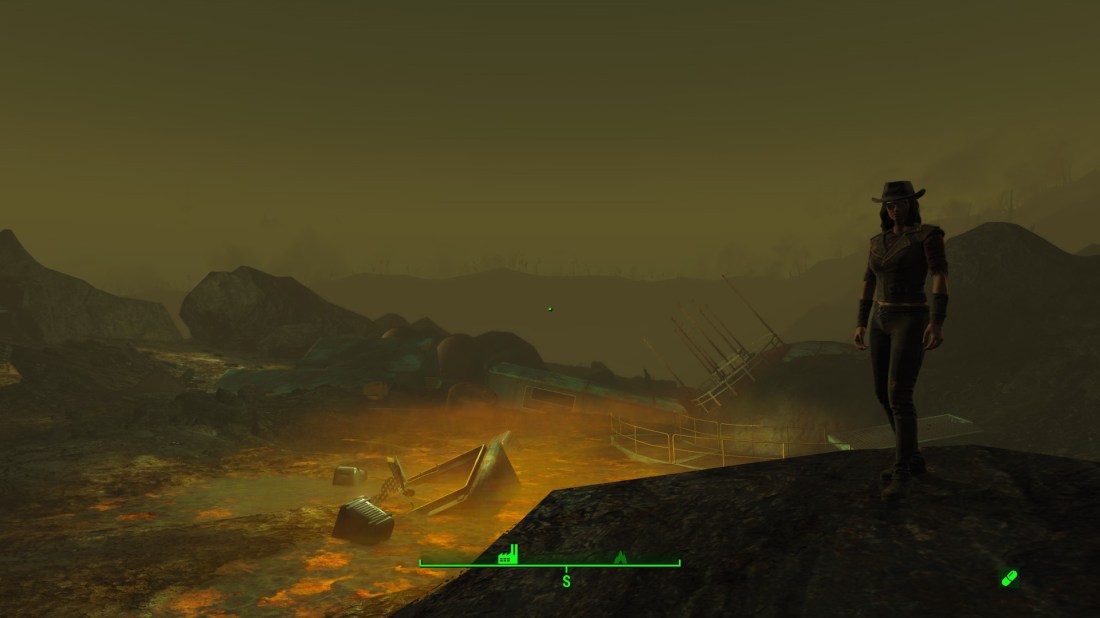
The only part of FO4 that’s remotely fascinating is the Glowing Sea, a deadly ground-zero for the bomb we saw at the beginning. It’s a horrible place and ironically, given its deadly nature the only place FO4 comes alive. A sick and blighted place, full of seeping decay and absolute death, The Glowing Sea is thrilling, not just in the experience but because it’s new. Had FO4 been set here entirely, it could have been something incredible. We’re constantly injecting radaway and the like, surely we’ve built up a resistance by now? Come on; in FO3 we purified water, no one’s built on that since? Setting FO4 in the Glowing Sea would have been stunning; it could have played like Bioshock – folks safe but rotting away inside great buildings with their own society and laws, surrounded by a lethal environment that only the brave (i.e Jack) will brave and bring the different houses together to fight some larger force or maybe eradicate radiation so everyone can leave. Having the Lone Hero find a city trapped by air would have set a new bar. Anything but just visit the place before returning to the rinse and repeat of FO3.

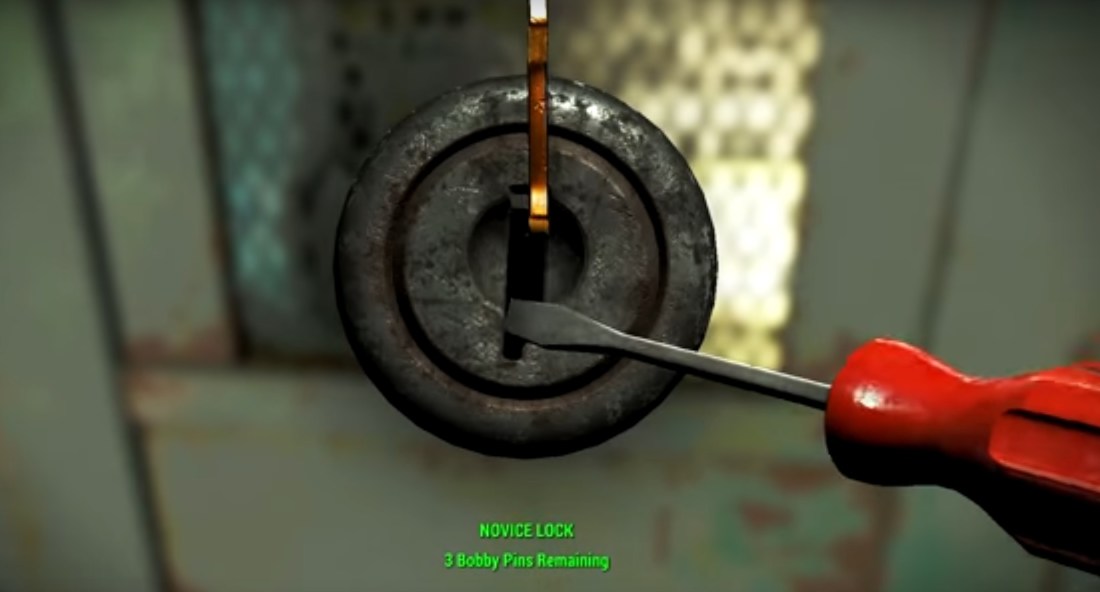
Worse, if not unforgivable, there’s so much reskinning and recycling going on I’m surprised CoD’s legal team didn’t sue. Who reskins a game nearly a decade old?! If you played FO3, NV or Skyrim then you’ve played in the world of FO4. This is more than just lazy art design on Bethesda’s part. This is wilfully cheating gamers who plonked down a TON of Nuka caps on a new fallout world and got something built in Skyrim’s Construction Set. In years to come, people will discuss FO3 and 4 interchangeably – that’s not good enough. And it’s not just evident in the art design. We’re still lock-picking the same way (and let’s not forget that was reskinned in Skyrim too); Sure, the locks wouldn’t have changed but the mini-game? Come on. Who in the fallout world is still manufacturing bobbypins?! I’m not talking about realism (I have a mini nuke, that should get a drawer open), just give us something new; anything but this again, I’ve been breaking locks the same way for at least four Bethesda games. Each Mass Effect had a different approach to hacking, why am I still playing Boggle in FO4 too? It’s all the same like a place-holder, a mega DLC.

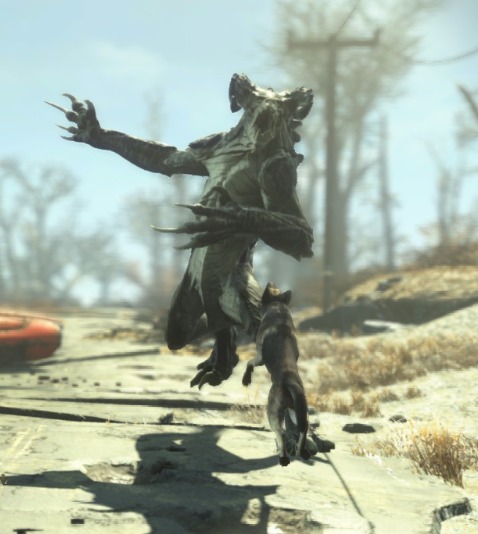
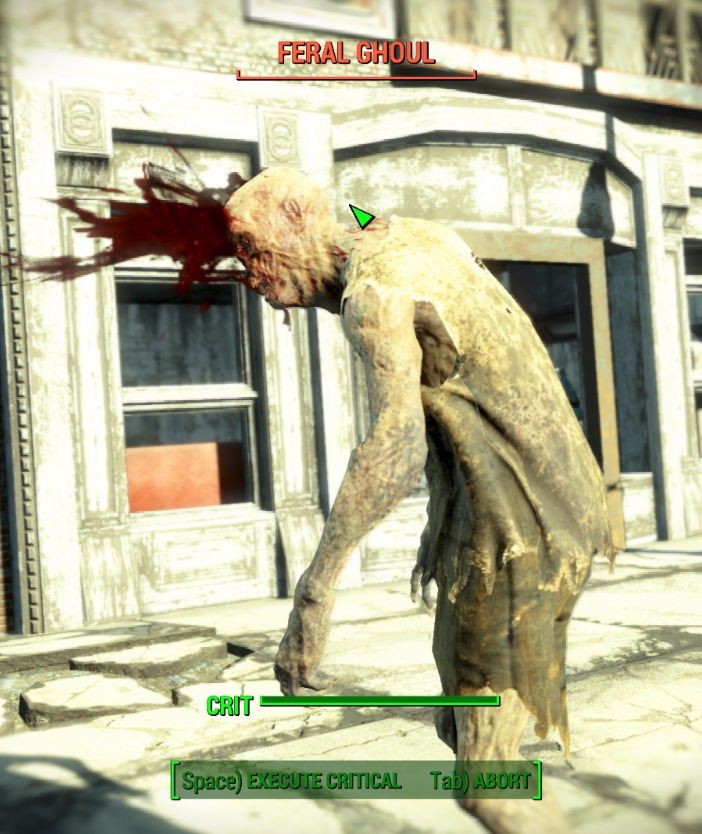
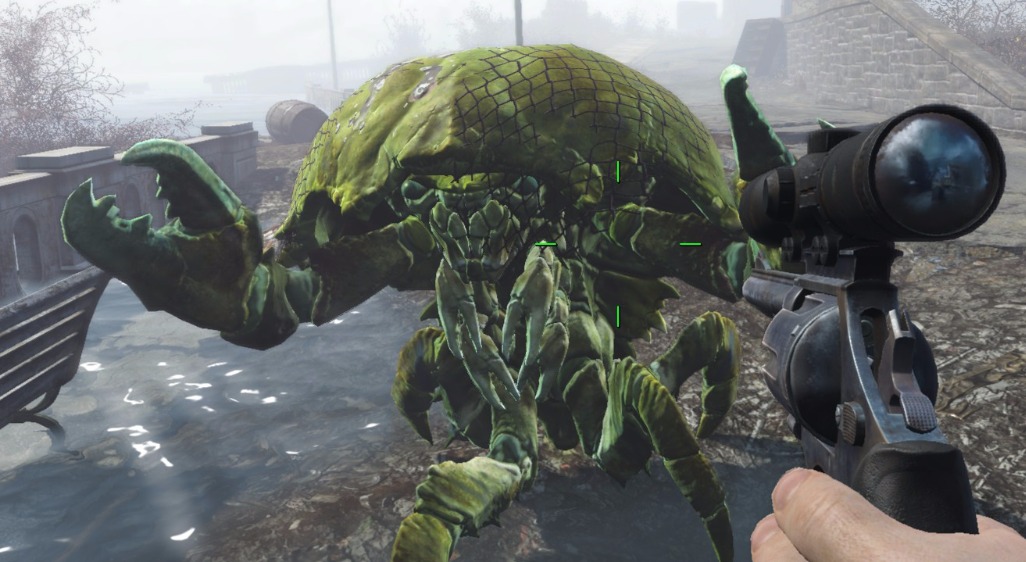
Some creatures though do move in new and frightening ways – the same creatures but you can’t have everything. Deathclaws leaping over fencing and through buildings is pants-wettingly good/bad as is trying to sneak around them, and the ghouls are faster too. And then there’s the Legendary enemies. Random encounters with extra-tough opponents that weld unique and powerful weapons. They’re actually more of a frustration and a distraction than anything exciting. Sure there’s going to be ornery old coots out there that know how to take a hit, and they’re likely to be carrying good loot but they’re barely even an event moment, just ammo-sucking annoyances mixed in with regular bullet-catchers carrying rarely exciting but always heavy goods. Borderlands often battered the crap out of you then dropped something even bigger and nastier on you, but you knew BL was as trustworthy as it was insane. That creature will drop something sexy. You may spend a hundred mill on a reclone, but goddamn that loot will be worth it. So you suck it up and Jack Burton it; Gimme your best shot, pal. I can take it. In FO4 it’s not worth all the Buffout and ammo and they appear at frustrating times when you’re just trying to get some place.

And at first, it seems the place you want to get is home. Largely an improved version of Skyrim’s Hearthfire extension, you can stake a claim on multiple locations, rebuild and attract settlers. Sounds fantastic, and judging by some of the settlements gamers have created, the possibilities are endless. They’re also mind-numbingly boring. Setting up power actually requires you to do the wiring. Well, I’m kinda searching for my son but yeah okay, lemme just rewire a plug. And when I do get settlers in, do they get involved? Yes, if I force them to but only in support roles while I’m out trying to find more logs for their fricking roof. Had the building work been played through a mini-game where you could properly plan, like a Sim City or the way Black & White allowed you to train a foreman to direct the rest of the followers, it could have been amazing. Set plans in motion then return to see how everyone was doing, how your little fiefdom was coming along. It could encourage you to talk to NCPs, finding scavengers to find materials, track down a builder, a planner to design it, artists to decorate it, build a militia, become raiders and attract criminals or a peaceful settlement for families. It could have been incredible. Go from a ruin to a functioning town, become a force in the wasteland! No. And thanks to a build system that’s more infuriating and confusing than picking something up in Trespasser, just trying to put a rug on the floor becomes rage-inducing; my house looks like an art student’s Cubism project. I have to do this for the entire settlement?! I eventually lost it and walked off never to return. And I have to do this for every place I’ve secured?! I’m a slumlord and I’m okay with that. The Fallout society can rebuild itself for all I care. The tenants constantly ask for things to be built; how did they all survive this long without me?! I just woke up, how come I’m a DIY God as well as a survivalist expert? I just give up and let the settlers live in squalor. Get out of my bed.

We’ll leave FBT to his impression of Reg Prescott. Maybe he’ll cheer up when he discovers the romance sub-plot, so check out pt2 to see if FBT forgets his other-half who died a day ago and finds love in the wasteland. Oh yeah, and finds his kid. Keep forgetting about that.

Fallout 4 – Pt2

A SECOND WIND REVIEW

Part two of FBT’s special edition Wasteland wander through Fallout 3. I mean 4.

*Spoilers. Not that it matters, it’s fricking obvious*

So, having been thawed out of a Vault, my suburban housewife character has not even remotely bothered to look for her son, the main plot of Fallout 4. Instead the domestic goddess blazed through the wasteland like a grizzled survivalist. Likely because she’d played Fallout 3.

While most of Fallout 4 is Fallout 3 Redux, one new addition is the ability to create a settlement; amazingly this isn’t a Bethesda money-grubbing DLC element like Skyrim’s Hearthfire, it’s part of the main game and a key element, the idea of carving out a place to call your own, of rebuilding the home you glimpsed pre-war, or building somewhere new, away from the memories of our recently lost other-half – it’s great; well, a great idea but impossibly frustrating and boring. Speaking of our beloved, the tragic parent of our child, the man I shared domesticity with only moments ago, I should look for someone new to share it with. Well, that was a long mourning period, sixty years as an ice-cube; a girl’s got needs. Companions are back and largely the same as FO3 in that they can carry stuff for you and get killed easily. I don’t need to find my kid when I’m spending so much time saving, finding, reviving and shouting at my companion. There’s a relationship angle added that’s somewhere between Mass Effect’s romance process and CJ’s girl in every city. Each companion has a selection of actions they find Hot or Not. Take Piper the spunky journalist; she’ll have the hots for you quick-sharp as she gets turned on every time you pull out a bobby pin.

It seems like a good idea and a way for you to find your true love – a companion who matches your character’s personality. In reality, it’s a real pain because many actions are necessary within the game – for example Cait hates it if you’re generous and likes you being selfish (She loves you walking around naked too, that girl’s got issues) so it becomes a question of do you alter your style to please them because you like them, or will your actions tear the two of you apart? I might be giving Bethesda too much credit for this concept, I’m not convinced that’s their intention but it’s an interesting dynamic. And oddly I had to sleep with a woman at one point to get info out of her, and my fully-confirmed partner was with me. I’m not sure what happened that night but we’re still together, yet she gets well pissy if I flirt off-script with someone. Plus, the whole idea is undermined by the perk system; each companion provides a bump in some form or other, so you just keep around whoever has a perk most useful at the time and put up with their grumbles when you do something they don’t like. The majority of the companions are quite interesting with different takes on the wasteland, and the perfect partner angle (if that’s what Bethesda were actually going for) is interesting – but the perk system removes who they are and turns them into a power-up.

Of course, the wasteland isn’t completely empty. Aside from the faction missions and the main storyline, there’s tons of mini-missions, events and radiant quests to keep you schlepping back and forth. Most are standard clear this out, find that, uncover what that is, kill that, rescue this. It can’t really go any other way, but after games like Mass Effect 3, which for all it’s faults made sure every mini-mission counted, you kinda want to see more impact. It would tie in nicely with the opening scenes of blissful suburbia if every side mission or encounter added to your settlement, either by more refugees helping or providing services; it would have been nice to return on a whim and see how it’s flourishing, and encourage you to go out and adventure more so by the end, you’ve provided and created a community, a nod to the past. But, missions are all standard and you do it for the xp. Eventually I get badass enough that a Deathclaw doesn’t terrify me, and give up questing, bored. Plus the settlement looks like a dump and everyone in it moans. Washed out of the wasteland, I might as well get this done. Why am I here again? Oh yeah, the kid.

So I follow fairly typical plotlines that lead me eventually to the dreaded Institute. Throughout, I heard stories of those guys, that they were creating androids to replace people in preparation for invading and forcing everyone out of the area. ‘Cos it’s just prime real-estate n’all. I kept thinking, why would they waste such resource and effort? I don’t know. And that’s not my infamous lack of patience, that’s the game’s muddled and unfocused plotting. The Institute itself is spotless and futuristic, why’d they want to move above-ground at all? The institute, for all their brilliance – not to mention the fact that they invented a transporter – doesn’t seem to have a clear mission statement and they have more than a passing similarity to FO4’s Steel Brotherhood; there’s a slightly distasteful fascism to both factions yet they hate each other. Still, turns out the wasteland tales are true. They are building ‘synths’ which are roaming about insinuating themselves into the colonies and townships of the wasteland. Still don’t really know why. But anyway, turns out my bundle of joy was taken for his DNA to help build human-androids for … reasons. And here he is!

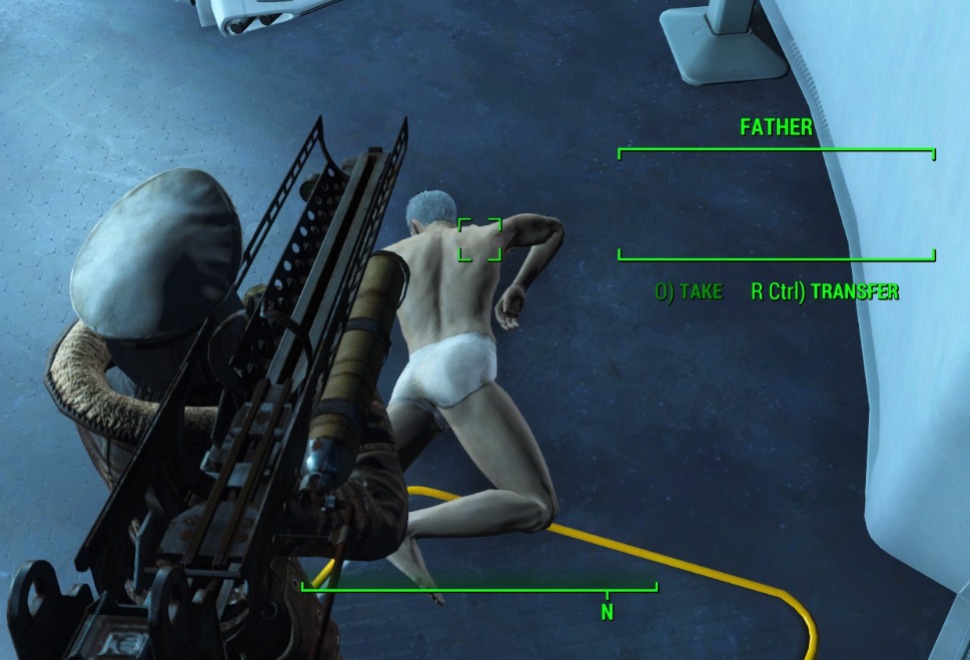
My boy is all growed up and become the Father of the Institute (‘Father’ – Wow. Mom meet Son called Father. That’s deep, right? I shall call him Fatson) I feel nothing when we meet; this should be a huge moment finally finding him only to discover my boy is old, indifferent to me and has a very different world view to the one I’ve formed while out in the wilderness, but it doesn’t gel because I’ve not shared any of my pain or feelings during my trip. The game doesn’t seem to know what to do with us once we’re together. After some wooden dialogue that doesn’t explore anything, the game shuffles me off on quests with a neat little ‘We’ll talk later’. And we never do, not really, not in a way that’s rewarding given this has been Jack’s focus. All conversations are carefully manipulated to avoid any plot-spoiling or emotion; he’s in his sixties and not had a parent so his feelings towards me should be curious at best whereas I should be staggered but their scenes together are little more than standard dialogue found elsewhere in the game. My chat with the Mr Handy was more emotive than this. When a machine is happier to see me than my own son you’ve got problems.

Reuniting with Fatson is a complete let down but not an unexpected one; I don’t feel cheated because it could only ever have gone this way; I never thought the game would have the guts to kill the kid; he could have died, that would be interesting – a mid-game emotional wallop that leaves me wondering my place in this world without the focus; we could have found our descendants, imagine grandma Jack and the kids rebuilding a settlement or me eventually sacrificing myself, too far removed from this world to settle but providing something to ensure Jack Junior’s kids had a chance – Nope, standard plotting only please. Hell, it didn’t even go wide of the mark and say he’s gone but everyone in the institute is a clone of him intended to repopulate the earth and I was a clonemother. What would I do then, kill potentially hundreds of cloned grandkids I could spoil at Christmas? It just doesn’t do anything brave with what it has and I think that inevitability played a part in my reluctance to go looking for him. I didn’t want to be disappointed by a FO game. But it did it anyway, then compounded it; just before meeting Fatson, FO4 grins like it pulled a Keyser Soze-sized rug by revealing my son is the antagonist. Of course he is. You’re expecting this to create an emotional struggle, a difficult choice? Nope. Worse, that reveal is the second rug-pull in a row. In a scene ripped from a Spanish telenovela, I’d been led to believe my kid was a child still and sure enough, in the Institute, I find the child! *Cries in Spanish* But as we talk something weird happens; he … shuts down. It was a robot! *Cries in frustration* Cue Fatson briefly pretending not to be the boy before we ‘realise’. Piss off. I wasn’t shocked I was disappointed and filled with suspicion this wouldn’t be the last I’d see of the robokid. Don’t you do it FO4 …

Anyway, having been sent packing by Fatson, I wander the institute. Every scientist I meet is a bit of a prick and they’re misinformed about the surface – if only the Institute had someone available with an intimate knowledge of life in the wasteland. But they don’t just dismiss me, they don’t even have the option to ask (It’s like Bethesda realised ‘oh crap, if she tells them it’s not that bad out there, our main storyline is shot / Just don’t have the dialogue option? / Great save! Lunch?’). Their attitude towards Jack also rankles me. I’m a badass wilderness survivor, they should at least be a little nervous having someone this dangerous leaving dirt everywhere. I have a nuclear weapon strapped to my back and they’re rude? Fine that they have an ingrained dislike of surface-dwellers but I can’t change their mind and I’m really not convinced those are the guys to side with. But I go off doing the side missions to see where this takes me. And I’m surprised; it takes me right into Fatson’s chair!

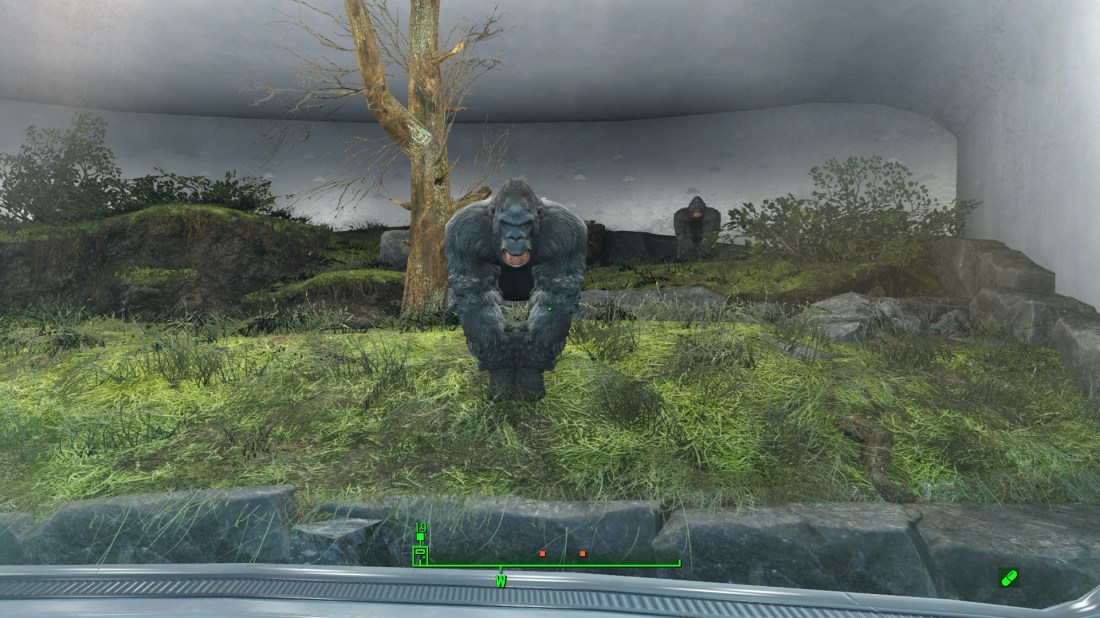
More ridiculous than the whole Fatson reveal episode, within 3 or 4 missions I’m offered the big chair; that’s just unbelievable. Plus, I’ve not learnt anything new, been swayed towards their world-view or even offered a view. An entire institution of scientists capable of building robots – including robot gorillas I noticed, why? – and a transporter beam and various other brilliant technologies and the person best suited to taking over Apple is the mud-covered luddite who’s been here a day? Okay so two scientists rebel against the notion, and do so by brilliantly locking themselves in the room with the gorillas. But everyone else just comes around to the idea, especially after that whole gorilla incident. Okay so if I’m in charge now I get to change their views toward the surface – Oh, no I can’t. More ‘don’t break the storyline’ control. I can’t influence the Institute at all. FO4 has jumped the gorilla. Even if I accepted that, and I can’t, this whole event should have come early on, to give me time to warm to their ideas and ideals, but now I’ve done most of the other factions’ missions and get where they’re coming from, I don’t care about the Institute.

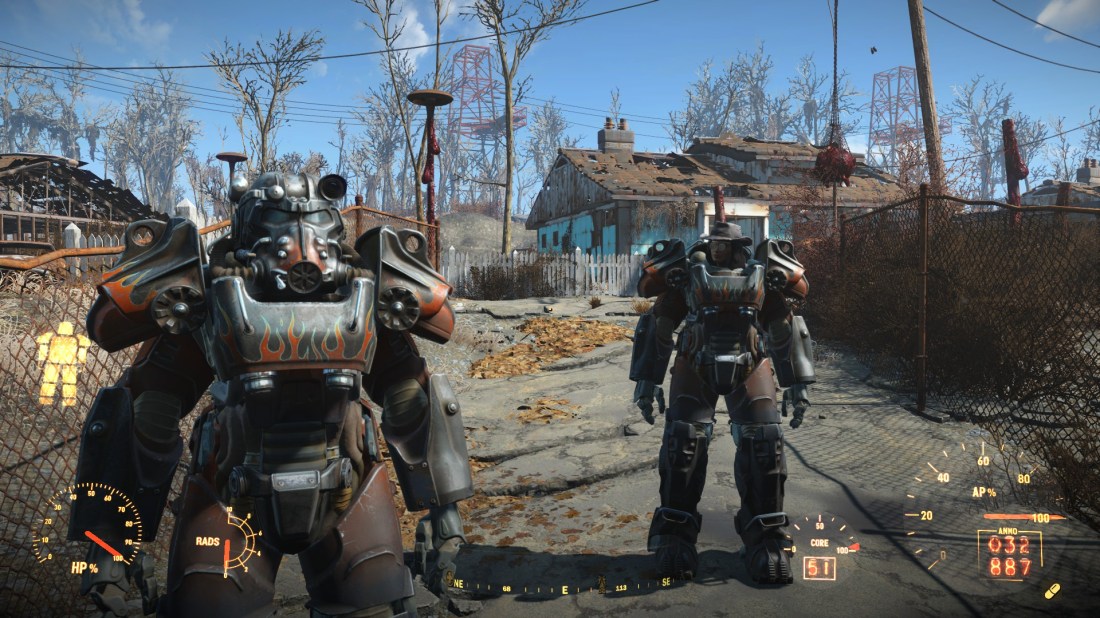
It also turns out my little man is the one who let me out of the vault. Why? I dunno really, he mumbles some plot-papering about knowing I’d find my way to him. How, why, what? You’ve expressed nothing but contempt for the wasteland and had the power to let me out decades ago, but you think the best idea is let your Mother wander with no direction or inkling about your status and just figured I’d rock up? And then when I do, I’d automatically side with you and – oh forget it I’m disowning you, I’ve had enough, I’m gonna go hang out with those fifties throwbacks with the shark decals on their power armour.

Like happens in the real world, this family reunion has been a disaster. Fatson and the Institute should have been introduced from the outset, especially after the revelation he let me out – It would have been a wicked game-changer to find a grown man at the house, explaining he released me and he’s about to unleash synth Armageddon on the commonwealth and wanted to rescue me first, revealing his identity. But something prevents us from returning so instead we go exploring for a way back to the Institute and along the way we both learn something; based on my actions, he sees hope or despair in the wastes, compassion or brutality – my actions are his reactions; it informs his plan once back at the Institute. Maybe he becomes compassionate and I become hardened and it’s up to him to change me. Anything but this. So much potential squandered, the generic nothingness of it makes me so angry I launch a mini-nuke and murder-suicide the two of us. This game drove me to infanticide. Or patricide I’m not sure. Had the two of us wandered together I would really have the fate of the wasteland in my hands, side missions would benefit the main quest by swaying his opinion and I’d be able to shape it as I see fit. But no, I’m caught between the usual factions and go with whichever ones I personally prefer/finished the missions for. Just like FO3, just like NV, just like most of Bethesda’s games nowadays; they’re not just reskinning the world, they’re copy/pasting the plots and missions.

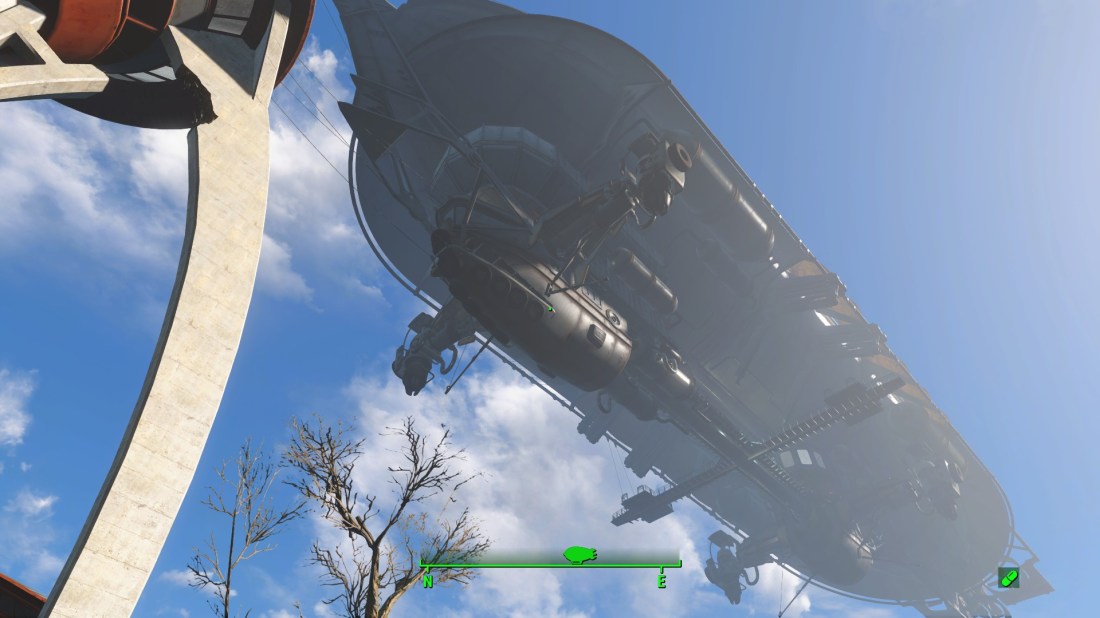
This time around factions include the Steel Brotherhood, who somehow – despite the presumed world-wide shortage of everything – manage to maintain a huge airship dreadnaught (admittedly that thing arriving in the sky was a high point as was blowing it up later), or the Railway who are dedicated to freeing sentient synths (The Railway? Seriously? Let’s leave alone the grade-school level commentary on slavery). Oh and those Minutemen. I forgot about them. Literally forgot them; someone in the Steel Bros mentioned the Minutemen and I was like ‘oh yeah!’ And then there’s the Institute with their plan to do make everyone upgrade their iPhone or something. They all hate each other. I can’t unite them. Why not?! We don’t even explore the hatred which in some cases, particularly the Steel Bros vs Minutemen, doesn’t make sense.

On top of it all, Jack is the worst kind of hero – a passive one. She’s happiest wiring plugs. I play her as an absolute badass and the game makes the character a complete meh.

Another option could have been to build your own faction. FO4 would have had the capability to do that. Your settlements could have become a force in the wasteland, a new power rising with your actions dictating how it’s perceived, become the major power battling the others; Nation of Jack. That would make me more inclined to build more than a rickety shed for my settlers. Anything! Damnit!

So I go through the motions and the missions, none of which stand out and eventually I destroy the institute. It’s telling that I forget to go see my son after all that. Had I followed his storyline, more would be revealed about the Institute and it’s intent and that’s annoying; to be cheated out of a resolution because I don’t follow his ideals despite being made the Father is a further insult and eventually I forgot him as if he was a Minuteman. I guess I assumed he’d appear at the last second begging me not to do whatever I’d done, but instead, little robo-son rocks up. Now believing Jack is its Mother, robo-kid asks to be taken with. I agree, although I’d rather take a Gorilla. It would be cool if robo-kid actually turned out to be a homicidal mini-me terminator but no, it’s just that kid from A.I and a hackneyed way to give Jack her son after everything.

Once we’d escaped the explosion of the institute – which took out most of the buildings folks were living in – I wonder was there really no way to take it over and move in? That’s the only way to resolve this? In the middle of an irradiated wasteland, atomically blowing up the only safe haven for miles? And what about the poor robo-gorillas?! The Institute has exploded (helpful), the Commonwealth’s scientists are dead (helpful) and all their technology is gone (helpful), and my replacement son was nowhere to be found (helpful). I think he might have fallen off the roof we watched the explosion from. Finally, a Bethesda bug I can get behind. I’m certainly not going to look for him, one missing kid was enough and I was already aggravated the game would try to tie everything up so simply by giving me an iBoy. A happy ending? That’s not what the wasteland is, and it was never what Fallout was about. The best you could hope for was a better wasteland.

For some, the familiarity of FO4’s retread is more than enough. If you loved FO3, FO4 is just more of it and the settlement element allows you to bring some civility to the wasteland. It is beautifully detailed, involving and does what it says on the tin. For me though, FO4 was tame, safe and bland – I wanted to make more of a mark than a blast radius. As I prepare to fast-travel to the exit menu, I take a look at the landscape one last time. It’s an incredibly compelling world Bethesda created and it’s a testament to their dedication that we eventually call the wasteland home and want to better it. From up here that is. Down there in the ruins, we’ve seen it all before.

War. War never changes. Neither does Fallout it seems.

2015 | Developer Bethesda Game Studios | Publisher Bethesda Softworks

platforms; Win | PS4 | X0
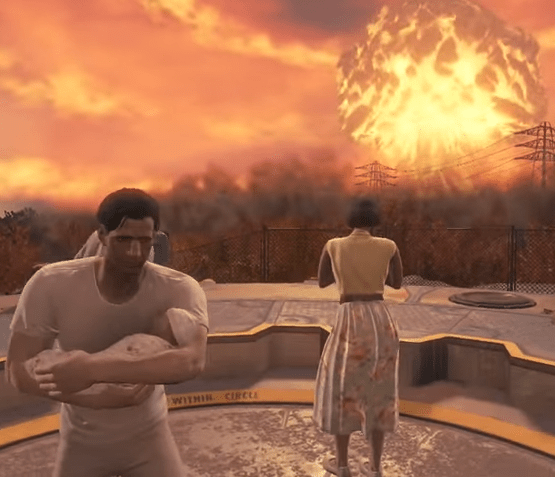
Doom, Clones & Killers Pt4

Finally, FBT reaches the end of his quest to find the Doom Killer. Or does he?

Let’s hope so, he’s not doing a part five.

Part Four: Black Mesa Inbound

By now the vultures are circling, watching as Doom breathes it’s last. It’s faced inventories, 3D, character classes, cut-scenes and storylines. Sacrilege. It’s been backstabbed by Quake, bullied by Build and had strips ripped off it by clone after clone. Yet it’s not only survived, Doom’s seen off all pretenders – even LucasArts no less. Doom keeps on killing it – and while 1997’s games have done everything they can to topple it, we’re yet to play a PC game that stands on its own. And that’s because we didn’t have an N64.

Shooter. First Person, Shooter; GoldenEye 007 (Aug 1997) is further away from Doom than any FPS so far; it was a huge leap and is the Doom killer. But it’s let off on a technicality; being N64-only limited Goldeneye’s chances of influencing the FPS genre the way Doom did – PC was safe in its vacuum. But, N64 players got a taste of the future. It seems every genre was stepping up; behind the wheel we had Carmageddon, Gran Turismo and Grand Theft Auto, f fight!-fans were about to get Tekken 3, RPG had the first Fallout and Lara was back in the seminal Tomb Raider II. The most amazing thing about the 1996-97 period is how many of those franchises continue today. Midsomer Murders premiered in 1997 and even that’s still on, what happened to Doom?

While the N64 was changing everything, all we in PC-Land had were sequels. Hexen II (Aug 1997) continues to move further away from Heretic – this time we have 4 classes and a sort of XP system; but as I replay Quake-powered HII I realise Quake was even more boring than I thought. While it has some stuff going on (sheep on catapults for one thing) HII actually looks and plays just like Quake; it’s an incredibly restrictive engine – Here is the world id have provided; play through it quietly, please. Hexen II might be fantasy-based, but it’s striking how distant it all feels after Build’s close-quarter world. But it’s not just the environment. Quake is like Dad’s Army to N64’s Bond; nonthreatening, almost comfortable. This is depressing. No mayhem, no trouble, no edge or dirt to it; Where’s the energy, the risk, the breathless deathrun for the exit? Hexen II does look good, and feels good but it never gets going and it’s hard to keep going, it’s all so flatline constant. At the risk of labouring the point, I would have loved to see it in the Build engine. Yes, I am blaming Quake for Hexen II. If it had been built in a more fluid, freeing engine, it might have been a lot more involving. I’m also blaming Quake for something worse; indifference – after Quake, FPS became more than what we’d settled for. We could forgive Doom for its simplicity because it was so raucous, but Quake’s lack of heart exposed that simplicity without stepping up the mayhem and it’s made FPS meh. Quake is so horrific it ruined Heretic too. Maybe Quake killed Doom by embarrassment. God, I hate Quake.

Luckily, the other sequel we got in 1997 was closer to Goldeneye than Quake; Star Wars Dark Forces II: Jedi Knight: (Sept 1997). Proving how far the FPS genre has come, JK is miles away from Dark Forces and therefore, Doom. There’s a cracking plot; Kyle Katarn, the arm we played in DF is on the hunt for his father’s murderer. Along the way he discovers he can use a lightsaber and that dark forces are looking for a place that focuses force powers. As we shoot and saber our way through every Star Wars reference, Kyle gains force powers and wrestles with revenge vs the Jedi path; and how we wrestle dictates the ending. The plot, much like Blood is told through cutscenes but this time they’re in glorious FMV, complete with panto actors having no idea what they’re doing, fuzzy rotoscoping and cheesy dialogue only George Lucas could approve. It’s an incredibly good game, epic yet focused with good shootouts and set-pieces; it’s as close as a PC gamer is going to get to Goldeneye, and the furthest we’ve gotten from Doom so far; a story, choices, subtle advancements and technically dual-wielding with weapons and force-powers – this is good. It has aged, the force-powers are clunky, the lightsaber is just button-mashing, it’s blocky to the point of being blinding and the FMV is hilarious, but it sets a new bar. All we need now is for id to lower it again.

Quake II (December 1997). This is a new id engine so I’m going to give id the benefit of the doubt and assume they loosened some of Quake’s vacuum-sealed grip and really put us in the boots of whoever the hell the Quake character is; it does actually have a storyline, so I’m sensing a change in the air. Is id actually going to kill Doom?

The oddest thing about Quake II is it has nothing to do with Quake. It’s rumoured QII wasn’t even a Quake game during development, id just couldn’t come up with a better name. Just how unimaginative were id by this point? Quake II is set in a sci-fi environment where a Space Marine named Bitterman (Bitterman would have made a better title) is split up from his company when they’re deployed on the home-world of the Strogg, an invading force attempting to take over earth. A blazing opening scene sets the story in motion, unlike anything we’ve experienced before and exactly what I was looking for. This is epic, against the odds stuff! Finally, a war-movie shooter; tight, claustrophobic, brutal … wait. Goddamnit. The game is nothing like the setup; no desperation, no frantic firefights, no overwhelming odds, no ‘oh shit’ moments. The corridors are better looking than before, and the bad guys move with a fluidity we’ve not seen before, but it’s plain, straight shooting. QII doesn’t add anything to the experience, there’s nothing wild or unexpected; Bitterman is Doomguy with a name tag and while being more cohesive than Quake, having a singular forward-pushing level design, against Goldeneye and Dark Forces II, QII offers nothing; it’s a throwback on a shinier engine. It was hailed on release, but again that’s just the Multiplayer talking; at first I thought id were timid – unwilling to step away from their comfort zone, but no more excuses; QII, actually, is arrogant. id – you thought this would do? At least Doom II turned it up to 11, made you work for it; this is just filler. That’s it. id, you’re dead to me.

So that was 1997, a year where IBM’s Deep Blue beat chess master Kasparov. Afterwards he claimed the machine made imaginative moves, implying human interference but considering IBM dismantled Deep Blue immediately, I think it become self-aware and they shut it down before it could launch missiles against Russia. They should have given Deep Blue a job at id.

Once, someone (me) likened id to Nirvana and said Doom was their Nevermind. Now they’re corporate MOR, the kind of thing you’d find on Jeremy Clarkson’s Driving Anthems CD, given away free with the Daily Express. But thankfully, we had our Foo Fighters; Epic. Unreal (April 1998) follows JKDF II’s form and gave PC gamers their Goldeneye. This could be the Doom killer – just when I thought Doom died of old age.

You play an unnamed prisoner enroute to space-jail when the ship crashes, leaving you the sole survivor with a legion of baddies between you and freedom – but there’s another layer; the planet’s peaceful inhabitants are subjugated by the baddies, forcing them to mine a valuable ore abundant on their planet. Our hero fights through the invaders as per standard, but saves the locals in the process. Or not. As an escaped prisoner, it’s your (moral) choice.

Unreal seems to understand what’s been missing; it draws you in as much as you draw your pistol; this is a FPS that feels exciting but rather than Doom’s pure ‘oh shit’ mentality, you’re playing with a sense of curiosity and against a subtle threat. This is the most compelling world we’ve seen yet. You feel like you’re on an alien planet; it’s full of odd, weird but logical things, spread across a world you progress through. Diaries and notes left by the aliens and other survivors fill in the background of a world filled with puzzles, interaction and situations – Unreal gives you an exploratory feel as you find your way, and how you make your way is dictated by various power-ups and improvements you can make to yourself. Helping the aliens feels good, not just level-up friendly, while the slavers are brutal and varied enough to keep things interesting. It looks dated of course, but you don’t notice; you have a world to save. This is how it’s done; Unreal is real. But did it kill Doom?

Unreal wasn’t a Doom killer, it was an id killer. They never recovered after being roundly punched off their pedestal. Instead of striking back with something new, they dropped all pretence and returned with Quake III – as multiplayer only. They’re going backwards. But Epic were ready for them. Unreal Tournament and Quake III battered each other Oasis vs Blur style but that was the beginning of the end for id. Carmack once dismissed the Unreal engine with “you’re just never as big when you’re second in line”, and I could just end on that quote, leaving it to linger like a Redneck fart, but I can’t let it go; what did id do to justify their first-in-line status? Doom 3. Like I said, backwards.

Meanwhile, Epic’s Unreal engine became the industry standard, powering not only hundreds of games, but exploited in non-game applications too; the FBI use it for crime scene training and the US Army for IED defusing tactics. It’s been used in Hollywood for pre-vis work (by Spielberg amongst others) and it did real-time, on-set rendering of ‘Kay-Tuesso’ on Star Wars Rogue One. And it generated the virtual sets on Lazy Town; now that’s cool. id? id who? You mean the guys who followed Doom 3 with … Doom 3 remastered? Then Rage, aka Doom in the Desert? Least they came up with a new title. Then followed that with … Doom 4 – which was so bad it didn’t even get a release. id, get second in line.

There’s no denying id’s influence. They are gods. Carmack changed the world with his engines, but game wise, id couldn’t even get cloning right; the King of Clones, Call of Duty has been punting out a reskin for nine games in a row yet it’s huge, primarily for the multiplayer – which id pioneered. Somehow, id forgot how to game.

Knowing what’s coming, Unreal could be argued as the new Wolfenstein. Which makes SiN (Oct 1998) Blake Stone … Set in some not too distant future, our beefy hero, Blade (the last of the classic era hero names) is head of some security firm investigating a super drug which turns folks into mutants. The Sinclaire Megacorp, headed by the unnaturally sexy Elexis Sinclaire is behind it so Blade shoots through various locations to find her and the antidote.

Elexis is one of those characters you’re not quite sure how to take. Either a parody of sexism or just an incredibly sexist fantasy figure, she’s Jessica Rabbit meets Anna Nicole Smith at a Motley Crewe video shoot; so sexualised it’s difficult to watch without blushing. But she has her smarts. It’s a shame SiN didn’t do better, let us *ehem* explore her further as Elexis is not only a great boob-hiss villain, but has the opportunity to be a parody or celebration of feminism or sexism; the ending, a nod to Basic Instinct’s favourite moment is amusingly intercut with Blades utterly transfixed face; female empowerment using physicality to manipulate the male sex-driven psyche or just smut? I dunno, I’m gonna play it again to be sure – and there is a hidden scene where you catch Elexis masturbating in a hot tub. Not sure that helps the satire argument. Thank god we’re not playing as Lo-Wang.

Problem is, Blade’s world is as under-developed as Elexis isn’t. The AI, once out of scripted moments is idiotic and the level designs are hugely lacking, sparse and unfocused; you wander rather than push forward and worst of all, we’re playing someone we’ve already played; Blade is a muscled tough-guy with a dislike for orders and a huge weapon compensating for something; but unlike Duke, Blade is a strictly straight-to-video star; I’ve never played a game where the hero is so completely upstaged by the villain – I’d rather be working for Elexis.

There are some advances to be fair. Blade is also aided by a hacker called JC who works nicely to set the scenes, damage you deal relates to the body-part you hit, there’s a (not very good) interactive computer element, tons of destructive environments and some hairy non-linear moments; choices can make later events easy or a right pain.

SiN could have worked as a satire/throwback had it been a bit more polished, but what really sinks SiN is it just wasn’t quite ready to leave behind classic FPS; sticking to the kind of stuff that would amuse Lo-Wang is half its downfall – the other half was life; SiN was rushed to beat Half-Life to the shelves, and suffers for it.

With Unreal and Goldeneye out there, you can see exactly what needs to happen to deliver the killing blow, and SiN misses the mark. I’m kinda sad about it really, there is a game to be had, but it’s frustratingly out of reach. SiN did manage a not-quite sequel; intended to be split across DLC episodes, Emergence was the only one released and that showed some promise, a nice mix between solid gunplay and Elexis in a bikini.

Just coming in under the wire, the original clone closes out the era. Heretic II (Oct 1998) deserves a mention just because I love Heretic. HII gives our Heretic arm an entire body called Corvus (The genus for Ravens, geddit?) and puts him on the hunt to cure a plague that’s turned everyone conveniently into targets. Built on the Quake II engine and looking pristine yet vacant as only the Quake II engine can, HII isn’t remotely connected to Heretic OG; Ovum spell returns though. Still a classic. Rather than being a Doom Clone, HII is a Tomb Raider clone, an action-adventure-puzzler. In fact, Heretic II doesn’t even belong in a FPS review – it’s 3rd person for a start but I couldn’t miss an excuse to play in Heretic again. Raven, give up the CoD grunt work. I’ll even play Singularity if it helps.

And then, Valve released a game that during early demos, was as seen as an ego-piece. What was this Microsoft Millionaire Gage Newell doing, playing in our shooter sandbox? Stick to MS Minesweeper, leave the gaming to id. But somehow, Valve’s Half-Life (Nov 1998) got it exactly right; instead of a killing machine we were an unwilling lead – a scientist, a geek, one of us, finding a way out of this mess unlike every other shooter where you were looking for a way in. I’m no scientist but career choices don’t matter when there’s headcrabs on the loose. The story was as simple as it was effective; our science project goes wrong, opening portals from which all manner of nasties spill out. Armed with a crowbar, Gordon Freeman (Gordon; even the name is normal. No Duke or Blade here) begins a brilliant trek through the lab to get help, aided by less-able scientists and security guards all called Barney. Meanwhile, the army are making their way in, making sure we don’t escape and tell id this is how you make a next-gen shooter. Freaky creatures, a mysterious G-Man watching our progress, great AI from the soldiers, Half-Life is perfect start to near finish (The ending in Xen still grates) and despite Gordo being silent, you develop a strong desire to get him out of this mess. We’re invested. Best thing is, Half-Life was built on a jury-rigged Quake engine. This could have been id, they could have killed Doom. After Goldeneye, Jedi Knight and Unreal, Half-Life ironed out all the kinks and with SiN proving old-school is out, Half-Life’s wasn’t the exception; this was the standard. Doom doesn’t come to mind once.

Doom; 1993-1998 RIP

What a decade that was. It wasn’t the 60s – it was better. The 60s, the decade of change? Everything and anyone that was a vanguard of change got shot. The Sixties as an idea for the future failed. The nineties saw huge disruption in music, movies, art and gaming, plus changes in politics, equality and society that no decade has been able to top – Plus the nineties gave birth to the internet. Top that yer hippies.

As I mourn for Doom I realise now it couldn’t have gone any other way; I began this journey on the hunt for where it all went wrong, where FPS drifted from Doom’s pure experience but what went wrong was us; we killed Doom, the moment we deathmatched – once we were into Quake’s reign, and Deathmatch went Online, Multiplayer became the driver and the single player mode was just offline mode. It took Half-Life to convince us to save the day not the flag. Turns out I killed Doom?

There’s some who argue that Doom’s influence and impact is overstated, that it’s innovations would have happened naturally. I’m guessing they never played Doom in 1993. Its brilliance wasn’t the technical leaps, it was id’s capturing excitement and turning it into pixels; that joy is missing from games now and that came from a mutual understanding; the developers and gamers never met but we were mates – all those games I played; there’s love in every pixel programmed and we loved every pixel we played. That’s why Doom was incendiary, why it’s one of the best games of all time. Nowadays, I don’t imagine a developer I’d have a beer with, I see corporate nonsense; marketing, research. Games like Doom and it’s Clones are gone forever; gaming is worth over 90 billion dollars a year (compared to Hollywood’s 40 billion) and the mega-corps that run those empires don’t take chances. Those publishers wouldn’t have given Doom a second look.
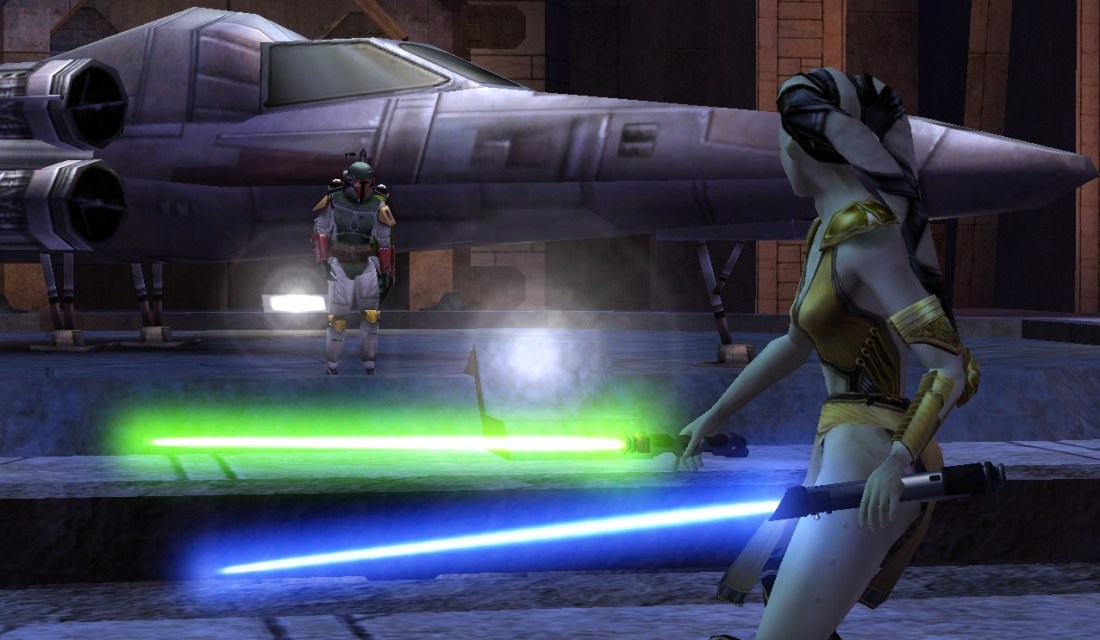
But maybe, with GOG.com’s commitment to indie titles and Steam’s Greenlight, the Shareware era isn’t over. One day another Doom may slip by and make us go ‘the fuck just happened’. Until then, we still have Duke, Doomguy, Caleb and all the other arms sticking out the bottom of the screen. Come get some.

Dark Forces Jedi Knight

A Blast from the Past review

FBT remembers playing on the carpet with plastic toys.

The Past

The Star Wars Dark Forces/Jedi Knight series might be my favourite franchise of all time. Unlike most series’, JK just got better as it went; Dark Forces might have been just a Doom clone and Jedi Knight a serviceable shooter with some cringey FMV, but Jedi Outcast was a tour-de-force; a solid FPS with a brilliant story, great villain (a T-Rex with a lightsaber, come on!), lightsaber battles and force-powers turned up to 11. I recall realising I’d largely stopped using blasters and thermal detonators and was prancing about like a fully-fledged Jedi. The final entry, Jedi Knight: Jedi Academy was a little more uneven, dropping series regular Kyle Katarn for a Padawan sent on milk-runs, but the Lightsaber had been perfected. DF/JK knew what SW meant to you as a kid, playing as either Luke or Han – the series let you be both, it was childhood re-enactments come to digital life (dictated by which toys you got for Christmas. Still waiting on that Death Star with working trash compactor, Santa).

The JK series also pioneered moral choices; it was up to you how light or dark you became but it wasn’t sign-posted. You only found out after each level how light or dark you’d been, and each game refreshed and refined your descent or ascent. I always wound up being a goody goody, but Emperor Katarn had a ring to it … even if the next game always assumed you’d followed the Light path. Going back to replay them all has Blast(er) written all over it. May the fond memories be with us.

Still a Blast?

The rumour was that Dark Forces began when Lucas heard about the Doom mod StarDoom, and saw a chance at even more of our pocket-money. Lucasarts were ordered to reverse-engineer Doom and the result was Star Wars Dark Forces (1995).

Kyle Katarn, an ex-Empire officer turned Han Solo stan, is hired to recover the Death Star plans then discover the truth behind the rumours of ‘Dark Troopers’, shooting his way through various movie and extended universe (sorry, Legends) locations. It’s a standard Doom era experience, and while there’s some improvements over Doom that’s not what we want. I don’t care I can look up or down, I care that I’m not terrified, exhilarated. I do feel Star Wars-ey but I’m jonesing for Doom or Duke – it feels like a kid’s game; Doom was shared around the playground like rumours about the Faces of Death video – Dark Forces is clean, safe and your parents would approve; no demons or bleeding Imp anuses in sight.

Besides the blandness in attitude, DF is a bland game to look at for the most part. It’s very muted, claustrophobic and blocky as hell. Whereas Doom, Blood or Duke work well enough to see past the bad graphics and basic controls, DF isn’t Star Wars enough or Doom enough to get past how bloodlessly derivative it is. It tries to be Star Wars, giving us digitised clips from the movies, but once we’re past the kind of cut scenes that make you want to replay Monkey Island, its back to FPS-lite; it feels designed by someone who’s played Doom, but didn’t get Doom. By not being SW or Doom, it winds up being a bit nothing, trading on my memories of Star Wars as a kid – if it had set on a 1970s carpet it would have been a classic.

The series isn’t off to the best start and while I wasn’t expecting much, I expected more than this. Up next though is where things got real. Like FMV real.

Thankfully, DF was a huge success and Lucasarts listened to the fan feedback, dumping the Doom-cloning and let the series find its own voice. Dark Forces II: Jedi Knight (1997) gave us what we wanted and FMV, which we didn’t. Fantastic in principle, Full Motion Video was intended to side-step the still basic graphics of the era, replace them with real actors. It was shocking, like 80s 3D bad and the problems weren’t just down to how they worked within video games – the budget, acting and scenes were classic Acorn Antiques; nowadays actors are used to being convincing during a greenscreen scene but back then, their lack of faith was disturbing. No even Lucasarts could crack it and it drains most of the drama when you’re watching actors looking slightly off-centre.

Our villain, Dark Jedi Jerec (who would be chewing scenery if there were any) murdered Kyle’s Pa while searching for the lost Valley of the Jedi, hoping it’ll imbue him with enough force power to kickstart the Empire (while Dark Forces was pre-Star Wars, the Jedi Knight series was Post-Jedi, no idea what Kyle got up to during those years). Kyle discovers he has force powers and must balance his new-found abilities with his desire for revenge.

JK is actually a cracking FPS. Way better than I remembered. I’d avoided it in favour of Jedi Outcast on replays, but I missed out. The first third is largely battling the extras from the Mos Eisley cantina, and no longer constrained by DF’s flat maze-runs, the levels are complex, with a huge amount of height and depth – scum and villainy are everywhere, alongside peaceful NCPs. We’re running through cities, cantinas, space-ports, warehouses; then later racing across parapets while tie-bombers take off, dealing with Stormtroopers, Officers, Interrogation and Probe droids in Imperial Bases with patrolling AT-ST. Some areas do drag, like Kyle’s family home which is largely platforming while being harassed by giant mozzies, and later levels aboard a Star Destroyer fall into linear run n’ gun, but for the most part, JKDFII is exactly what we want from a SW shooter – it’s perfectly balanced, ramping up the difficultly yet maintains the sheer fun of being in Star Wars. It’s great how purely exciting a twenty-year-old game can still be; CoD WWII takes up an eye-watering 90gb of disk space; JK is … 730mb and it’s 100 times a more enthralling, involving experience; volumetric dynamic shading whatevers don’t matter when you have a trusty blaster at your side, kid. And we had more than that this time.

The biggest change is the lightsaber. While it makes short work of the stormtroopers you are leaving yourself open; Kyle can deflect the occasional laser bolt but getting close enough to a Stormtrooper to cut him down usually means sacrificing your shield and since they’re rarely alone, it’s a dangerous tactic. Realistically, the saber is only for Jerec’s mini bosses and you’ll need more than a Lightsaber to take them out. You need the patience of a Yoda.

After a FMV cutscene hyping the mini-boss, we’re into a stand-off; who can button-mash the most. It’s not quite the balletic parry-riposte you’d hope for, besting the Dark Jedi is luck – but in my experience there’s no such thing as luck. Just a lot of reloading. But they’re all pretty cool opponents, using force powers as well as sabers and a standout is a MasterBlaster-like duo that’s harder than fighting with the blast shield down. Alongside the lightsaber, the force powers are also a little clunky; you have to chose to use force jump for example, but it’s not long before you’re force choking Stormtroopers, pulling their weapons away or shoving them about. Of course, all the fun stuff comes at a price.

Using dark Jedi powers increases your leaning toward the Dark side while not attacking NCPs and using light side powers keeps things Light. It’s a well done dynamic and the dark side is indeed quicker, easier. It’s inevitable that the more destructive powers are the ones you use the most, this is a shooter after all – no one’s going to use the Jedi mindtrick when you have force lightning at your fingertips and to be fair, the game focuses more on the consciously good/bad things Kyle does to decide if you’re Luke or Anakin. A meter at the end of each level tells you which way Kyle is leaning but no hint what caused it; it a really nice way of leaving it up to you to figure out.

For all its the distracting FMV panto, basic force use, wonky Lightsaber and age, you’re completely swept up in Kyle’s vengeance vs becoming a Jedi. When his choice comes, it’s Kyle’s not yours and the repercussions are pretty extreme; it’s worth a replay just to see how good/bad Kyle gets. It may look old and creaky, but all this bickering is pointless; JKDFII is a classic, and even better than I remembered.

Not long after JK, Lucasarts released Mysteries of the Sith (1998). The first quarter follows Kyle, now training fan favourite Mara Jade. When Kyle disappears while investigating a new Dark Side threat, Mara abandons her Jedi chores and sets out to discover her teacher’s fate.

I only played MotS once, having nicked it off a mate who nicked it back. But now I realise I should have bought it (Or hidden my mate’s copy better); MotS is a great, tightly-wound little Add-On and as much fun as JKDFII. It’s the same build and look but the best thing is what’s missing – no FMV this time. Instead, Kyle and co are animated and while it really shows the game’s age, MotS is cleaner and more detailed than JKDFII.

Mara gains additional weapons, including one that fires Carbonite with mixed results and a sniper scope, and she faces off against more nerfherders than Kyle did, including a Rancor. She has essentially the same Lightsaber and Force abilities and they’re more critical this time, but not a light vs dark path which is a shame; Mara originated in the Zahn series as an Empire Spec Ops looking to avenge the Emperor so she’d have been perfect for Dark side swaying.

One random thing that stops MotS being brilliant is the feet-tapping. It wasn’t this noticeable in JKDFII but it seems Kyle and Mara have a one-foot stride and wear tap-shoes. All you can hear is ‘tippy tappy tippy tappy’ and it’s so distracting I constantly jumped to avoid their feet on the floor – but instead you get ‘guh, huh, gah’ every leap; even when drowning they’re being dramatic, choking is a gurgle mixed with swallowing followed by throat clearing. Audio annoyances aside, MotS is a solid if dated game and there’s more than a few well-pitched levels – including a series-standout where Mara faces herself in a Dagobah-style greatest fear test. MotS can sit comfortably alongside the main games, not just as an Add-On. I’m really happy to honestly own MotS, it’s a great little game.

Star Wars Jedi Knight II: Jedi Outcast (2002)

The gloves were off with Outcast. Before I even load it up I’m excited, refusing to even consider it might not have aged well or not be as good as I remember. This is one of my all-time greats. Come on Kyle old buddy, don’t let me down.

Kyle has renounced the Jedi way and returned to his Han Solo cosplaying, doing Senate odd-jobs with pilot-pal Jan. They uncover a new Empire-like force, the Remnant led by an ex-Empire General, Fyyar and a very evil Dark Jedi called Desann – a huge Komodo dragon looking dude who was a student of Luke’s before he turned to the Dark side. Desann and Fyyar have amassed an army but it’s not just the usual Stormtroopers and folks who like to party at Jabbas. Desann found a way to infuse people with the force, turning them into Dark Jedi – as well as force and saber-resistant Troopers. Great. Picked a hell of a day to give up Jedi-ing Kyle. Somewhat repeating JKDFII’s plot, Desann’s acts force Kyle to rediscover his Jedi faith and set him off on a personal mission to take the lizard down.

JO is one of the best FPS, best Star Wars adventures, one of the best games of all time. And that’s not just the force talking. Once Kyle’s force powers are high enough he auto-deflects basic attacks, and there’s just something so cool about swaggering along flinging laser bolts back at hapless Stormtroopers like it’s nothing. The force powers are refined and intuitive, and Kyle quickly becomes an absolute badass Jedi Knight, to the point you barely use your blaster. Using force grip, pushing stormtroopers off cliffs, directing your Lightsaber, flinging force-lightning about, it’s great. Stormtroopers are quick off the draw and they’re coming at you from all angles, keeping you on your now quiet toes, and when a Dark Jedi gets thrown into the mix, it’s a furious battle. You can pull weapons away from Troopers but whereas in JKDFII they would stand around, in JO they either surrender or take off running; they’ll even recover fallen weapons.

The level design is detailed and complex, and on occasion we’re helped by Luke and Lando in extended cameos, plus we even get to stomp troopers with an AT-ST. It really is thrilling stuff, but it’s not all fanboy beauty; battling the Dark Jedi and the Dark Troopers is more of a bind that I recall, and my Jedi training still seems to consist of frantic mashing. But it’s worth it with the Dark Jedi, who are all arrogant and excited about killing a Jedi; their slow-mo death scenes are very satisfying as is pushing them off a cliff mid-taunt.

The biggest surprise is the lack of light-dark options. I thought that was a constant, but like MotS, Kyle is a straight-shooter throughout. While Luke bangs on about Kyle being driven by hate (and he cheated by stopping by JK’s Valley of the Jedi to superpower his force ability), as well as Kyle’s acts being deliberately manipulated by Desann, there’s no slow lean toward the Light or Dark. Other disappointments include the story starting to fall into fairly standard Star Wars sequel territory (ex-military/sith looking to restart the Empire; the bread-and-butter of all post Return of the Jedi stories) and it’s very similar to MotS but still, JO is an absolute joy to play, one of those great early to mid-Noughties games like Max Payne 2, FEAR and NOLF that got everything right. I actually preferred JK for the story, but JO has the Jedi stuff down perfect. JO isn’t just a great Star Wars game, it’s a great game period. I am a Jedi.

Star Wars Jedi Academy (2003)

Jedi Academy is perhaps the bravest of the Dark Forces series. It relegated Kyle to sidekick NCP and sent us all the way back to the beginning, as a Padawan learner.

Enroute to Luke’s Jedi Academy, we pick our gender and species, what they look like, even what kind of Saber they have. The only thing you can’t change is the name – I’m a unisex Jaden. There’s no back story to Jaden, and although she’s the first Padawan to have built her own Lightsaber, it’s all left unspoken. Given the light/dark moral choice is sort-of back, guess this is to let you decide on her background, and what kind of Jedi she’ll grow up to be.

How we reach that moment is a departure too. Rather than a constant story, we’re given a choice of self-contained Jedi odd-jobs – do enough and you unlock a story mission, like a fenced in free-roamer. This time, the Dark side is The Disciples of Ragnos, a dark Jedi cult somehow draining power from Force-sensitive places (maybe they got the idea from JK and JO …) The chores are a Star Wars geek’s bucket list; helping Chewie escape a lockdown on Tatooine, exploring Hoth while battling Wampas and riding Tauntauns, investigating a Sand Crawler (including Jawas; utinni! Which means Wow, I just found out. Thanks Wookieepedia), helping Wedge take out a Bespin-like gas mine, a speeder-bike run, face off Boba Fett, distracting a Rancor so it’s ‘game’ can escape, repairing your ship while avoiding a Graboid, and a standout mission where you battle on top of an out-of-control train rocketing through skyscrapers. There’s even a mission to Vader’s weekend retreat; an acid-rain hellhole where Darth stewed in peace. He even had a statue of himself in the lounge, the narcissistic emo.

If there’s a downside, JA is JO reskinned. The story is starting to feel very reheated while the look and level layout is the same. Force powers are roughly the same too, but they’re a lot more powerful; fully powering up lightning can clear an entire room while grip means Dark Jedi are flung willy-nilly. Enemies are largely the same as in JO, but there’s some Super-Jedi that take a beating and they’re all good fun to battle with.

The biggest and best change though is Jaden herself; wickedly acrobatic, she leaps, somersaults and backflips through fights; I force jumped across an exploding bridge then electrocuted two dark Jedi off a cliff; ran up a wall, backflipped over a stormtrooper then cut him to pieces in slo-mo; I roll and stab, do leaping swings down on villains, sliding sabre tackles cutting them off at the knees (and hands, in a nice little movie nod) – JA is pure Jedi wish-fulfilment and the saber is equally awesome to use. You have three different attack styles and they do seem to make a difference; best thing though, Jaden has three types of sabers to pick from – the standard single sabre which maximises ability, two sabres which looks incredibly cool and the Darth Maul staff. The Dark Jedi have the same abilities, and use them effectively; choking is a favourite of theirs, but they never fling you off a cliff. That’s unsportsmanlike even for a Sith.

Although we’ve been nagged at by both Luke and Kyle for favouring the Dark side (again, I’m not going to use Mind Trick when I can force choke a Dark Jedi and drop him off a bridge), the Light vs Dark path hasn’t really shown itself during the game; instead, after a sudden but inevitable betrayal we’re given a moral choice. Unlike JK where my acts dictate if I fall to the Dark side, I just have the choice to calm my anger or let rip. It’s a bit of a letdown, but you barely have time to grumble because the final quarter is a near-endless battle with Dark Jedi and a huge, bordering on unfair final boss. Two bosses, if the betraying NCP pissed you off and you went Dark side on their ass.

JK is another classic. The short missions do make it feel a bit less epic and the main mission is too familiar, but JK is even more of a fanboy game than JO and all the better for it. If JO made me feel like a Jedi, then like Yoda JA makes me feel.

It’s time for the Jedi to end. Just like Jedi Knight span off from Dark Forces, Jedi Academy could have span off into a whole another series of Padawns being sent on adventures, but it was not to be. But at least the series ended on a high note. Kyle is one of those Legend characters that fans adore – there was outrage he didn’t appear in Rogue One and that says a lot about how much those games mean to the Star Wars fans.

The Dark Forces series still stands as one of my faves – it may have begun as a clone but it carved its own path and each is worth a replay; despite the wobbly FMV, Jedi Knight wins it, as it’s closer to Star Wars than the others, especially with the light vs dark plot. But Jedi Outcast and Jedi Academy are the adventures we imagined while lying on the carpet surrounded by toys; you can’t play them and not feel like you’re IN Star Wars. Even if the reheated storyline makes you feel like you’re in VII-VIII. Maybe pass on Dark Forces, but the force is strong with the Jedi series still. Those are the games you’re looking for.

Dark Forces (1995) | Jedi Knight Dark Forces II (1997) | Mysteries of the Sith (1998)

Developer, LucasArts | Publisher, LucasArts

Platforms; Win, PS

Jedi Knight II Jedi Outcast (2002) | Jedi Knight Jedi Academy (2003)

Developer, Raven Software | Publisher LucasArts/Activision

Platforms; Win, XBox

Doom’s Clones & Killers – Pt3

FBT survived Doom and Hailed the Build engine, baby. With Quake first on the list, is FBT’s quest to find the Doom Killer at an end? (Clue; there’s a part four)

Part Three: and I don’t love Jesus

It’s 1996, and- shut up, TFI Friday’s on. I can’t hear it over all your zigazig-ha’ing. And doesn’t Tony Blair seem nice? When we weren’t distracted by Loaded Magazine or giggling at Viz, we were cheering Cocker ruining Michael Jackson’s Earth Song at the BRITs and watching Oasis make history at Knebworth. Twice. We fell in love with the Spice Girls (well, their Say You’ll Be There video) and cried when Gabby left Big Breakfast. And cried again as mums kept buying Robson & Jerome singles. Just get back on Solider Solider. Or was it London’s Burning? We had Trainspotting, The Girlie Show, Dennis Pennis, Katie Puckrik in Pyjama party, Bizarre magazine, Kate Moss was Heroin Chic and amidst all this creativity and change the only Clone was Dolly the sheep?! Who, weirdly, has a twitter account (@dollyat20) and we still hadn’t had a Doom Killer, now three years old. The only FPS game to gain any momentum wasn’t found in your local Our Price, it was at the bottom of cereal packets. id had gone on a licensing frenzy, milking the Doom engine before it became obsolete and Chex Quest turned the best game of the decade into a commercial for a breakfast cereal and copies are still traded today.

Finally, in June 1996 we had something that kept us up so late we missed breakfast. I disliked Quake intensely on release – all the technological achievements were lost on me; I didn’t care about polygons and 3D, I wanted – expected, demanded – the shock and awe of Doom. Only id could do that, reclaim the FPS mantle after so many clones but to me, their return felt clinical and clean – It might have been a giant leap for game engines but it was small step for shooters; Quake was half the game Doom was.

When I restart Quake with a massive clip on my shoulder, I realise it is a thing of beauty. After all those minimal pixels, the similar environments, Quake is incredible, nothing short of genius at work. You can’t exist in this world and go back to Doom and think it’s better. But then, after a few hours play … I was right the first time. Quake is so polished, so perfect, so boring. You never feel like you won a level, that you pulled off a fast-one, a lucky streak, dragged a bloodied Doomguy to the exit hoping the next level has health at the start.

There’s four different worlds to fight through, but that’s not as refreshing as it might seem. It creates a disconnect – Doom had no real plot but you descended deeper into hell as you went, whereas four different worlds feels like starting over and over, relearning the world. It’s four mini-games not one epic gun-fest. The creatures move in realistic ways, the weapons are more varied and the world is full of stuff but you’re never really there. Quake feels at arms-length; Doom reached through the monitor and grabbed you by the scruff.

A key element to Doom was that feeling you were outnumbered, that you weren’t going to survive this; Quake may not have been able to replicate that original experience but it could easily have bettered the against-the-odds, breathless victory you got after beating a Cyberdemon. Quake is Blink-182 to Doom’s The Pistols; I don’t see how it’s considered one of the most influential games of all time. The Quake engine yes, but not the experience. Yet again I find new appreciation for what Doom did.

Quake didn’t kill Doom, it killed the single player. Quake’s multiplayer was an undeniable quantum leap – towards Single Player missions being little more than a five-hour tutorial for the online experience. There’s nothing wrong with Multiplayer – clearly that’s what id thought, given Quake III was MP only and it was done right in Quake – but Single Player was compromised. This is where the rot set in.

Meanwhile, genres other than FPS were stepping up their games. The Elder Scrolls proved they weren’t just a dungeon crawler with Daggerfall while Tomb Raider kicked off in October of ’96. If Doom was the King then the Queen was Lara Croft, easily the most iconic image of 90s gaming – but it didn’t change things in the way it should; we didn’t see a sudden shift to female leads, women treated any more equally or non-sexually in games. For all of Tomb Raider’s advancements it was Lara’s pixelated adolescent dream-figure that everyone remembered. 1996 also saw the beginning of the Resident Evil series and some company called Valve. It was a hell of a digital year, and what was FPS up to? Chasing a pig called Bessie. What, you too nervous about Y2K to build games?

I remember mucking about in Redneck Rampage (April 1997) and not really getting it; two brothers looking for their pig, stolen by aliens who have cloned their neighbours? Now I’m rescuing a pig? How far are those Doom Clones going to push their luck? Back then I found it too silly, sacked it off as undermining a genre that was just starting to get interesting. But after the deathly dullness of Quake, when I load up RR and hear a ‘yeehaw’ I think ‘Let’s do this’.

The opening level, where you cross a road while avoiding a car zipping around running over chickens, gives you an idea of what you’re up against and while I watch the car I get shotgunned by a Bubba in overalls screeching something in Redneck. I start again, trying to work out where the Redneck came from, and get run over. Man, being a redneck is hard.

Soon though, I get my eye in – which isn’t easy as RR is set at night and the blocky graphics of Build are grating after Quake’s smoothness, but there’s something to RR I hadn’t previously got wind of (not the fart-o-meter) – actual fun; we had Duke’s bluster, but otherwise FPS is a very serious affair; what we needed was pure nutso insanity and that’s what RR is; out of nowhere I discover a game I didn’t expect – a really good one. What in tarnation? I’m yeehawing like a good ol’boy.

There’s loads going on, to look at, to press and break, and instead of regular level layout we’re stumbling through farms, shacks, grain stores and trailers – it isn’t nonlinear but there’s a nice open world feel to it, something Duke also touched on and a further step from Doom’s corridors – later levels start to feel familiar once you’re in the towns but it maintains a quirky feel; a little unhinged level-design is refreshing and the enemies – classic rednecks alongside the aliens, including a dominatrix are great fun. Take heed RotT, this is how you do daft.

There’s the in-jokes too, and not all are aimed at the redneck caricature; while we’re somewhere between Deliverance and The Beverley Hillbillies, there’s a poster for a Troma movie, references to the artists on the soundtrack and typical alien tropes like crop circles and cows being mutilated – and tons of deep-south wisecracking from the heroes and the rednecks you gun down. The weapons are typical but there’s some homemade, jury-rigged backwoods style changes to the usual line-up, while a new trick is the burp and fart meters. Not exactly classy but they’re a fun way to add a penalty to using health powerups – drinking gets you drunk and impossible to control, eating makes you fart, giving you away. Redneck is really starting to stand out as something else; you can call it a hillbilly Duke but I’m having fun ya varmint – but not too much; it’s a subtly strong game, a lot more unforgiving than earlier FPS. Its psychobilly soundtrack (‘You Can’t Kill Me’ by Mojo Nixon is a standout as is Beat Farmers’ ‘Gettin’ Drunk’, proper psychobilly stuff not yer Cotton’Eye Joe, although now I have that stuck in my head) adds a new level too – instead of Doom’s dirge you merrily sing-along, to the point you don’t end a level ‘till the song’s finished. And you end levels by finding your dozy bro and clobbering him with a crowbar … it’s great to have a hero who instead of being heroic, complains ‘Ma head hurts, ma feet stank and I don’t love Jesus’.

You get the sense developers Xatrix had fun and it’s infectious – Saints Row and Borderlands owe RR a nod; it paved the way for the ridiculous to slip into shooters. It had sequels but RR was perhaps too silly to be remembered; I was equally guilty of dismissing it, but I missed out; open a can of whoopass and get ready to don’t love Jesus. It’s a great Doom-era shooter. Just remember those rednecks pack a punch; it’s not all banjo playing.

Redneck Rampage reminded me of another thing missing from modern games – extras. Games used to include entire Windows themes, screensavers, audio clips, pictures, all sorts. You just don’t get that kind of thing anymore, but I still have the ‘Cuss pack’ from RR; and now I have “I’m on you like flies on shee-it” as my ringtone.

Now, who want-a som Wang?

I recall Lo-Wang and Duke as buddies, equal in their abilities, including getting girls to show them their boobies. I’ve been looking forward to Shadow Warrior (May 1997) as I think I preferred Lo-Wang to Duke; he was a bit more mischievous, less Jock more Mock. SW was a straight-faced comedy, like a game based on some 1980s Ninja flick from Cannon Films. An Asian character – the kind created by a bunch of people who are not Asian – Lo-Wang revels in the innuendo of his name and doesn’t take anything seriously. Even when his old boss, Zilla, sends hordes of underworld forces to stop him, LW still treats it all like shit and giggles.

Much like Duke, Lo-Wang inhabits a world that’s fast leaving Doomguy’s behind – Build’s interactivity is at the fore in SW; LW can find repair kits to chug around in tanks, forklifts and boats, there’s puzzles and secrets that require some figuring out and he can muck about with little RC cars – we’re in the world more than ever before. It’s interesting that Quake far exceeds Build in terms of capability and environment, but SW just feels alive, immersive. The art design, which is Japanese influenced is detailed and like DN3D there’s loads going on. But Shadow Warrior starts to wear thin and one of the most important parts, one I previously loved, is to blame – Lo-Wang. Once he gets tiring, the game does. When he’s not making groan-worthy jokes about his name/manhood, he’s commenting on everything – ‘ohhh sticky bomb likes you’, ‘You are tiny grasshopper’, ‘You move like-a pregnant yak’ – he just goes on and on; an Eraser-inspired railgun is ruined by LW saying ‘you got Erased’ Every. Single. Time. And when he’s not commentating, he’s making Bruce Lee noises or giggling to himself. Super-health comes in the form of Chinese fortune cookies, which are puns like ‘man who farts in church sits in his own pew’. Okay I sniggered too and after nothing but ‘Ger, gah, uuugh’ sounds from my heroes, I should be happy to have a Chatty-Cathy for company but Lo-Wang is sidekick elevated to annoying hero.

Shadow Warrior is a case of diminishing returns – this is from 3DR again and like Duke, level design isn’t their forte. There’s a lot in it but it doesn’t go anywhere; it’s too reliant on the novelties but whereas Duke saved DN3D, once Lo-Wang grates some misgivings start to creep in. 3DR just cloned Duke thinking that would be enough, amping up his juvenile antics but Lo-Wang perpetuates the Asian stereotype with his ‘Engrish’ accent, Fu-Manchu moustache and kung-fu bants, and his Duke-lite persona falls into misogyny; Lo-Wang just accosts random girls – ‘Lo Wang drop soap,’ he says to a girl he corners in a shower, ‘you bend over and get it’ or telling a girl mechanic ‘chicky, you tighten my nuts’ – Plus, the girls all seem to love his attention, including one he interrupts on the toilet. In one secret area he comes across Sailor Moon on a bed – and asks ‘peaches’ if she’d consider Mooning him. Dick. Duke had an old spice swagger that justified his ladykiller ways and, politically correct or not, he paid strippers for a flash in a strip club; he didn’t sleaze.

I haven’t been this disappointed since my Tamagotchi died. I’m saddened Lo-Wang turned out to be Lo-rent, but it really is the weakest of the ‘Big Four’ Build games; and it’s 3DR’s fault again. They should have just licensed the Build engine and left the design to those who knew what they were doing. It bleeds the Build engine dry, making SW the most interactive, touchy-feely (Sailor’s Moon aside) game so far. But the only one really enjoying himself is Lo-Wang.

Stand back ladies and gents, we’re about to play the game that, if asked, I would have accused of killing Doom. Blood (May 1997) was the last notable game on the Build engine. Because nothing could top it, obviously. Blood’s Caleb was the Snake Plisskin of the gaming world; pissed-off, dangerous and with a singular purpose. He was awesome – the bleaker, darker anti-hero of the era who sounded a bit unhinged, muttering Evil Dead references and singing Frank Sinatra as he killed indiscriminately. I’ve been looking forward to this. Don’t let me down Caleb.

Blood has something all the others didn’t – a reason. This is where FPS actually got a story, a motive to maim your way to the end; The CGI opening sets the scene in a horribly morbid and cool way; Caleb, a brutal wild-west killer-for-hire was initiated into a dark cabal by his wife. Inexplicably, their dark god punishes them for some slight, and Caleb is buried alive after witnessing his beloved maimed by a demon. Escaping, Caleb goes on a rampage in the most imaginative levels we’ve blasted through so far.

One minute you’re in Camp Crystal Lake, the next fighting through a moving train, the mazes of the overlooked hotel, a fairground-circus, a remake of Dawn of the Dead; each level is a world we recognise from our VHS collection not Doom – Every other FPS you’d struggle to recognise one level from another if they were in a line-up; But Blood’s levels are all unique and fantastic to maim through. You never get bored in Blood – the story, level design, references, there’s so much going on yet it isn’t a distraction from some killer action; Blood is relentless, and the boss-fights for the first time are not OTT arena fights – they take some strategic foot-work and weapon-picking. The weapons too are nicely macabre – voodoo dolls, tommy-guns, his melee weapon is a pitchfork. When he lobbed dynamite with bloody results, Caleb cackles maniacally. Now that’s a hero sound, not Lo-Wang’s ehehehehe kid-being-tickled gurgle. Elsewhere Caleb’s rasping voice quotes everything from The Crow to a Harrison Ford The Fugitive/Air Force One mash-up … and he’s got sarcastic putdowns; upon finding a dead Duke Nukem, he double zings with ‘looks like I got time to play with you’ followed by ‘shake it baby’. If Shadow Warrior was an ill-conceived nod to Big Trouble in Little China, then this is John Carpenter’s The Thing with a nice sideline in They Live.

What is interesting though, is Blood’s story; something we’d not needed or wanted before. But Caleb had his reasons, and each episode ended with his avenging his wife and friends, headed towards a finale -with a god no less- only to leave empty-but-bloody-handed.

Of all the Build developers, Monolith is the one to really make the engine sing; sitting perfectly between SW’s novelty distractions and Duke’s outrageous set-pieces, Blood is brilliant and should be played just see how a shooter should work. Mindless killing and a mindful plot, it’s a perfectly balanced FPS and one of the best shooters of all time.

Blood didn’t kill Doom, the story-driver concept only really exists in the cutscenes and it still owes a debt to Doom but it provided that little edge as the endless blasting of FPS starts to get a little tiring. Blood is the first to seriously wound Doom.

There were Build games after Blood; TNT Team released Nam in July 1998, a reskin/mod of Duke with RotT-style scanned photos and flat environments. It did have some nice touches, like picking up orders from NCPs and having followers. Oddly, I didn’t see a heads-up display. But it had a semi-sequel in ’99, WWII GI. There was also Extreme Paintbrawl in 1998; let’s not talk about that. One thing to talk about though, is the argument that Build weakened the sincerity of FPS; that as soon as we were able to ask strippers to shake it baby, it became a battle of novelties and distractions; the visceral experience got watered down. I don’t think Build is to blame for that, indeed Blood’s bare-bones plotting makes it the best of the bunch – but 3DR were to blame; they just weren’t natural level designers like Romero – instead of using Build to enrich the Doom experience, they made theme parks; Romero raised level design to an art form, able to imagine not just the world, but you in it and then make it exciting to fight your way out. 3DR settled for boobs.

And that was it for Build, which really disappoints me; besides the technical marvels, Build games made you feel like anyone Kurt Russell played in the 80s; they were filled with refs to Evil Dead, John Carpenter, Sly & Arnie’s best 80s characters, even Elvira; so much was threaded through Build’s games that you felt as if the developers were mates; they were into what we were into – this was back when being a gamer was looked down on by Jocks and their new extreme sports like surfing on snow – Build let us know we weren’t alone. Build let us be heroes.

It’s a shame 3DR decided to spend all of their cash and good-will on the twelve-year development of Duke Nukem Forever; to piss away Duke Nukem was one (upsetting) thing, but to ignore what they’d achieved with Ken Silverman was unforgivable; just imagine what could have come next. Instead, Silverman stepped away from the gaming industry and became “CTO of Ardfry Imaging, responsible for the PNG Compression tool PNGOUT” which doesn’t sound like something Duke or Caleb would say. But I’m sure it’s had an effect on my digital life. He only made one engine, yet Silverman’s contribution was massive and it entertained and impacted beyond the games it powered; All hail the real king, baby.

So, Build was a shot across the bow, but no Doom-killing cigar. Onward. Maybe Elexis Sinclair has something to do with it. I’d better frisk her.

In Part Four of this increasingly indulgent look at the classic FPS era, FBT trades in his Portable CD player for a MP3, invents conspiracy theories to explain Doom’s death and spends most if the review trying to get in an Anna Nicole Smith reference.

#FPS #Shooter #blastfromthepast #playthrough #FBT #extendedplay #Doomera

Doom's Clones & Killers – Pt3

FBT survived Doom and Hailed the Build engine, baby. With Quake first on the list, is FBT’s quest to find the Doom Killer at an end? (Clue; there’s a part four)

Part Three: and I don’t love Jesus

It’s 1996, and- shut up, TFI Friday’s on. I can’t hear it over all your zigazig-ha’ing. And doesn’t Tony Blair seem nice? When we weren’t distracted by Loaded Magazine or giggling at Viz, we were cheering Cocker ruining Michael Jackson’s Earth Song at the BRITs and watching Oasis make history at Knebworth. Twice. We fell in love with the Spice Girls (well, their Say You’ll Be There video) and cried when Gabby left Big Breakfast. And cried again as mums kept buying Robson & Jerome singles. Just get back on Solider Solider. Or was it London’s Burning? We had Trainspotting, The Girlie Show, Dennis Pennis, Katie Puckrik in Pyjama party, Bizarre magazine, Kate Moss was Heroin Chic and amidst all this creativity and change the only Clone was Dolly the sheep?! Who, weirdly, has a twitter account (@dollyat20) and we still hadn’t had a Doom Killer, now three years old. The only FPS game to gain any momentum wasn’t found in your local Our Price, it was at the bottom of cereal packets. id had gone on a licensing frenzy, milking the Doom engine before it became obsolete and Chex Quest turned the best game of the decade into a commercial for a breakfast cereal and copies are still traded today.

Finally, in June 1996 we had something that kept us up so late we missed breakfast. I disliked Quake intensely on release – all the technological achievements were lost on me; I didn’t care about polygons and 3D, I wanted – expected, demanded – the shock and awe of Doom. Only id could do that, reclaim the FPS mantle after so many clones but to me, their return felt clinical and clean – It might have been a giant leap for game engines but it was small step for shooters; Quake was half the game Doom was.

When I restart Quake with a massive clip on my shoulder, I realise it is a thing of beauty. After all those minimal pixels, the similar environments, Quake is incredible, nothing short of genius at work. You can’t exist in this world and go back to Doom and think it’s better. But then, after a few hours play … I was right the first time. Quake is so polished, so perfect, so boring. You never feel like you won a level, that you pulled off a fast-one, a lucky streak, dragged a bloodied Doomguy to the exit hoping the next level has health at the start.

There’s four different worlds to fight through, but that’s not as refreshing as it might seem. It creates a disconnect – Doom had no real plot but you descended deeper into hell as you went, whereas four different worlds feels like starting over and over, relearning the world. It’s four mini-games not one epic gun-fest. The creatures move in realistic ways, the weapons are more varied and the world is full of stuff but you’re never really there. Quake feels at arms-length; Doom reached through the monitor and grabbed you by the scruff.

A key element to Doom was that feeling you were outnumbered, that you weren’t going to survive this; Quake may not have been able to replicate that original experience but it could easily have bettered the against-the-odds, breathless victory you got after beating a Cyberdemon. Quake is Blink-182 to Doom’s The Pistols; I don’t see how it’s considered one of the most influential games of all time. The Quake engine yes, but not the experience. Yet again I find new appreciation for what Doom did.

Quake didn’t kill Doom, it killed the single player. Quake’s multiplayer was an undeniable quantum leap – towards Single Player missions being little more than a five-hour tutorial for the online experience. There’s nothing wrong with Multiplayer – clearly that’s what id thought, given Quake III was MP only and it was done right in Quake – but Single Player was compromised. This is where the rot set in.

Meanwhile, genres other than FPS were stepping up their games. The Elder Scrolls proved they weren’t just a dungeon crawler with Daggerfall while Tomb Raider kicked off in October of ’96. If Doom was the King then the Queen was Lara Croft, easily the most iconic image of 90s gaming – but it didn’t change things in the way it should; we didn’t see a sudden shift to female leads, women treated any more equally or non-sexually in games. For all of Tomb Raider’s advancements it was Lara’s pixelated adolescent dream-figure that everyone remembered. 1996 also saw the beginning of the Resident Evil series and some company called Valve. It was a hell of a digital year, and what was FPS up to? Chasing a pig called Bessie. What, you too nervous about Y2K to build games?

I remember mucking about in Redneck Rampage (April 1997) and not really getting it; two brothers looking for their pig, stolen by aliens who have cloned their neighbours? Now I’m rescuing a pig? How far are those Doom Clones going to push their luck? Back then I found it too silly, sacked it off as undermining a genre that was just starting to get interesting. But after the deathly dullness of Quake, when I load up RR and hear a ‘yeehaw’ I think ‘Let’s do this’.

The opening level, where you cross a road while avoiding a car zipping around running over chickens, gives you an idea of what you’re up against and while I watch the car I get shotgunned by a Bubba in overalls screeching something in Redneck. I start again, trying to work out where the Redneck came from, and get run over. Man, being a redneck is hard.

Soon though, I get my eye in – which isn’t easy as RR is set at night and the blocky graphics of Build are grating after Quake’s smoothness, but there’s something to RR I hadn’t previously got wind of (not the fart-o-meter) – actual fun; we had Duke’s bluster, but otherwise FPS is a very serious affair; what we needed was pure nutso insanity and that’s what RR is; out of nowhere I discover a game I didn’t expect – a really good one. What in tarnation? I’m yeehawing like a good ol’boy.

There’s loads going on, to look at, to press and break, and instead of regular level layout we’re stumbling through farms, shacks, grain stores and trailers – it isn’t nonlinear but there’s a nice open world feel to it, something Duke also touched on and a further step from Doom’s corridors – later levels start to feel familiar once you’re in the towns but it maintains a quirky feel; a little unhinged level-design is refreshing and the enemies – classic rednecks alongside the aliens, including a dominatrix are great fun. Take heed RotT, this is how you do daft.

There’s the in-jokes too, and not all are aimed at the redneck caricature; while we’re somewhere between Deliverance and The Beverley Hillbillies, there’s a poster for a Troma movie, references to the artists on the soundtrack and typical alien tropes like crop circles and cows being mutilated – and tons of deep-south wisecracking from the heroes and the rednecks you gun down. The weapons are typical but there’s some homemade, jury-rigged backwoods style changes to the usual line-up, while a new trick is the burp and fart meters. Not exactly classy but they’re a fun way to add a penalty to using health powerups – drinking gets you drunk and impossible to control, eating makes you fart, giving you away. Redneck is really starting to stand out as something else; you can call it a hillbilly Duke but I’m having fun ya varmint – but not too much; it’s a subtly strong game, a lot more unforgiving than earlier FPS. Its psychobilly soundtrack (‘You Can’t Kill Me’ by Mojo Nixon is a standout as is Beat Farmers’ ‘Gettin’ Drunk’, proper psychobilly stuff not yer Cotton’Eye Joe, although now I have that stuck in my head) adds a new level too – instead of Doom’s dirge you merrily sing-along, to the point you don’t end a level ‘till the song’s finished. And you end levels by finding your dozy bro and clobbering him with a crowbar … it’s great to have a hero who instead of being heroic, complains ‘Ma head hurts, ma feet stank and I don’t love Jesus’.

You get the sense developers Xatrix had fun and it’s infectious – Saints Row and Borderlands owe RR a nod; it paved the way for the ridiculous to slip into shooters. It had sequels but RR was perhaps too silly to be remembered; I was equally guilty of dismissing it, but I missed out; open a can of whoopass and get ready to don’t love Jesus. It’s a great Doom-era shooter. Just remember those rednecks pack a punch; it’s not all banjo playing.

Redneck Rampage reminded me of another thing missing from modern games – extras. Games used to include entire Windows themes, screensavers, audio clips, pictures, all sorts. You just don’t get that kind of thing anymore, but I still have the ‘Cuss pack’ from RR; and now I have “I’m on you like flies on shee-it” as my ringtone.

Now, who want-a som Wang?

I recall Lo-Wang and Duke as buddies, equal in their abilities, including getting girls to show them their boobies. I’ve been looking forward to Shadow Warrior (May 1997) as I think I preferred Lo-Wang to Duke; he was a bit more mischievous, less Jock more Mock. SW was a straight-faced comedy, like a game based on some 1980s Ninja flick from Cannon Films. An Asian character – the kind created by a bunch of people who are not Asian – Lo-Wang revels in the innuendo of his name and doesn’t take anything seriously. Even when his old boss, Zilla, sends hordes of underworld forces to stop him, LW still treats it all like shit and giggles.

Much like Duke, Lo-Wang inhabits a world that’s fast leaving Doomguy’s behind – Build’s interactivity is at the fore in SW; LW can find repair kits to chug around in tanks, forklifts and boats, there’s puzzles and secrets that require some figuring out and he can muck about with little RC cars – we’re in the world more than ever before. It’s interesting that Quake far exceeds Build in terms of capability and environment, but SW just feels alive, immersive. The art design, which is Japanese influenced is detailed and like DN3D there’s loads going on. But Shadow Warrior starts to wear thin and one of the most important parts, one I previously loved, is to blame – Lo-Wang. Once he gets tiring, the game does. When he’s not making groan-worthy jokes about his name/manhood, he’s commenting on everything – ‘ohhh sticky bomb likes you’, ‘You are tiny grasshopper’, ‘You move like-a pregnant yak’ – he just goes on and on; an Eraser-inspired railgun is ruined by LW saying ‘you got Erased’ Every. Single. Time. And when he’s not commentating, he’s making Bruce Lee noises or giggling to himself. Super-health comes in the form of Chinese fortune cookies, which are puns like ‘man who farts in church sits in his own pew’. Okay I sniggered too and after nothing but ‘Ger, gah, uuugh’ sounds from my heroes, I should be happy to have a Chatty-Cathy for company but Lo-Wang is sidekick elevated to annoying hero.

Shadow Warrior is a case of diminishing returns – this is from 3DR again and like Duke, level design isn’t their forte. There’s a lot in it but it doesn’t go anywhere; it’s too reliant on the novelties but whereas Duke saved DN3D, once Lo-Wang grates some misgivings start to creep in. 3DR just cloned Duke thinking that would be enough, amping up his juvenile antics but Lo-Wang perpetuates the Asian stereotype with his ‘Engrish’ accent, Fu-Manchu moustache and kung-fu bants, and his Duke-lite persona falls into misogyny; Lo-Wang just accosts random girls – ‘Lo Wang drop soap,’ he says to a girl he corners in a shower, ‘you bend over and get it’ or telling a girl mechanic ‘chicky, you tighten my nuts’ – Plus, the girls all seem to love his attention, including one he interrupts on the toilet. In one secret area he comes across Sailor Moon on a bed – and asks ‘peaches’ if she’d consider Mooning him. Dick. Duke had an old spice swagger that justified his ladykiller ways and, politically correct or not, he paid strippers for a flash in a strip club; he didn’t sleaze.

I haven’t been this disappointed since my Tamagotchi died. I’m saddened Lo-Wang turned out to be Lo-rent, but it really is the weakest of the ‘Big Four’ Build games; and it’s 3DR’s fault again. They should have just licensed the Build engine and left the design to those who knew what they were doing. It bleeds the Build engine dry, making SW the most interactive, touchy-feely (Sailor’s Moon aside) game so far. But the only one really enjoying himself is Lo-Wang.

Stand back ladies and gents, we’re about to play the game that, if asked, I would have accused of killing Doom. Blood (May 1997) was the last notable game on the Build engine. Because nothing could top it, obviously. Blood’s Caleb was the Snake Plisskin of the gaming world; pissed-off, dangerous and with a singular purpose. He was awesome – the bleaker, darker anti-hero of the era who sounded a bit unhinged, muttering Evil Dead references and singing Frank Sinatra as he killed indiscriminately. I’ve been looking forward to this. Don’t let me down Caleb.

Blood has something all the others didn’t – a reason. This is where FPS actually got a story, a motive to maim your way to the end; The CGI opening sets the scene in a horribly morbid and cool way; Caleb, a brutal wild-west killer-for-hire was initiated into a dark cabal by his wife. Inexplicably, their dark god punishes them for some slight, and Caleb is buried alive after witnessing his beloved maimed by a demon. Escaping, Caleb goes on a rampage in the most imaginative levels we’ve blasted through so far.

One minute you’re in Camp Crystal Lake, the next fighting through a moving train, the mazes of the overlooked hotel, a fairground-circus, a remake of Dawn of the Dead; each level is a world we recognise from our VHS collection not Doom – Every other FPS you’d struggle to recognise one level from another if they were in a line-up; But Blood’s levels are all unique and fantastic to maim through. You never get bored in Blood – the story, level design, references, there’s so much going on yet it isn’t a distraction from some killer action; Blood is relentless, and the boss-fights for the first time are not OTT arena fights – they take some strategic foot-work and weapon-picking. The weapons too are nicely macabre – voodoo dolls, tommy-guns, his melee weapon is a pitchfork. When he lobbed dynamite with bloody results, Caleb cackles maniacally. Now that’s a hero sound, not Lo-Wang’s ehehehehe kid-being-tickled gurgle. Elsewhere Caleb’s rasping voice quotes everything from The Crow to a Harrison Ford The Fugitive/Air Force One mash-up … and he’s got sarcastic putdowns; upon finding a dead Duke Nukem, he double zings with ‘looks like I got time to play with you’ followed by ‘shake it baby’. If Shadow Warrior was an ill-conceived nod to Big Trouble in Little China, then this is John Carpenter’s The Thing with a nice sideline in They Live.

What is interesting though, is Blood’s story; something we’d not needed or wanted before. But Caleb had his reasons, and each episode ended with his avenging his wife and friends, headed towards a finale -with a god no less- only to leave empty-but-bloody-handed.

Of all the Build developers, Monolith is the one to really make the engine sing; sitting perfectly between SW’s novelty distractions and Duke’s outrageous set-pieces, Blood is brilliant and should be played just see how a shooter should work. Mindless killing and a mindful plot, it’s a perfectly balanced FPS and one of the best shooters of all time.

Blood didn’t kill Doom, the story-driver concept only really exists in the cutscenes and it still owes a debt to Doom but it provided that little edge as the endless blasting of FPS starts to get a little tiring. Blood is the first to seriously wound Doom.

There were Build games after Blood; TNT Team released Nam in July 1998, a reskin/mod of Duke with RotT-style scanned photos and flat environments. It did have some nice touches, like picking up orders from NCPs and having followers. Oddly, I didn’t see a heads-up display. But it had a semi-sequel in ’99, WWII GI. There was also Extreme Paintbrawl in 1998; let’s not talk about that. One thing to talk about though, is the argument that Build weakened the sincerity of FPS; that as soon as we were able to ask strippers to shake it baby, it became a battle of novelties and distractions; the visceral experience got watered down. I don’t think Build is to blame for that, indeed Blood’s bare-bones plotting makes it the best of the bunch – but 3DR were to blame; they just weren’t natural level designers like Romero – instead of using Build to enrich the Doom experience, they made theme parks; Romero raised level design to an art form, able to imagine not just the world, but you in it and then make it exciting to fight your way out. 3DR settled for boobs.

And that was it for Build, which really disappoints me; besides the technical marvels, Build games made you feel like anyone Kurt Russell played in the 80s; they were filled with refs to Evil Dead, John Carpenter, Sly & Arnie’s best 80s characters, even Elvira; so much was threaded through Build’s games that you felt as if the developers were mates; they were into what we were into – this was back when being a gamer was looked down on by Jocks and their new extreme sports like surfing on snow – Build let us know we weren’t alone. Build let us be heroes.

It’s a shame 3DR decided to spend all of their cash and good-will on the twelve-year development of Duke Nukem Forever; to piss away Duke Nukem was one (upsetting) thing, but to ignore what they’d achieved with Ken Silverman was unforgivable; just imagine what could have come next. Instead, Silverman stepped away from the gaming industry and became “CTO of Ardfry Imaging, responsible for the PNG Compression tool PNGOUT” which doesn’t sound like something Duke or Caleb would say. But I’m sure it’s had an effect on my digital life. He only made one engine, yet Silverman’s contribution was massive and it entertained and impacted beyond the games it powered; All hail the real king, baby.

So, Build was a shot across the bow, but no Doom-killing cigar. Onward. Maybe Elexis Sinclair has something to do with it. I’d better frisk her.

In Part Four of this increasingly indulgent look at the classic FPS era, FBT trades in his Portable CD player for a MP3, invents conspiracy theories to explain Doom’s death and spends most if the review trying to get in an Anna Nicole Smith reference.

Doom's Clones & Killers Pt2

In the second part of Previous Weapon’s FPS retrospective, FBT makes like David Suchet and questions the clones about the identity of the Doom Killer.

Part Two: All hail the King, baby

Doom was out, and everything had changed. Even over at Apple. Bungie’s Marathon kept them going instead of Doom. It was a shooter with a storyline – a what? We don’t have time for that, Netscape Navigator was out and that meant 0.5% of us had access to the WWW – when we weren’t watching a Ford Bronco drive down the freeway that is. But the biggest news of ‘94 was still 93’s Doom. No one had touched it; well, there had been some inappropriate touching – a Doom Community sprung up thanks to the web, trading their own levels and mods; id’s decision to let gamers mess with Doom’s level design was another innovation and it turned kids into level designers and FPS into a multi-faceted hobby; playing, building and deathmatching. Doom also popularised web-chat, file-sharing and encouraged the uptake of the net; the world was changing, for us anyway. While our parents watched Blind Date and Beadle’s About, we had Terry Christian egging someone on to eat a sandwich of toenail clippings, were frothing to go on Nemesis at Alton Towers, whispered “UVAVU” while watching Geri and Kylie snog and the 11.30 Diet Coke break advert. The nineties were in full swing.

Released in December 1994, Heretic was the first Doom Clone but it wasn’t a cash-in; created by Raven, built on the Doom engine and exec-produced by Romero, it was less a clone and more a companion. You charged around locations taken over by a Saruman type, using magical weapons (a bow standing in for the shotgun, a claw that fired spells is your chaingun) while taking out Fantasy versions of Doom’s hell creatures. Okay, Heretic must have seemed a bit twee back then, a bit D&D; who wants to be in Dad’s Lord of the Rings when we had our Doom?

While Heretic is Doom reskinned, the art design is great and it’s learnt a lot about pacing and level design – It doesn’t have Doom’s aggression, you’re an elf waving a magical staff around medieval villages so not as cool as being a squad member from the Sulaco like Doomguy, but it’s good to have an alternative to Doom’s military setting which was replicated by most of the other clones.

Once I’ve got my eye past the minimal pixels and basic movement, I realise Heretic is really good; it has a great ambient feel – we hear groans and grumbles, chains rattling and whispers, the art design is really nice and it’s not stuffed with creatures; there’s areas and secrets to explore rather than just blast through, and it features an inventory (including a spell that turns creatures into chickens) – it gives Heretic an adventurer feel as we stalk through cathedrals and Mordor-like locations. When we do meet the bad guys though, they’re top notch; glamorous, chanting Wizards, giant skulls and the screeching little imps. It’s a lot further from Doom than I remembered, and while it’s possible they just got to work before Doom clone fever really gripped, maybe Raven are really good devs – they did go onto Star Trek Elite Force and Jedi Knight Outcast. Heretic doesn’t immediately call Doom to memory surprisingly enough, it stands up well despite its age and it’s got its own personality; I’m enjoying it for what it is rather than running on memories; it’s a great shooter and worth a replay. Heretic is memorable for another reason – It’s retail disk included DWANGO, the first programme to let you dial-up n’ deathmatch with folks further away than an LAN cable could reach. Online gaming was here.

I really liked Heretic. It’s one from this era that didn’t get a remaster and that’s a massive shame. Reboots you can keep but a refined Heretic would be awesome. One from this era that did get a reboot was Rise of the Triad (Feb 1995) and I have no idea why.

It starts off well enough; we’re the HUNT team on the, erm, hunt for bad guys who are on an island. Let’s go get those bad gu – wait, why are there trampolines in their secret lair? And why is everywhere filled with spinning coins like a Mario game, and platforms to reach them dotted around the castle? My god, RotT is awful. I thought we’d left this arcade kiddie nonsense behind. RotT came from 3DRealms and id co-founder Tom Hall; they knew intimately what Doom was and this isn’t it. Maybe that’s the point, but there’s different and then there’s daft.

I might have liked it at the time, back then you’d take anything you could get once you’d rinsed Doom but jeez this is annoying. There’s some progress here, you could dual -wield pistols and machine guns and had an assortment of explosive weapons rather than tons of oddities, there’s auto-aim too but it’s all buried under the silliness and digitised elements that don’t work; we’re being attacked by cardboard cut-outs – the sprites of Doom were 2D but they animated and moved in semi-convincing ways while those screengrabs look like a stiff breeze would blow them over. The weapons too look like photos which seem less believable. And there’s crushers, revolving walls, traps and spikes everywhere for no reason; one thing about Doom, it played by its rules – an invading force that you were repelling, but this gang’s gaff is a gauntlet the bad guys run as well. Half the time the traps kill the bad-guys for me. RotT is part Looney Tunes, Wolf-clone, arcade, platformer and forgets the FPS part. It’s so cheap looking you’d think it’s a quickie knock-off called Doomed. It’s not a Doom clone, it’s a first person Manic Miner. An Uwe Bol adaption of Doom.

Happy New Year, 1995. The year we all got to enjoy Toy Story, and Tommy Lee and Pammy’s honeymoon. The biggest clone of 1995 was a game we’d already played – not just in Doom mods but with our own toys; Star Wars Dark Forces (Feb 1995). Released by Lucasarts, a company that could punt out instant classics like Last Crusade and Monkey Island for breakfast, for them bettering Doom must be as easy as pulling an X-Wing out of a swamp. But always with Doom it cannot be done; while SWDF provided major advancements within the world and game play, this is just Doom with a John Williams score. There’s text explaining non-cannon events to tie it in but SWDF is the best example of a Doom clone yet. It’s not a bad game and playing Star Wars is always going to carry you some of the way, but it’s lacking Doom’s dangerous quality and fatally, keeps reminding you of it. It’s just a reproduction, not an innovation. Plus, the Stormtroopers can actually hit you, how unrealistic is that? It’s Doom on the Death Star and that’s not as cool to play as it sounds – Doom is still one in a million, kid. Sad to say but the Star Doom mods were better. Leave it back in a more civilized age, when Han shot first.

Dark Forces’ biggest contribution to the gaming world was its sequels – Freed of the beat Doom mentality, the first sequel Jedi Knight was a rocking Star Wars shooter with an add-on (remember those) called Mysteries of the Sith. The second sequel, Jedi Outcast got it right; it’s a fantastic SW game and FPS in its own right, and the final sequel, Jedi Academy is a solid game that got lightsabers so spot on they turned into John Woo-level ballet. Dark Forces started as a Clone but it forged its own path to become a classic series with a better legacy than Doom.

Build, the engine that would go onto power Duke Nukem launched its first game in 1995, Witchaven, a Heretic-style goth shooter. It didn’t have much in the way of smart-arse heroes or the level of interaction that later Build Engine games did, but it had a charm to it. Like Wolf, it was a warm up for what Build could do – and what it did next was present someone so legendary, so grand and awesome it’s tough to believe a simple game could contain such an iconic hero – William Shatner. Who were you thinking of? 1995’s Tekwar brought his sci-fi novels to shooter-life and included a digitised Shat; that gives you some idea of how powerful Build was.

In September 1995, the gaming world was shaken again. Not by a game, but by a new way to play, station. Sony’s “Live in your world. Play in ours” campaign was aimed squarely at the Doom generation; aka the MTV Generation (PlayStation sponsored the 1995 MTV Music Awards to prove exactly who PS was aimed at – gaming is not for the kiddiewinks anymore) and the PS made gaming as cool as the Music and Movies of the era. We had our console, our games, we were Sorted for E’s n Wizz and wondering who is Keyser Söze? Perfect.

Meanwhile, briefly distracting us from Xena Warrior Princess was Hexen: Beyond Heretic (October) and this time we weren’t a silent hero. We were three of them. A Fighter who is melee mostly, a Mage who uses long-range magic and a Cleric who uses lower-powered versions of both. Hexen is pretty much Heretic, although not a re-heat; aside from character classes, you also transport back and forth between areas to progress (why I’m not sure, I don’t have the manual) and while the sounds and certain art is the same there’s additions like breakables, leaves falling off trees and more detailed levels. Hexen is fun to play; while it feels Doom-like, unlike Heretic, the character class is a refreshing change; RotT had characters but they made no real change to the experience, whereas in Hexen each character provides a different experience; first time FPS had replay value. I chose the fighter class and melee’ing about is a welcome change from guns again. If Heretic was Legolas prancing about then Hexen lets us play as John Rhys-Davis, and what’s wrong with that? The magnificent wizards are back too, although according to a Heretic Wiki they were ‘Disciples’. Whatever they were, they rule. But they’re not the king, baby.

Doom was loud. Apart from the gunfire and exploding barrels there was screaming, shouting, growling, howling, all underpinned by the constant industrial score yet one thing was largely quiet – Doomguy. 3DReams, already a part of the id family as their shareware distributors, called in Ken Silverman to step things up after Doom. He gave them the Build Engine and that gave us giggles alongside the guts, rock-stars instead of serious and silent. While Carmack would disagree, Build was a huge improvement on the Doom engine; for gamers anyway – it let us misbehave; if Doom was the Father of FPS then Build was the uncle who gave you sweets and let you stay up late, and in January 1996, Duke Nukem 3D gave shooters a voice – Duke was the spokesperson for FPS, it’s ambassador, the entire experience distilled into one badass with a big mouth and bigger guns. Duke was mightily pleased with himself, had every girl at his feet and paused for one-liners before doing battle. Everyone remembers when Duke told a mini-boss he was going to rip off his head and shit down his neck, and when the battle was won, promptly pulled down his trousers, took out the paper and sat on the corpse, whistling. I remember Duke more than DN3D, so to attend a reunion now is a worry; if I find out the school hero who dated the cheerleaders is now a regional manager for an insurance company and bald instead of bold I’m gonna be crushed.

I start playing and he’s really not that bad. Phew. Sure, tipping strippers for a peek is juvenile and the pigs dressed as cops isn’t subtle, but DN3D is nowhere near as insulting as I expected it to be. Just shows how horrific Duke Nukem Forever was that it’s tainted Duke Nukem 3D as well. The earthbound locations he shoots through like Porn Theatres and strip-clubs are what they are and while girls in underwear dancing, the strippers, the women used as incubators and Duke being rewarded for his hard work with a three-way during the end credits are all tough to defend, Duke is a parody of those Bond-like heroes who seduced women through sheer masculinity. It is sexist but crucially it’s not misogynistic or mean-spirited like DNF – there’s no Boob-growths in the walls to slap, glory holes to stick little Duke through or incestuous twins dressed as schoolgirls who share Duke and joke about rape and abortions before dying as Duke comforts them with ‘looks like … you’re fucked’ – I’m not saying DN3D is acceptable because it’s not as appalling as DNF, but DN3D treaded that celebration vs parody line perfectly. Duke is still the voice of a genre and generation; Silent Heroes always felt a bit awkward, especially when they’re in cut-scenes. I wouldn’t want the quiet one saving the world, I want someone who’s going to be all out of gum. I feel like a Hollywood hero, shrugging off bullets and being the only guy for the job. Duke’s gabbing does dilute some of the tension and it’s hard to take it seriously, but it’s not supposed to be taken seriously; everything up to now has been bleak, against-the-odds stuff, but this is Cobra or Commando time. Duke enjoys the challenge. And so do I.

DN3D has some good opponents to battle against and Build gives them a fighting chance rather than id’s walk-this-way AI; in Doomworld monsters walked or floated toward you but Duke’s adversaries do both; they fly, leap, hover and hide, and they react to your attacks – we have to be a little more tactical but thankfully, Build has us covered – the pipe-bomb and mines lets us get sneaky. While Heretic had timed mines you dropped as you were chased by one of the splendid wizards and hoped it went off under his cloak, in DN3D we can set traps and lob controlled pipe-bombs; and Duke would reward your game-play with a one-liner worthy of Arnie. As is standard, DN3D has episode-ending mini-bosses but this being Duke’s world, mini means massive and besting them gets you a cutscene showing just how cool and heroic Duke is, as if there was any doubt. In order to combat such extreme monsters, Duke has the kind of arsenal only a super-hero could wield; aside from the standard there’s various explosive weapons and the freeze gun which lets you shatter opponents, and the shrinker – stomping on a now-tiny bad guy is a new one.

It’s not all Mr Bombastic though – it can be a slog to get through an episode and the first, set in downtown LA is largely the same design rejigged. The Lunar levels get dull very quickly and the third mission is a disappointing return to earth and the same look again; it gets very samey once you’re over the distractions. One reason I struggled to recall the gameplay of DN3D is how much it relies on the boss; this is Duke’s show. You can imagine Duke’s Superior yelling he’s caused more destruction than the bad guys, only to have Duke wink and walk off, taking the boss’s wife with him. There’s great fights, creatures and interactions but without the big man, DN3D would be a dull game – although Duke did get some cracking add-ons; Life’s A Beach had Duke holidaying with squirt guns and it’s worth a play just for the Pig Cops in Hawaiian shirts and the Octo-thingies in raybans.

There was another Build game in 1996, PowerSlave. Originally intended as a showcase for Build before Duke started to shape up, it was largely over-shadowed by its big brother, but remained popular enough for an unofficial remake.

DN3D is a huge improvement on what we’ve played so far, but the real show-stopper, the only thing to upstage Duke is the Build engine. Build provided a world to interact with, something we’d not had before. Doom was one thing only – serious about shooting. Besides the strippers, Duke could get distracted playing pool, staring at himself in mirrors, pinball games with him on the artwork (‘I haven’t got time to play with myself’), posters to look at, buttons to press, CCTV screens; we’re crawling through vents, sewers and diving under water, using powerups like holograms and the jetpack; I suspected DN3D would be where we leave Doom behind but while it’s the stuff that would make Don Simpson call Heidi Fleiss and celebrate, what DN3D did was diverge the FPS genre; from here the seeds of the more outlandish FPS game were sown. Down the pub, Doomguy is just Duke’s wingman but on the battlefield Doom still reigns. Case closed; Duke is innocent of killing Doom. Where is it? Man, finding Doom’s killer is hard. If she hadn’t been cancelled in 1996, I’d call Jessica Fletcher in on this. Maybe my Encarta CD has the answer.

In Part Three, FBT takes on the game convicted of killing Doom. But is Quake guilty as charged? And is all this just an excuse for FBT to play Blood again and google Dani Behr?