Quantum Break

A SECOND WIND REVIEW

Time may be going to end, but is there any more sand in the Remedy hourglass or has their experimental, multimedia thriller shown the once visionary company are now nothing more than the Michael Bay of gaming?
I’d like to think that by now, I know absolutely everything there is to know about time travel. I’ve seen all things Terminator, adore 12 Monkeys and I own the Back to the Future trilogy on VHS, DVD and on Blu-ray twice (one for upstairs, one for down). So when it comes to the subject, you’d have to find the nearest San Dimas Phone Booth and travel back to my birth to pull the wool over my eyes. While TV, movies and books have all had numerous stabs at the topic (some way worse than others – I’m looking at you Butterfly Effect) one question has always plagued me, why when time travel is the most popular sub-genre of science fiction has there not been a software developer bold enough to throw themselves feet first into the world of space/time manipulation? Sure, many games have flirted with the concept of time travel over the years but they’ve never really been able to capture the essence. It’s always been an afterthought. A comedic subplot. Games like ‘Day of the Tentacle’ purposely subverted time travel and ignored the minutiae in preference of being daft and throwaway. Others, like Bioshock Infinite, have explored it as a secondary twist. It has never been at the forefront of a major VG title until now as finally… in Remedy’s ‘Quantum Break’ we have a game willing to ask the question; What would happen if we distorted time as we know it?

I was impressed with the game years before it was released, when a tantalizing trailer was shown at E3 ’13. It showed Quantum Break as a fascinatingly unique action game, showcasing an impressive physics engine. It promised a fast paced-narrative that was tailored to the choices you made and I remembered reading a one-line review describing it as the bastard lovechild of ‘Heavy Rain’ and ‘Stranglehold’ – where cinematic storytelling and slow-motion action combine. I mean, it was the most anticipated game in decades! Despite the increased levels of excitement, I must admit, I wasn’t sure this game would be for me. Rarely do heavily publicized games live up to the hype. For that reason I waited a year, eventually waiting for the patches to be released, the price to drop and the irritating day-one pod-casters verdicts to be removed from memory. Treating it with a level of gaming equality, I soon learned that it’s so much more than all it had promised. Like it or not, it’s an incomparable experiment into multimedia gaming that thinks outside the sandbox and happily confines itself to a linear landscape to achieve it’s goal. It stays true to it’s Max Payne heritage whilst also proving itself to be a mature, standalone title in it’s own right.

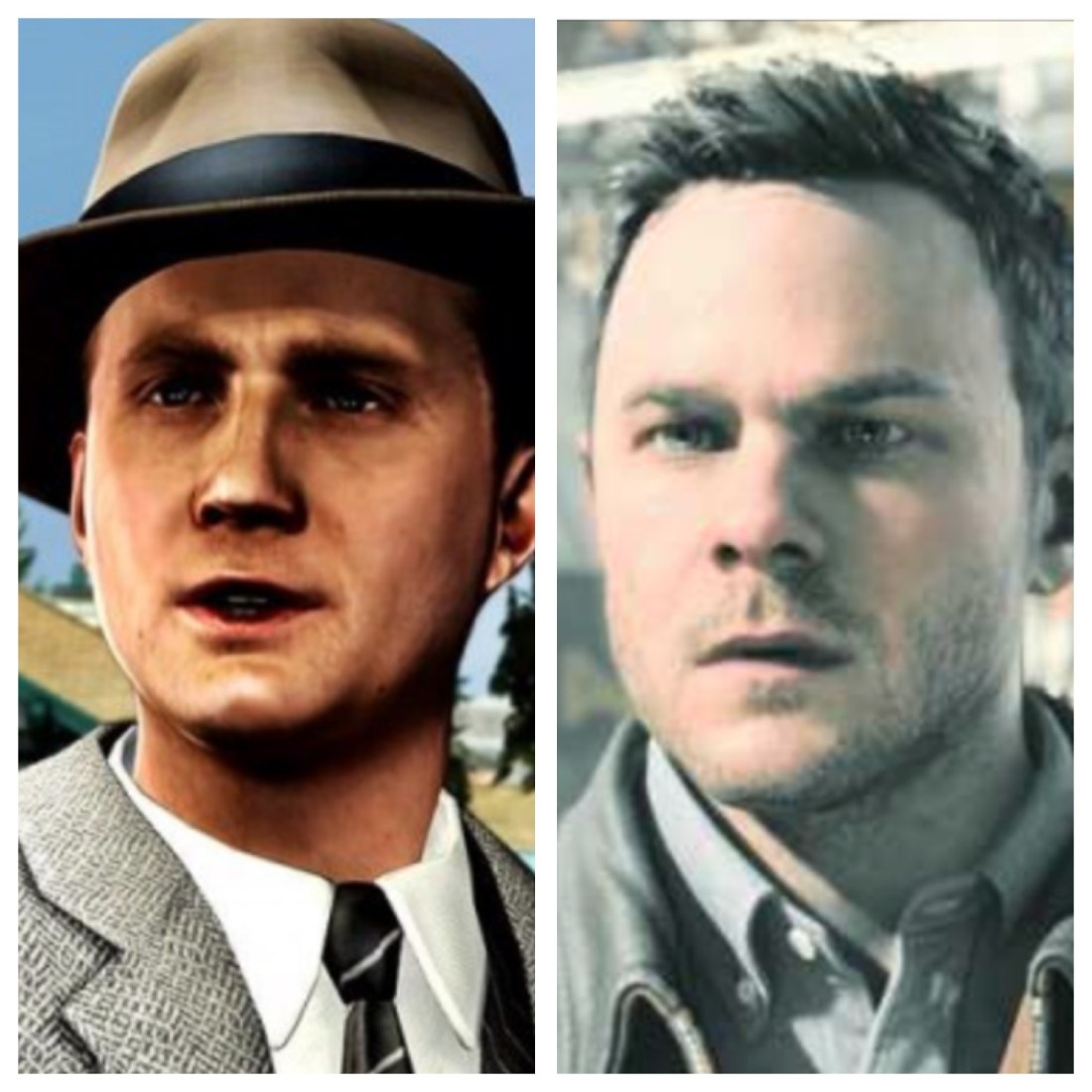
While it doesn’t get off to the best of starts, kicking off in the most irritating of styles of cinematic storytelling – showing the very end of the game in a painful recap. Now, I’m a fan of non-linear narratives, but in gaming there’s nothing more irritating than knowing that eventually, I’m going to end up in custody speaking to an annoying woman who wants to know my inner most thoughts and secrets. Kind of takes any fear out of the countless situations I’m about to be thrust into – knowing that no matter what I do, I’m getting caught and that’s that. My other irritation of the intro is trying to work out who the hell Jack Joyce is and where you’ve seen him before… it took me around 3 Acts before I finally clicked he played the ice dude in the X-Men franchise. Anyway… There’s one moment of refreshment in the intro that actually filled me full of excitement. The first time we see Shawn Ashmore’s face close up, you realise the impressive capabilities of Remedy’s NorthLight engine. The facial recognition is astounding and by far the most realistic I’ve seen in a VG title. Rather than forcing itself to the forefront of the gameplay, like LA Noire’s then-famous MotionScan technology, and make you try to figure out the depth of the character’s sincerity, the facial expressions in Quantum Break only exist to compliment the gaming experience. They smartly and subtly add to the cinematic and multimedia experience that Remedy have aimed to achieve.
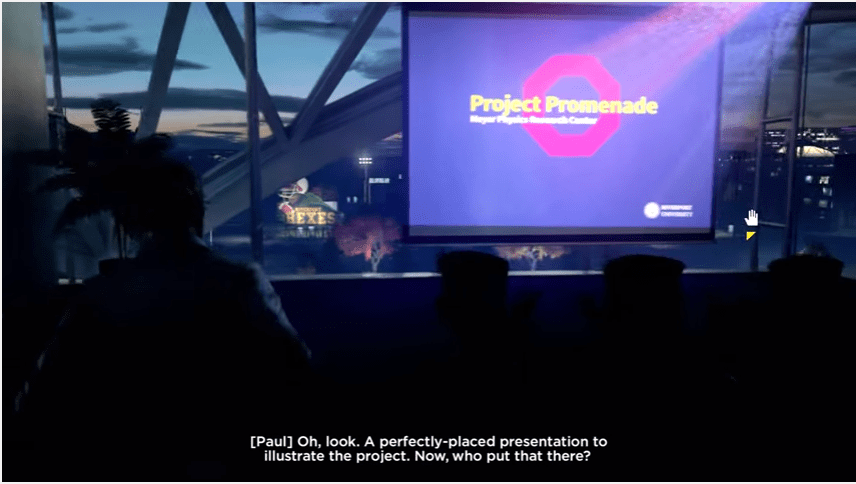
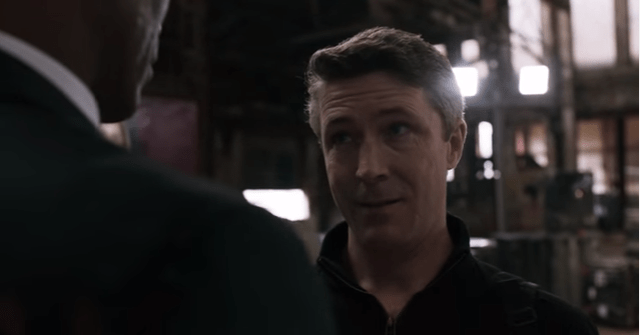
Moving on to the first ‘Act’ and we’re placed into that Half-life world of waiting, patiently preparing for the equilibrium to be distorted and a point set of no return. Walking around, scanning items of seeming insignificance to earn XP and a semblance of backstory while knowing that no matter what we do, all hell will ultimately break loose and we’ll be back in an inverted version of this world by the time the cutscene ends, the cigarette’s smoked and the kettle’s boiled. While this doesn’t disappoint, It’s exactly as you would expect. While games like Half-life got this perfect, QB struggles with the narrative to the point where you almost feel like you’re sitting through a timeshare presentation just to get the free gift at the end. In fact, that’s almost literally what you’re made you do at one point when your old pal Paul “Littlefinger” Serene calls you out of the blue, invites you to his building and makes you watch a full, unskippable presentation on his life-changing invention. Now it’s easy to be critical of Remedy, it’s their first foray into a serious story with a recognisable cast and while the opening level may begin painfully dull, delaying the inevitable actually adds something to the game. It establishes a tension between pro and antagonist that will force a rivalry throughout time. So I’ll happily let this minor inconvenience go for the sake of the greater gaming good.
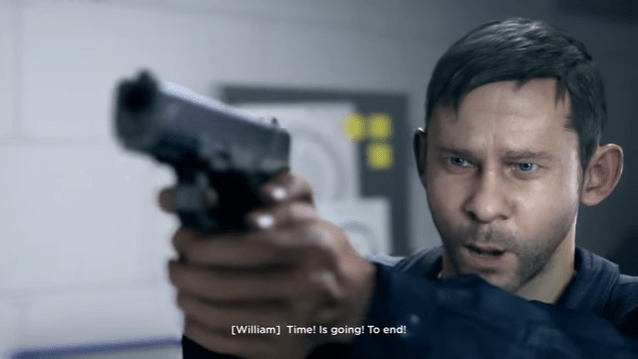
Skipping forward, past a painful West Wing-style walk through the soulless, corporate corridors, we finally discover the time machine. It seems Serene needs your help to conduct his first ever experiment for reasons revealed later. Right now, I’m expecting a future Serene/Joyce to rock up and remind him to set his watch, but instead we’re treated to another familiar face. Joyce’s brother William appears and its part time Hobbit, full time irritator Dominic Monaghan. He arrives with some eerily prophetic warnings but in spite of them, the Time Travelling experiment goes both ahead and terribly awry. The machine has caused Serene to be thrust back in time and has caused a fracture which is slowly imploding everything around the “ground zero” in which we’re stood. As the world around us begins to spiral on a one-way trip to the destruction of time as we know it, explosions start and the screen begins to flare. However, we quickly notice something’s happened which we weren’t expecting – the noise has stopped. Time is slowing down (a-la Max Payne) and in places even freezing (a-la Zack Morris, Saved by the Bell). Okay… now it’s getting interesting – but not before we must be spoon fed that pressing up makes you go up, down makes you go down and trigger fires. At this point we’ve sat through a painful 12-hour install, 90-minutes of story set-up and a half dozen cut scenes and we’re all desperate just to get stuck into the gameplay. In no way do I neither want or need a painfully samey tutorial highlighting the basics of character movement and again I am made to wait a little longer before being thrown into the action that the trailer had so heavily promised.

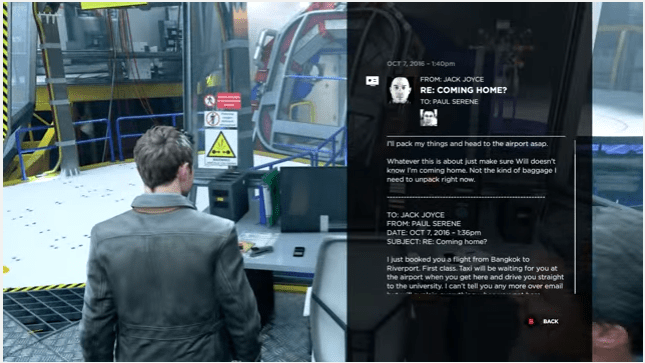
As we play through the remainder of the opening Act, there’s a familiarity to the game. It handles like a generic 3PS and doesn’t have any real fluidity. It’s also an extremely linear level that gives you the illusion of choice while leading you exactly where it wants you to go. For instance, while trying to escape the campus you’re given a choice of 6 doors in a corridor to choose from – only drawback being 5 are locked and only one actually opens… you catch my drift. Time is slowing down around us, but that doesn’t lessen the haste. We must escape as quickly as we can before the whole building erupts. That said, the game doesn’t give you the sense of urgency it should, instead, it reminds you that the first level has 16 different collectibles and by blindly running away from it, you’re missing out. This isn’t an open world game where you can go back at a later date, miss collectibles and you’ll have no chance to return and pick them up – something profoundly irritating, particularly for achievement hunters and wannabe 100%-ers. What I did like was that the collectibles here are akin to ‘Fallout’ or ‘Half-life’, where we find ourselves scanning computers and reading random e-mails to discover pieces of a backstory jigsaw. It’s not spoon-fed, the onus is wholly on the player to unlock more of the story.
As we waste time trophy hunting before finally getting to the exit, we’re met with a game-defining moment, Serene shows up and kills your brother – who you weren’t particularly fond of anyway but are now understandably devastated at his death. Cue your new mission – to go back in time, stop Serene, save your brother and save the world. The problem with this plan is that we all know there’s no changing the past. This isn’t some wacky, ‘Hot Tub Time Machine’ style comedy where Joyce can go back with a sports almanac, get super-rich and re-invent Google, we know very early that this is a set in stone timeline and no-matter what you try to do, there’s always going to be an explanation as to why it’s impossible to achieve. Joyce’s reluctance to understand and accept this interpretation of time travel is actually quite a useful mechanic as it gives the narrative ample chance to lecture the gamer via the protagonist.

I have to say, it seems that Sam Lake and his team of writers have managed the time travel paradox incredibly well. The level of detail is equally as scientific as it is vague to make the gamer feel that it could be plausible without making them think too hard. In this age of gaming, you really have to make sure that you’re coherent in your storytelling and all elements of it must be perfect. There can’t be any flaws in your logic, there can’t be any mistakes in your theory and you must be aware that every action has a consequence. Assassins Creed got around this quite well with the theory that you’re playing memories so you could never affect the future with your actions in the past and if you tried, you’d just be disconnected from the Animus. However, as sequel after sequel was produced and the AC franchise got better, the plot just got more and more confusing. Particularly by the time we came to Black Flag with the whole John/Sage subplot boiling over into the real world. First playthrough, this went completely over my head and made me think, is this time travel? Is it re-incarnation? The reason I struggled to comprehend this was because it’s largely explained as re-incarnation within the present day stuff, which I tended to either skip or drift off to sleep while playing. I mean, who thought it would be a good idea to take me out of plundering the seven seas as a bad-ass pirate to instead wander round an empty office block, hacking computers to unlock concept art?! Anyway, you get my point and while Quantum Break didn’t exactly fall into the same trap, there’s a definite feeling that you’re running through the game with your shoelaces tied together, trying desperately not to trip up. While Lake & co. always manage to keep you on your feet, we only just cross the finish line without falling on our arse … just.

Once we finally end the first Act, we encounter our first episode. Great Scott! Something new and unseen in gaming. The gameplay Acts weave in and out of a 4-part live action miniseries that effectively exists to fill in the gaps between levels. Wondering what series you and the other half are going to sit and binge on Netflix next? Well, this certainly isn’t it as, unless your partner wants to sit and watch you play for 3 hours between episodes, it’s not strong enough to stand alone. It’s a failed experiment because the seasoned gamer who has only just got a taste of the action will want to keep playing and most won’t have the patience for a half-hour cut scene. While it’s well acted with a recognisable TV cast, It just makes me think the publishers really don’t know who they’re catering for. It’s almost as if it’s for a sub-category of media consumers and the more you watch and play, the more you feel like this is the result of a meeting room round-table gone horrible wrong – where blokes in suits are shouting words like “synergy”, “second screen” and “cross-platform” at a team of bewildered writers and interns, hoping they’ll deliver a profitable return for Q4. It’s a nice idea, but it feels like a tactic to prolong what’s essentially an 8-hour game into more than a weekend’s worth of play. It’s told entirely from the perspective of Monarch employees, meaning it’s almost Joyce-less and it has that under-budgeted feel you’d expect to see at 10pm on Syfy as the bridge between ‘Defiance’ and ‘Sharknado’. They are skippable, but be warned – if you do leap past them, prepare to complete the game very quickly.
The first game I can remember doing something like this was “Enter the Matrix”, when Jada Pinkett-Smith and co. signed on to do the cut scenes at the same time as they filmed ‘The Matrix Reloaded’. That game is probably the best comparison I can draw to Quantum Break, as it too weaved in and out of a live action story, had slow motion game mechanics with surprisingly stiff controls. Like ‘Enter the Matrix’, QB needs that sequel, it’s ‘Path of Neo’, to really straighten out the awkwardness we feel when playing the game. Given it’s (supposedly) an action-packed, story-driven hybrid of a 3PS meets hack-n-slash – I should love this game, however, I can’t help feeling I’m replaying ‘Watchdogs’ where the anticipation and expectation was too high to deliver against. The idea is good but the execution falls short of other games who have mastered similar and simple mechanics. In fact, I’d maybe go as far as saying that even ‘Max Payne 3’ did a better job on the bullet-time… okay, maybe that’s a bit too harsh… but it’s certainly not too dissimilar.

Every fight scene is an arena battle. An inescapable bowl or bubble where you must defeat all enemies to move forward to the next platform. At first we think, “this is a piece of cake – I’ll stop time and go and knock them out…hold my beer…” While that’s true for Act I, the rest of the game isn’t that easy and with the increase of each level there’s a counter introduced for your superpowers. Potentially the toughest of which are the ‘Stutter Soldiers’. Yep, Monarch has created suits to make certain bad guys immune to the time cracks and if that’s not bad enough, they’ve also armed them with an obscene amount of machine guns, grenades and a health bar of a mid-level boss. These soldiers can slow down time and move just as quickly as you so, if you’re not in focus, they can get close to you in the blink of an eye – meaning it essentially becomes a slow motion cat-and-mouse chase until you can get a clean shot on their packs and make them explode. It’s kind of an obvious move really, I mean, even Sonic the Hedgehog’s most feared enemy was a robot version of himself, but while I wasn’t expecting it to be easy, it just doesn’t feel very inventive.
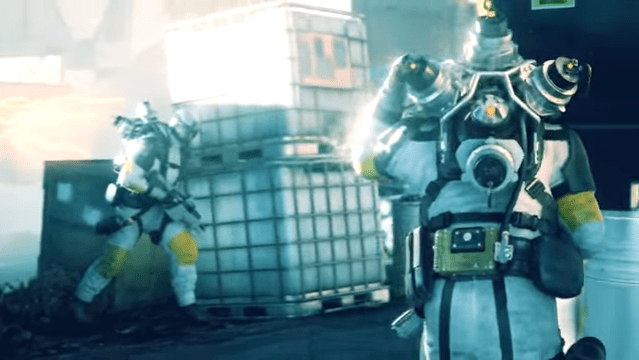
As the game progresses, I do begin to really get sucked in. The story is immersive and the combat becomes increasingly more strategic. There’s ‘Tomb Raider’ style platform-puzzles to solve which uses Time in an inventive way, such as finding a broken elevator and rewinding time to when it was functional. There’s a few tough fight sequences too that made playing on a hard difficulty setting really good fun, I died a lot more than I was expecting and when it came to the end of Act choices – I felt like it really mattered. I deliberated over my actions a lot more than I would have done in other story-based thrillers, or in a Mass Effect. These choice junctions were nicely juxtaposed too – as you flipped to Serene to make the choice. There was no need to follow your moral compass, because you’re making the decisions as the bad guy, so hey – go nuts, kill people, what does it matter to Joyce? It also added a level of replay value as it affected the mini-series, making them more than just half hour cutscenes.
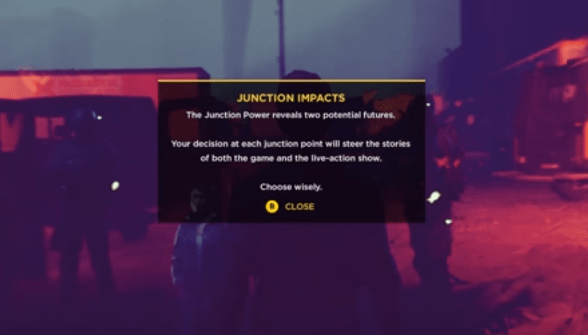
What I really like about the choice junctions are that they actually show you the consequences to the actions. So there’s no trickery into making you think you’re doing right by doing wrong. Each path is uniquely as beneficial as it is troublesome and it’s up to you on the flip side to make that choice. Very nicely done…

It was great being back in the ‘Max Payne’ style world too, albeit it with a non-noire, futuristic twist and, while it’s reluctance to follow it’s lineage would irritate most, it was a actually a welcome break from the fallen hero narrative we’re used to to. It was also good to go back to a very straightforward game which I could blitz through entirely in a weekend. The marketplace is flooded with 50hr sandbox games and it was a light relief to finish something definitively in a short space of time.

The game is fast paced in places, but falls short of hitting the magical 88mph mark that would have really set this game apart from others on the market and give it that instant replay value that so many actioners have. What saddens me most is that it was a really good attempt that just doesn’t quite hit the heights the hype promised. Well written, smart and visually stunning, no-one can deny that it’s undoubtedly enjoyable, but I get the feeling their experiment has failed and I doubt we’ll see another foray into this genre for the next 7-8 years. Those pesky suits will no-doubt be dismayed with the mediocre game sales which saw the high-budget title shoot straight into the £20 bargain bucket just 2 months after release. I’d expect less Quantum Break’s and more Alan Wake’s over the next decade as Remedy will no doubt look back to it’s steady, noire hand in the next few years.

In fact, Quantum Break stirs up the memory and the nostalgia of Alan Wake in two ways. Firstly, the Xbox One version gifts you Alan Wake as a backwards compatible 360 game as part of your purchase so you can dive in for another playthrough but also contains a number of hints references and Easter Eggs throughout the game that makes you long to play the catalogue. This wonderfully dissected analysis of the game’s plot on a chalkboard in one of the classrooms on campus shows how much fun the designers had in making this title – but also how much they must be longing to produce a sequel.
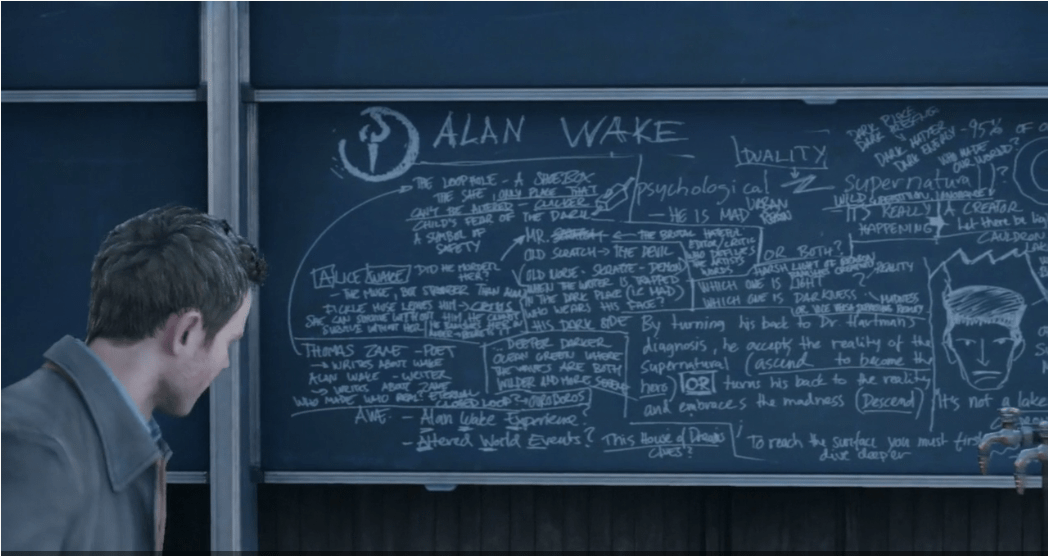
(Hmm… a new Alan Wake… perhaps a Blast from the Past of the original is in order…)

As we learn from Quantum Break, we can’t change the past but time certainly changes everything. I waited a year to play this as a second wind and I’m glad I did because I get the feeling that the real victory for this title will be how well it ages. Like Max Payne way back in ’01, Quantum Break could be a silent game changer. A memorable gaming anecdote or a pub quiz question about which title was the forerunner to the highest grossing game of all time. I’m sure other developers will take Remedy’s idea and push it further but say I’m wrong and they don’t, Quantum Break certainly has the potential to be the game that we’ll look back on with real fondness in 10 years’ time that’ll make you dust the cobwebs off the old, Xbox One and set aside an afternoon with a few beers and nostalgically revisit with a grin….a grin of a winner…

April 2016 | Developer Remedy Entertainment | Publisher Microsoft Studios

platforms Wins, XO

Bioshock

An Agree To Disagree Review

As 2K’s FPS turns a decade old, FBT & TheMorty go head-to-head as they replay the original deep blue, sci-fi classic.

Rescue by FBT

There’s a lot of games I love, but Bioshock is as close to my favourite as is possible. At its core it’s nothing new – We make our way through relatively linear levels killing anything that moves; It’s a shooter and conforms to shooter standards. But that’s just FPS DNA and Bioshock DNA can be altered, changed, spliced … The setting, a city beneath the sea called Rapture is more believable than most ‘real-world’ game environments and the enemies are as much victims as villains. Most of all, it has a complex plot that you get tangled up in; a story that like a good book, you disappear into. All in, Bioshock adds up to an experience that transcends its medium – like all good art.

FPS as a genre is just digital Cowboys and Indians and usually you have the same emotional attachment but Bioshock got under your skin like a plasmid. It has adult inferences, plot plots and themes – it’s a grown-up’s game; you ponder the values and philosophies while surviving a complex horror that evokes the uneasiness of Stephen King and the sickness of cinema’s Seven as much as Ayn Rand’s Atlas Shrugged, from which Irrational took their inspiration. While many games are adult due to their content or appropriateness, Bioshock is just thematically mature, intellectual.

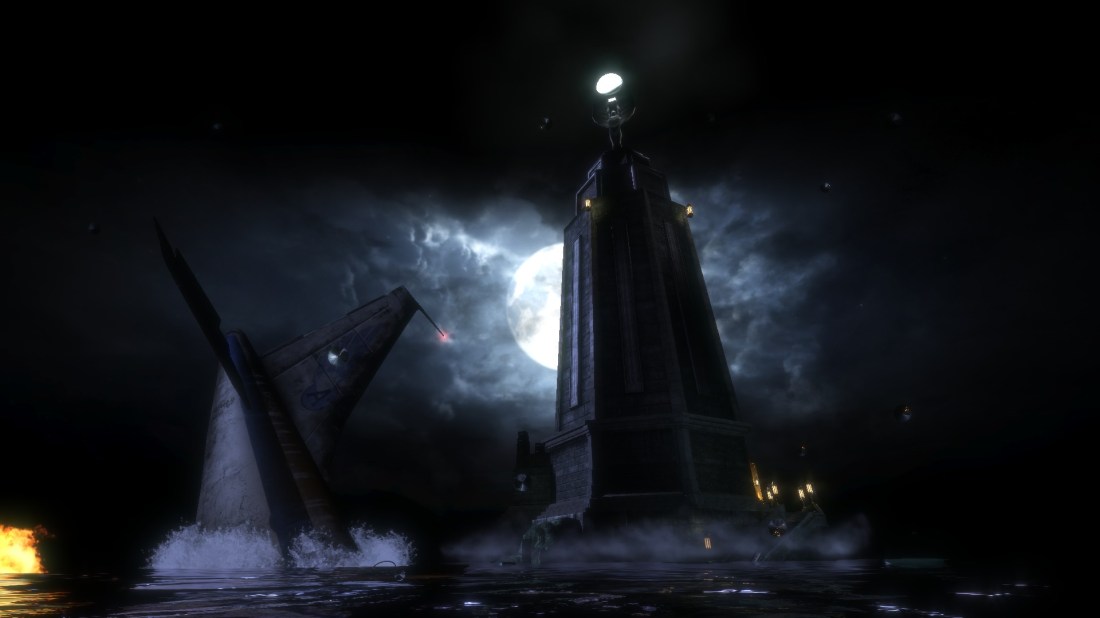
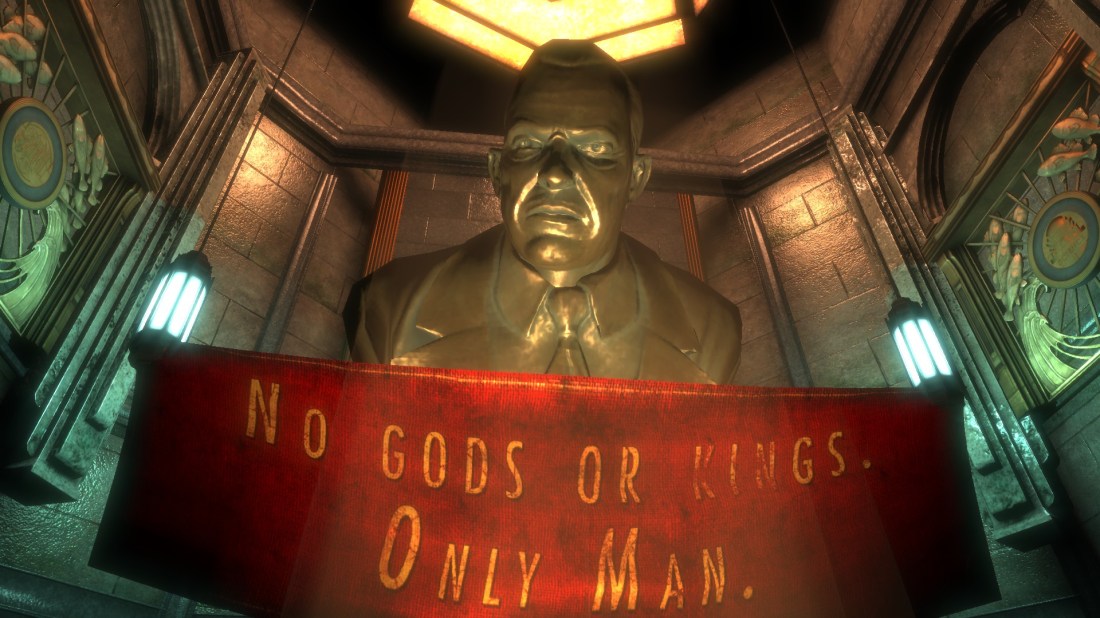
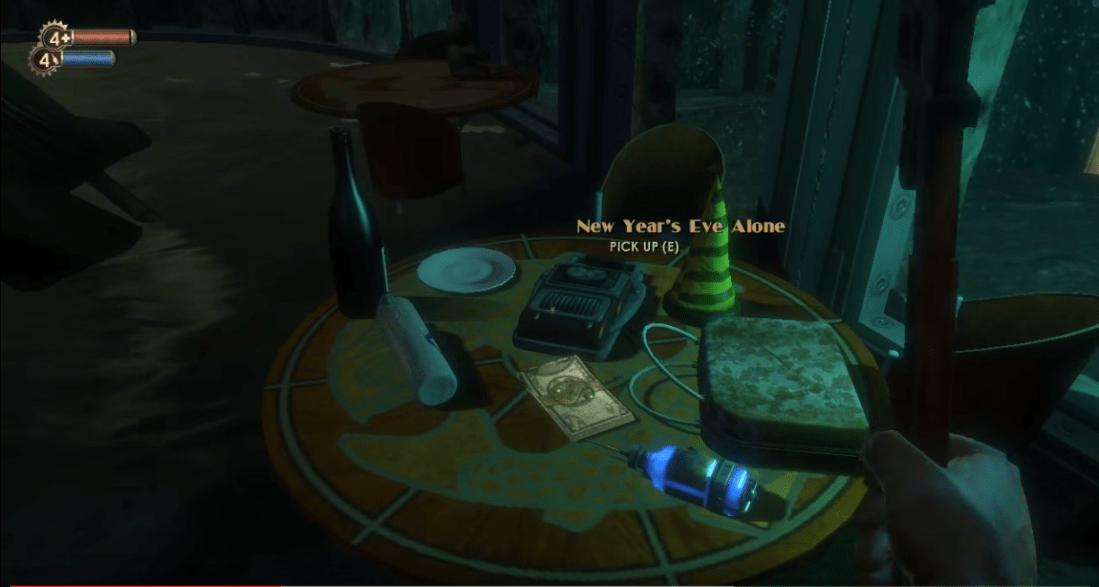
Andrew Ryan, a Howard Hughes-style industrialist created Rapture as a place ‘where the great would not be constrained by the small’; namely the ‘parasites’ (government meddling, religious belief, the less fortunate) – only the Self mattered. Freed of morals and regulation, Rapture made huge if questionable advances in the pursuit of art and invention – but those geniuses needed someone to pick up after them, to serve them drinks, to stop the place flooding and that created a class-struggle comparable to Metropolis. Along with those who failed to succeed, a destitute and disregarded under-class formed. Into this mix was thrown ‘Adam’, a DNA-splicing substance found in sea-slugs which was used to create Plasmids, tonics which gave the users remarkable abilities. The denizens of Rapture abused this latest fad as a distraction and edge on competitors while others turned to religion to help contend with the isolation, but the biggest change was the success of Fontaine, who owned the docks bringing in the slugs. Fontaine’s power rivalled Ryan’s (who knew a conman when he saw one) – he responded by ‘removing’ Fontaine and nationalising his industries; an act of government and the beginning of Ryan’s slide towards the dictatorship he once despised. Meanwhile a working-class hero rose in the shape of Atlas. Supported by the under-class, Atlas declares war and Ryan seals his own fate. He orders Adam be infused with a pheromone so he can direct those addicted to it against Atlas – compromising his one belief; the Self. And it’s just as Ryan and Atlas are at a stalemate that our Silent Hero lands. Now that’s a backstory. And best of all, none of that is in an opening cut scene. Instead, we’re deposited into Rapture via a plane crash. Gasping for air surrounded by fire and debris, we spot a forlorn lighthouse and start swimming. As we piece it together, we realise Rapture’s story isn’t over yet.

Arriving in Rapture is like being dropped into Paris in the midst of the Nazi occupation. Underneath all the decay is a beautiful world at the height of art and refinement. Picking your way through the rubble there’s a persistent sense of horror – the kind you can’t see, the kind you build up in your own mind, the best kind – it rotted on the inside as well as out yet you can picture upper-class Rapture folks enjoying cocktail parties and taking in shows; it’s so real Rapture could actually be out there, somewhere. There’s water leaking everywhere, it groans and creaks and gives way; it feels like an incredible achievement and a folly, built through sheer will. The light from the city gives us glimpses of the seabed but it’s not the Great Barrier reef or warm blue tones with god rays from the surface; it’s dark, dank and cold – there’s nothing, no escape, no leaving, nowhere to go. You start to feel contained, claustrophobic and understand why the Rapture citizens eventually fell into abuse and extremes; under the art-deco façade is an oppressive, pressurised place. Audio recordings reveal the struggles and it feels as if most people lived in fear it would collapse in on itself at any second; instead it was society that couldn’t handle the pressure. Splicers (those deformed by Adam and controlled by Ryan) were just caught in the middle and we’re in the middle of it too; this isn’t just a case of a heroic ‘you’re the only one who can do this’ as we cut a way towards a boss battle, turns out we were always the only one who can do this.

As we fight our way past those wretched addicts to reach Ryan, locked away in his office as his Rome burns, Bioshock is revealed as a solid shooter. The Splicers attack on sight but they’re sorrowful creatures crying out for lost loves, apologising for horrific acts (‘I found her like that’), clinging to some memory of a better time while they search desperately for their next Adam fix. Dressed in 1940s attire with masquerade party masks to hide their deformities, they leap, scuttle and in later levels, clamber on ceilings to ambush. They fire guns and use plasmids too but they also attack with fish hooks, pipes, anything they can find. And then there’s the little sisters.

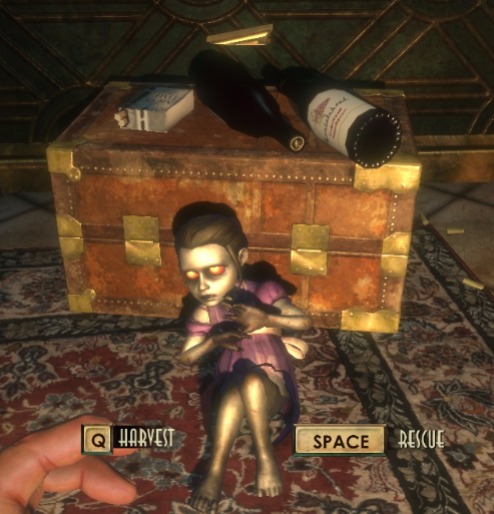
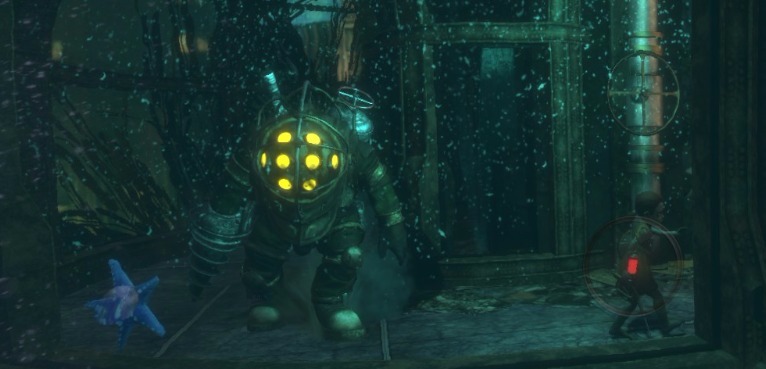
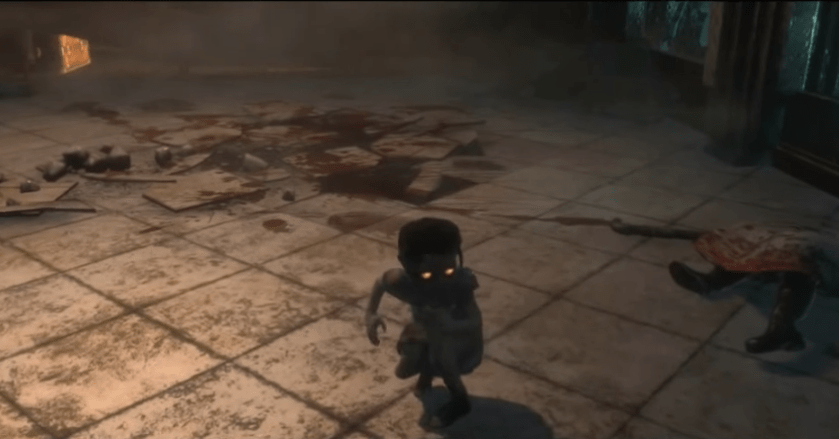
Roaming the corridors, playfully singing and dancing, the Little Sisters were once young girls now brainwashed into drinking the Adam-infused blood of corpses littering Rapture’s corridors. If that wasn’t sickening enough, they do this to feed the slugs implanted in their bellies, filtering the Adam for collection. That makes them invaluable. And that’s why they have Big Daddy. Hearing one clumping about fills you with a mix of dread and excitement. They’re horrible, sad things. Somewhere inside that stinking hulk is a man, stripped of his individuality and driven only to protect little sisters, moaning and calling out for her. Seeing them be gentle with the Sisters just breaks your heart, and seeing them tear apart Splicers also breaks your heart. I have to kill that thing? Once you’ve put him down though, you have the most infamous moral-choice decision in gaming. Kill or save a little girl. Seems like a no-brainer and the first time you face it, with her cowering in the corner it’s effecting. We’ve been told there’s still a little girl in there somewhere; we’ve also been told the girl is just a husk and killing her to get the Adam is the only way you’ll survive down here. It’s you or them. That’s not cowboys and Indians.

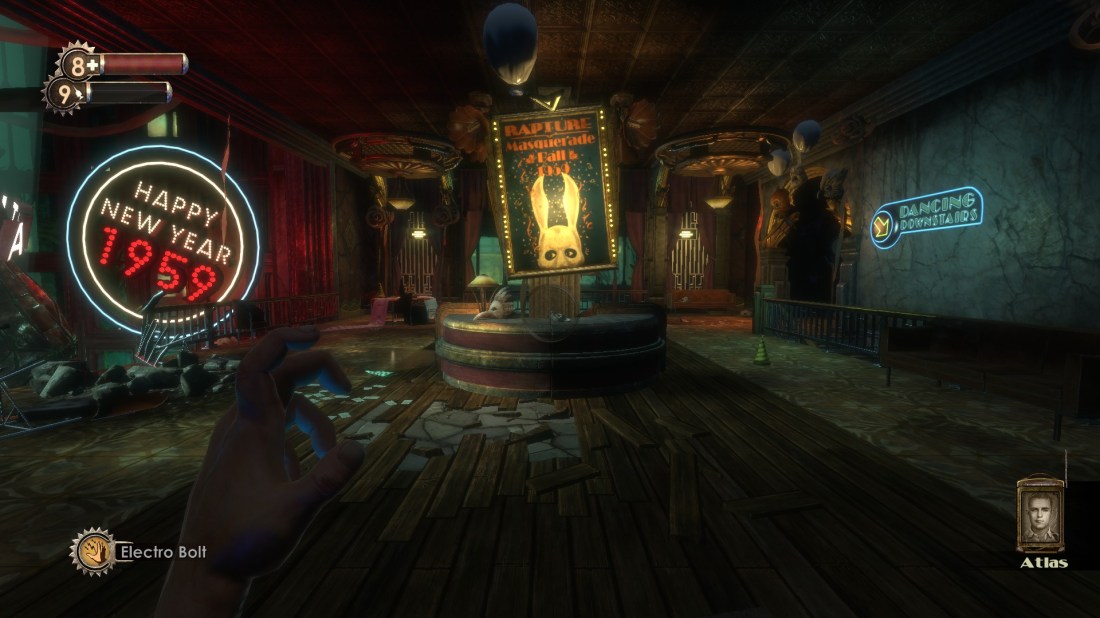
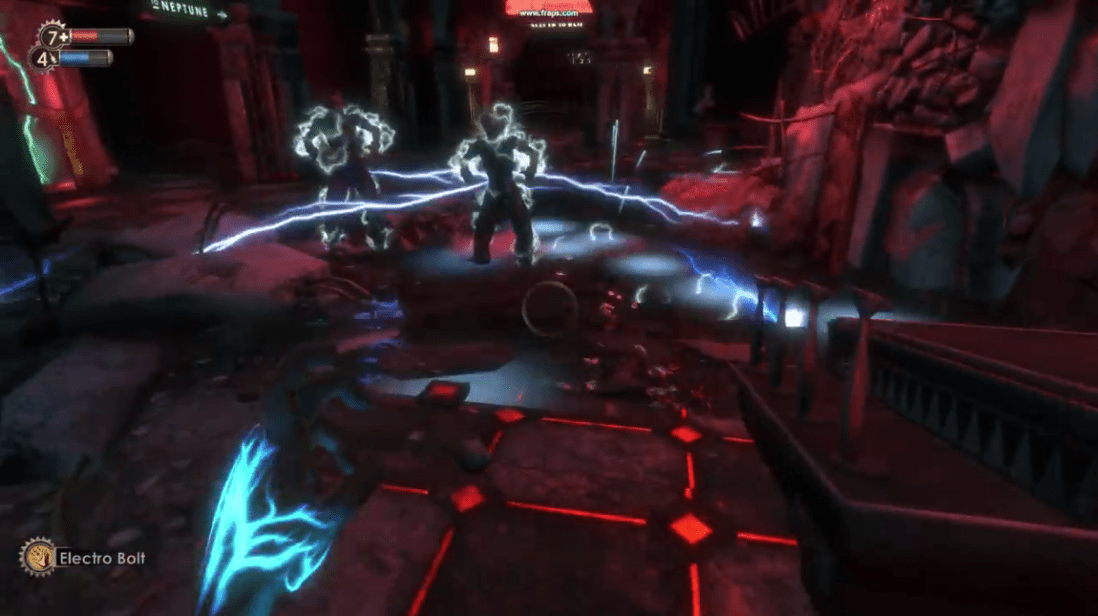
The weapons we use are familiar but the real shooter selling point is the Plasmids. Electro Bolt to stun or electrocute Splicers, Incinerate to chargrill them or melt ice. We also get to launch swarms of angry Bees, hypnotise Big Daddies and so on – they are a variation on any fantasy game’s spell casting but they’re hella fun and seeing adverts for Plasmids as life-aids and health tonics you realise how desperate this war became with everything, including people weaponised.

By the time we reach Ryan, we have mixed feelings – our Silent Hero has seen a lot of loss, horror and sadness, and it is completely Ryan’s fault. We should be ready to murder him but as we find him holed up in his office playing golf, both resigned to his fate and unbowed we feel some pity, and a little intimidated by this giant of a man. Ryan’s control of the Splicers seemed like his final mistake, but there was one more. It’s the biggest twist in gaming and Bioshock carries it off with such class that Ryan’s words -a man chooses, a slave obeys- haunt you. Partly because Ryan was right. I’ve never been angry at myself as a character before. I am a slave.

It’s true that this scene is as incredible as the rest of the game is a let-down, experience-wise. It continues to be a great shooter, a beautiful environment and an unsettling journey but it’s much more generic after this. But the ending saves it; easily one of the most moving, satisfying cut-scenes of all time – assuming you took the ‘Good’ route. If you took the bad, it’s amazingly dark. Bioshock is as close to art as gaming ever has gotten, that it’s a great shooter as well just makes it perfect. At the start, we descend to the city and hear Ryan’s pre-recorded welcome ‘with the sweat of your brow, Rapture can become your city’ – it has.

I’ll be in Rapture forever.

Harvest by TheMorty

2007. A year when gaming just kept releasing more of the boring same. Call of Duty 4, Halo 3 and Half-Life 2 were the top sellers as the market drowned in a flood of sequels. As developers went for the tried and tested money spinners, no-one was brave enough to release anything remotely unique in the FPS genre. That is, until Bioshock came along. At last we had an FPS that was diverse enough to move away from the traditional setting and immerse you in an unexplored location under the sea. One of the biggest mysteries of Planet Earth regards what lies beneath – with over 70% of the it being water and around 95% of that yet to be explored – absolutely anything could be down there. Until Bioshock the closest we’d ever got to exploring the blue was SEGA’s Echo the Dolphin some 15 years previous. So it’s fair to say there was nothing like this game in the FPS genre – or in any genre of gaming at all. With my hopes high I headed into the first playthrough, but was bitterly disappointed with what I encountered.

It starts with a fantastic opening sequence where a plane crash sends us tumbling into the drink (a fitting example of why it’s against the law to smoke a mile high). As we surface, an Art Deco lighthouse, miles from civilization greets us. Inside, a strange orb awaits which plunges us into a world beneath the waves. At first, I was astounded by the lure of what resembles a 40-fathoms deep Las Vegas but that’s all smoke, mirrors and an unhealthy dose of make-up. The hidden truth is that Rapture is a rundown world full of nothingness. With the exception of the odd scripted moment where of a shark swims by one of raptures many dirty windows, we never truly get to experience life on the ocean floor. All bar one level you’re indoors and even that brief flirtation with the water is just you trying to get from one building to the next. The entire game could be set in a rundown motel and you wouldn’t really notice the difference – as you spend most of your time going room-to-room in the hope you’ll find a shred of ammo, a half empty Adam refill or an Audio Diary to give you a resemblance of backstory.

See, the well-hidden Audio Diaries are very important to your gaming experience since Bioshock is not driven by cinematic cutscenes. Rather frustratingly, there’s a couple of Quicktime moments at inopportune times and you really have to rely on your own discovery to advance your understanding of the plot. Many first-person games have taken the collectible route, classics such as Doom, Half-Life and the recent Fallout sequels are advocates of this technique, but in Bioshock, this doesn’t have the same effect and instead makes the story feel stale. When you have to stop to search every room in the building to make sure you don’t miss a second of the story, it prevents you from feeling fully immersed in the survivalist nature of the game. This might work fine in an RPG where you there’s a slower pacing, or you can return at a later date if you miss something, but in a linear FPS the collectible aspect really feels out of place.

Mechanically, Bioshock isn’t a bad first person shooter but what makes it feel stiff is the lack of dual wield functionality. BS2 clears this up, but theirs a gaping hole in the first game that the plasmids alone can’t fill – as your ability to react to deadly situations is severely limited. The choice between going into battle with a plasmid or a pistol often leaves you frantically switching back and forth as quick as you can to avoid ending up dead. This is particularly annoying when fighting Splicers that love close quarter combat – by the time you switch over to your gun, you’re already dead.

Mind, I shouldn’t really complain about the difficulty of this, especially when you consider how easy Bioshock is to complete. Even playing on ‘Hard’ difficulty, you know that the worst case scenario post-death is waking up in a Vita chamber with no re-spawned enemies or reloaded checkpoints. Getting out of your chamber and carrying on as you were doesn’t have the same impact as the Borderlands model where one wrong move and you’ll have half of your wallet wiped out – now that’s a real fear of death!

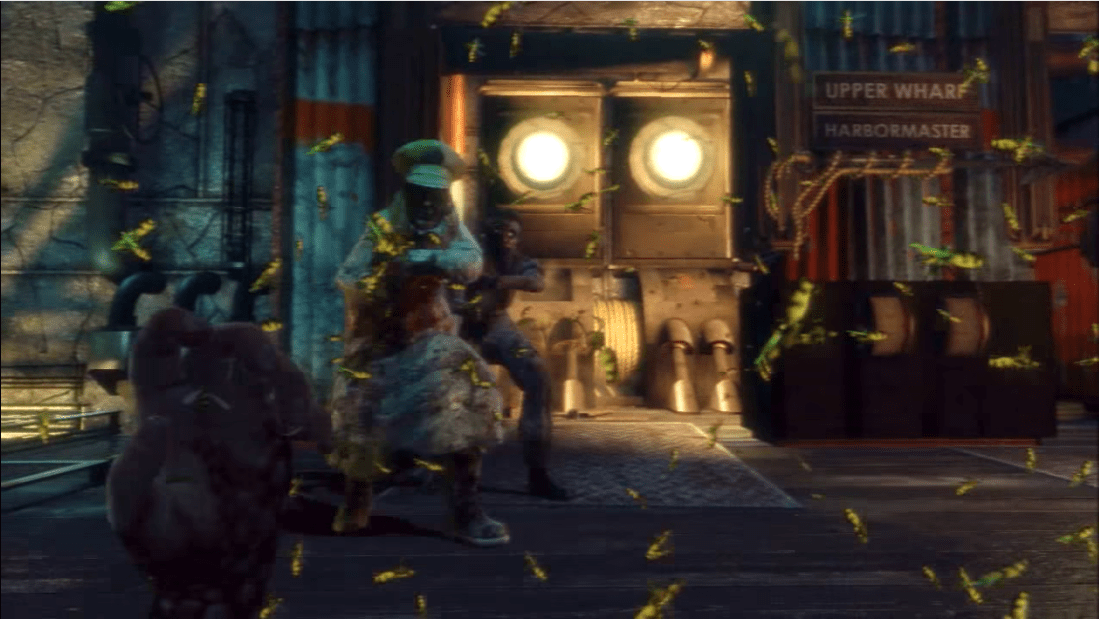
Despite the lack of slots available for your plasmids, forcing you to choose the few you want to carry at the annoyingly scarce vending machines throughout Rapture, I concede the biotic weapons are pretty cool. Sadly, the more these plasmids level up the more you realise just how easy they make the game. Those cold, dark alleys where you would usually approach with caution become a breeze if you fire off the Insect Swarm and send a hive of Bees off to attack any of the targets in the room. That particular strategy gives you the heads up of who is hiding and creates ample time to prepare for your assault. Checking out the terrain in Bioshock is an indication to whats ahead and gives you fair warning of what’s to come. If ever you see a pool of water on the floor, you can be guaranteed to encounter some villains up ahead – so best get the Electro Bolt ready and prepare to zap the floor. The copy and paste nature of the environment in Bioshock makes the game too predictable and you become lackadaisical, often ploughing through each level with an air of invincibility, hardly breaking a sweat. What should be a taut, suspenseful thriller ends up feeling like a joy ride and while that can be enjoyable in the right setting (a la Bulletstorm) Bioshock just isn’t that kind of game, often it feels like that movie that you end up laughing all the way through, not realising it’s supposed to be a dark drama.

The little sisters are an eerily odd touch. They’re designed to play with your morals and emotions. You can waste an entire cache of ammo defeating a Big Daddy protector, only to be presented with an obvious choice. While killing a child or rescuing her might seem like a no-brainer, this isn’t a straightforward Paragon/Renegade decision. Atlas tells you to kill them, after all, they’re just husks masquerading as children and they’re no different to your average splicer. They even have this evil Gollum look about them to try and push you to making the right decision. Atlas also informs you’ll be heavily rewarded for harvesting them and have a shed load more Adam at your disposal. So at this point, why wouldn’t you kill them? You’ve trusted Atlas implicitly to now – so why would you go against him? He’s your ticket out of here… your voice of reason… What Bioshock fails to tell you is that IF you follow him – you’ve made one major wrong move and it’s effectively killed your game. Sure, you can still carry on to complete the game – but harvest one Little Sister’s power and you’re condemned. There’s no majority winner, there’s no chance of redemption. No matter what you do after this point you may as well just kill them all. The only way to get the good ending, is to Rescue every single Little Sister you meet and making even one ill-informed or uneducated choice kills any chance of that for you. It’s feels a bit unfair…

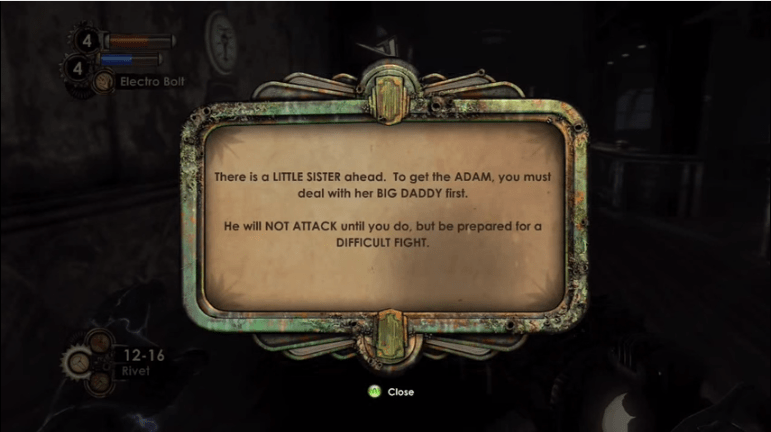
Their Big Daddy bodyguards are seen to be ruthless, killing machines. You’re shown not to mess with them very early on as you see them mercilessly take down a group of splicers through the safety of some unbreachable glass. However, in reality, they’re not all that hard to defeat. Firstly, a Big Daddy will only respond when provoked or when his Little Sister is under attack. If you have a few villains on your tail then, fear not, just lure them toward a Big Daddy and take the easy way out as he’ll destroy them without opening fire toward you, allowing you to hide behind them like it’s your big brother on the school playground. When it’s time to kill them, you get time to set up the room and catch them off guard. You’re given free reign to set traps and hack turrets to make stabbing the Daddy in the back all the easier. Again, this makes the game very easy to beat and takes any suspense out of the level. You’re even given a warning the first time you encounter one which I absolutely hated. The first encounter could have been magnificent and been a trial and error of terror, where you brick it and open fire without realising what you’ve done. Instead, the mood is well and truly killed!

The antagonists are quite frustrating and neither are really Raptures Darth Vader. For the first part of the game we’ve been solely focused on killing Ryan. Sure, we’ve had our head filled with conflicting stories from both him and Atlas which does add a bit of mystery to the plot, but when you finally encounter him it’s all a bit pointless and surreal. After an astonishing plot twist, Ryan gives you a command that you can’t not obey. While this is certainly apt and helps the story to pick up some much needed pace, it’s incredibly frustrating not being able to pick a side. Despite his cries of “a man chooses – a slave obeys” you end up obeying regardless and you are unable to do anything about it – even though you know your impending actions are inherently wrong. It’s such a pivotal moment that sends you off on a revenge driven rampage, but being given a choice and only having one option seems a very dated mechanic. It would have been much better had we acted without knowing the truth and only discovered it afterwards.

As FBT argues, Bioshock is as close to art as gaming gets – and that’s certainly hard to disagree with. The art-deco paintjob throughout the halls mixed with a 1920’s soundtrack is certainly something we’d not seen in shooters before and has undoubtedly inspired games which have come after it. It won a number of high profile awards and it does have a distinct style that is very unique in the marketplace. However, like all art it’s true worth lies in the eyes of the beholder and one man’s Picasso can easily be another man’s Damien Hirst. So for FBT, this game is a timeless classic that he looks on with great fondness. For me, it’s a glass case of maggots feeding on a rotting cow’s head.

2007 | Irrational Games | 2K

win, xbox 360/One PS3/4

Star Trek Elite Force

A Blast from the Past review

FBT goes boldly where no gamer has gone before. To replay a Star Trek game.

The Past

One of my earliest memories is of my Mum turning off the Star Trek episode Arena ‘cos the Gorn scared me. From then, I was a trekkie. But I was never fussed about Star Trek gaming. Most were either adventure stories which I had (and still have) little patience for, strategic games (boring) or were terrible (That’s more my style). The only exception was the 25yr Anniversary Game, and since Star Trek is now 50 years old, I can’t bring myself to go that far back when rediscovering old games. The reason I got Elite Force in 2000 was because it was marketed as a shooter. And it had form – It was from Raven, who gave us Heretic and it’s built on idTech3, back then the best shooter engine around. That it was set in my favourite sci-fi universe was just a bonus. That it was set on Voyager was less of a bonus, being my least favourite trek (other than that one with the Quantum Leap guy but that series doesn’t count). I was stoked to let rip with a phaser.

I can’t recall much about the game now I come to think about it; I know I enjoyed it, but I’ve never really brought it up in gaming conversations and I don’t recall anyone else celebrating it either. Maybe that’s because 2000 had a lot to celebrate; Hitman, NOLF, Deus Ex, Diablo II and, ahem, Daikatana were released, not to mention all the great games knocking about before 2000 that were still resonating (Half Life, take a bow). Not even the marquee value of its namesake could keep Elite Force in gamers’ minds. Maybe gamers were just after something fresh, something they could call their own instead of a dad hand-me-down like Star Trek. To be fair it did well enough for a sequel but Elite Force is long forgotten. I’d completely forgotten about it myself until I went looking through my ‘probably won’t run in windows anymore’ box. It’s not even on Steam.

But, it’s Star Trek and it did run in windows. So, Make It So. No, that’s Captain Picard. I can’t remember if Janeaway had any catchphrases. I recall she loved coffee, and that’s good enough for me. Make It Strong.

Still a Blast?

My first surprise is the menu. It animates like one of the computer screens on the show and it has the ship’s computer voice. It actually has a mildly nostalgic effect on me. Not for Star Trek, but because the menu is immediately involving. Games now go for that minimalist look with their menus, a sleek typeface and nothing of what you’re getting into. But for a time, games wanted you in the zone from the get-go and the menu was part of the world; Medal of Honor Allied Assault’s menu was a radio-set in a bunker; that reboot was all black background and white text. How does that orientate me into the game world? Remember when Doom’s exit choices would goad you into sticking around? The new one doesn’t, it just asks if you’re sure you want to exit (Yes, I am sure). Menus were part of the experience.

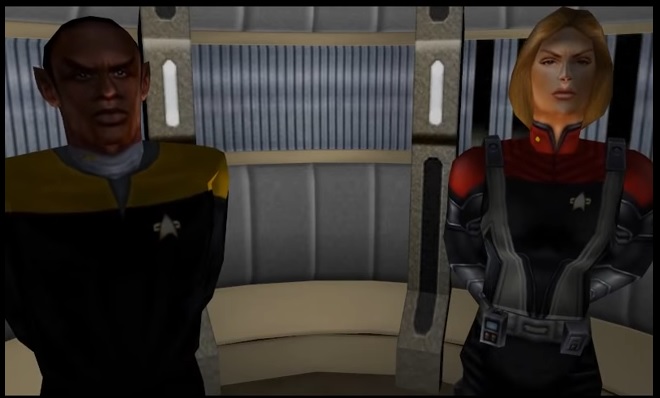
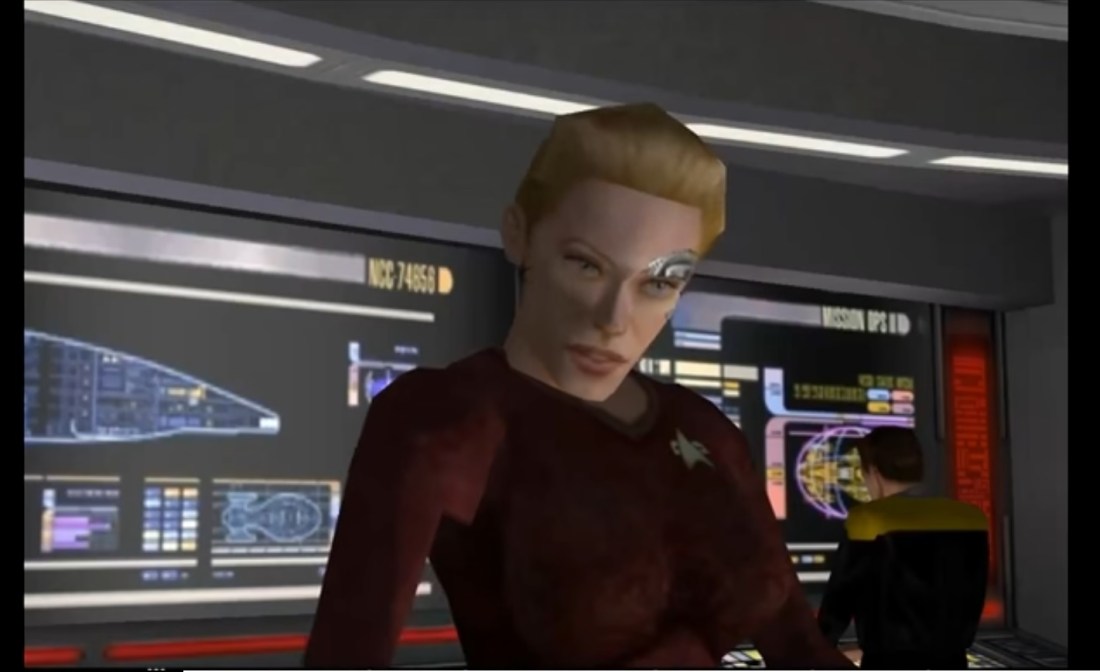
The cut scenes look adorably 2000; the external shots of the ship and space are CG animation and everyone’s got that scanned in face stretched across a box look. But it’s the real actor’s faces, Seven of Nine is still hot and rather than thinking this is too old to enjoy, I’m happily going along with it. It’s an old game but no less involving for it. Reporting for duty, stretchy-face Janeway.

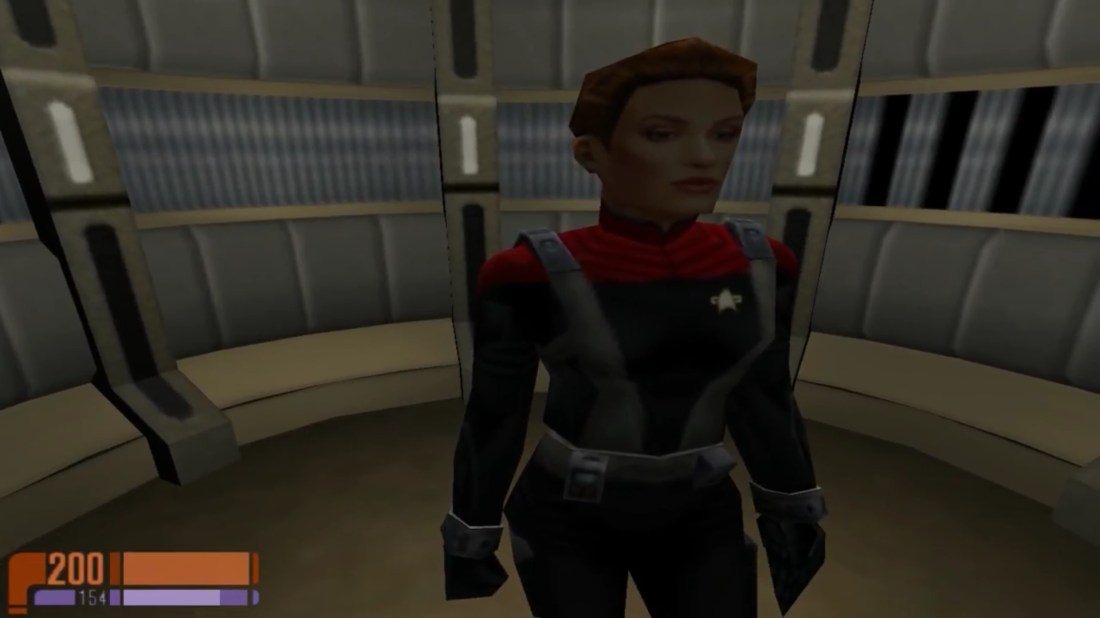
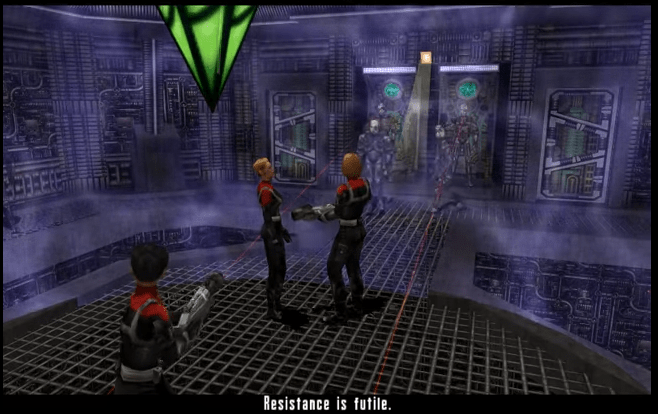
So after a quick captain’s log, I’m wandering about a borg cube. While it does look a little Quake 2, movement is fine, the death animations are great and it’s thrilling for a trekkie and challenging for a shooter fan. The interiors of the ship look great and the borg are menacing. Taking their design style from the First Contact movie, they look Hellraiser-ish and have laser sights and make grabs as you pass, aiming to assimilate you once they get past your armour and health. Oddly, both Health and Armour are repowered by single health points dotted about, essentially giving me 200 health since amour gets whittled down first. Nevermind, turns out I need it, this is an unforgiving game in terms of hit damage. I’m really into it, and I’m resisting a resistance is futile comment.

Playing merrily away, I realise the mechanics of shooters really hasn’t changed in over a decade and a half. I spin through a choice of weapons, jump and duck, shoot and get shot, figure out how to unlock doors, get past some obstacle, take mildly non-linear routes to a goal. The only difference between now and here is the pixel count and that doesn’t matter when the game keeps you busy and involved. There’s lots of mini cutscenes during missions that reinforce what we’re up to, chatter between me and the rest of the team and mission parameters update and change regularly; I realise that structurally, it’s set like an episode of the show. This is great!

It’s not so great for Voyager though – unexpectedly transported to a graveyard of derelict ships, some malevolent force with a Reaver-looking ship is intending to turn Voyager into scrap. Well, guess who’s up for stopping it. Me. Or rather, she. Elite Force was the first game I remember playing where I could chose the sex of my arm (Being a FPS, the gun wielding forearm was all you saw save for the cutscenes). Games which allowed a gender choice back then usually plumped for ‘female; faster but weaker’ while Males were stronger but slower. But here the Trek world, everyone is equally capable. What doesn’t make me feel so good is the Elite Force of the title were some kind of Special Ops Red Shirts. Anyway, via an adorably dated cut-scene, we escape the immediate threat and Janeway sets us Spec-Ops Red Shirts up to go sniff around the other derelicts to find what we need to get out of this place before the Reavers are back.

Once free of the cut-scene, I can take a wander about the ship. This is new. Most shooters stick to cut-scene, shooting-scene, but here I’m on my own recognisance until I get called to a mission or breifing. The ship looks good and is well rendered, although I spend most of my time lost. Rather than feeling like padding it’s actually nice to take a break and get a sense of what I’m defending. Later as the story progresses, missions take place on board and you feel invested in protecting it, your home. You get to meet other crew members, hang out in your own quarters or the canteen, get ordered off the bridge, mess about in the holodeck and even develop a relationship with a fellow Red Shirt, Telsia (who consistently gets shot, kidnapped and in-the-way when you try to get through doors). Our flirting is likely down to the male version of my Red Shirt being the default, but regardless it’s amazing to consider a gay relationship in a game this old, with no commentary on it either. Considering how the game industry has portrayed – let alone treated – women through the years, not to mention an almost zero LGBT presence except for titillation, this is a nice moment; we have a cute little relationship to explore as Telsia warms to me and suggests places we can meet to talk more privately. If only I didn’t keep getting lost and forgetting where she is. When I finally found her I busted out my best moves and she told me to get lost. I assumed I’d missed our moment until I realised it wasn’t Telsia, just a similar looking NPC. Telsia was on the other side of the canteen. It’s disappointing then, that in Elite Force 2 a female option is no more. It regresses back to standard cis heroic male (with whom Telsia continues flirting, and likely getting stuck in doors with). So much for progress.

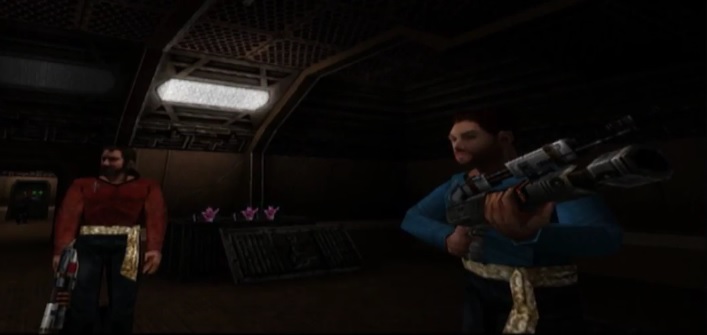
The structure of the game really does mirror an episode of the show and it makes it so much more involving. There’s plot, drama, action, problems to solve, retrospective moments and characterisation – much of which is on your say-so as you wander the ship, fix things and interact, influencing the way NPCs behave. It’s still basic, this is no Mass Effect but in some ways I feel ME owes EF at least a nod. If you swapped Voyager for the Normandy and Telsia for Ash. Or Liara, or Miranda or Tali, Jack or … Just the same. Anyway, point is I hadn’t appreciated the depth or subtlety in Elite Force. It really tried to be something more than a straight shooter although as a shooter EF works well; the weapons are varied and actually work with different baddies rather than lazily getting bigger/outrageous/unuseable the further you get. You can also choose a weapon loadout ranging from just a Phaser to going Commando (I mean like the scene in Commando where he tools up). Plus you’re often shooting trek badguys too. The Klingons, the borg plus a few Voyager villains and some created for the game. They use typical group or cover tactics but rarely miss; run and gun will get you Redshirted quick.

The missions are well paced and much like the show, you’re rarely alone; Elite Force crew accompany you. Aside from Telsia’s headstrong habit of trying to get through doors first, they’re handy to have around. They work well, fight well and are quite chatty, talking about the mission, past events, how they’re feeling about things. It’s nice to not to play the lone gun-woman and their prattling keeps it all tied together. They’re often key to progressing too, splitting up to recon or hack doors, or if Telsia’s involved, triggering a firefight or setting off a trap. You become protective of them, they’re not cannon fodder. If one dies, another NCP doesn’t just beam in and your team is down by one – and mourned by all. This comrade-connection extends to the periods of R&R aboard the ship and several main characters in the game are the TV show’s background or recurring characters – you often overhear comments or references to episodes or trek events. All of this would go over the non-pointy ears of non-trek fans but for those in the know, it’s a lovely touch.
The devs also keep each mission memorable. There’s a great plot twist during a borg mission where you walk into a trap (Telsia…) and instead of assimilation it was a set-up to blackmail you into finishing off an old adversary of theirs from the series. It’s a nice little nod tying it into the show but from a gaming perspective, suddenly you’re span off into a new situation and there’s a different tone to the mission.

One level in particular stands out, for its trek references and great level design; on a recon mission, Redshirt realises the space station they’re on is actually the fused together wreckage of different species’ ships where they co-exist in their own areas with an uneasy truce. It’s a great location and environment. We have a sneak mission past the Klingons who bitch about the untrustworthy humans. Humans? We sneak on, and enter a strangely familiar ship. It’s the original series! But not as we know it, Jim. This is the alternate universe from the classic series episode Mirror, Mirror. There’s no mention, no reference and it has no bearing on the story but it’s a brilliant touch and I had loads of fun walking in and out of the doors to hear that woosh sound. No Telisa to get in the way thankfully – because she’d been kidnapped. The level ends on a cameo (and boss firefight) with a well-regarded species from Voyager too. It’s a great level.

Finally, our hero, our Redshirt, Alex progresses too. Beginning as a hothead disappointment and threatened with being cut from the team, she progresses to team leader by the final quarter, and it actually feels deserved. It’s a nice little character arc within a great storyline, set in a solid game. Plus as part of the command crew, I get to hang out with Seven. Just don’t tell Telsia.

As a retro game, Elite Force is great. Yes, it looks its age but that’s most evident in the blocky representation; It’s got a solid plot, adventure, characterisation and you get invested – You care that Voyager escapes. It’s a shame it was marketed with the line ‘set phasers to frag’ – that’s just going to piss everyone off, trekkies and trek-haters. But it’s a great shooter. There’s few games in this genre that can boast such a well-rounded and considered experience; For me, I’ve rediscovered a rival to Half-Life and that’s not just the Trek talking. I am very happy that Elite Force isn’t going back to the ‘wont run in windows’ box and it won’t be forgotten so quickly. Least there were no Gorns this time around.

2000 | Developer Raven Software | Publisher Activision

Genre FPS, Sci-Fi

Platforms; Win, PS2

Bulletstorm

a second wind review

FBT blazes his way through Bulletstorm, before Gearbox f’ed it up for no reason. Like they did Duke. And aliens. Got Borderlands right though, so silver lining and all that.

killing dick

When Bulletstorm came out in 2011 it disappeared quickly, with both critics and gamers wary – With its throwback box art which recalled the original Doom cover, the trailer aping the Halo 3 diorama and a free download called Duty Calls, Bulletstorm seemed out of place; taking the piss at a time when games took themselves very seriously; it was the prime ‘realism’ era of gaming with COD Black Ops and the Medal of Honor reboot the year before while 2011 also saw Modern Warfare 3 not to mention trifling games like Crysis 2, Deus Ex: HR, Batman AC, Rage, LA Noire and Mass Effect 2 out around the same time – triple A games that strove for realism and here was a linear shooter that rewarded you for sniping someone in the ass. The only other exception was the mighty Saints Row 3 and no one knew what the hell to make of that, dimissing it as a bit of daftness (It’s not). So it’s no wonder Bulletstorm got overlooked. Compounding the gamer nervousness around it, Bulletstorm itself didn’t seem to know its own place – it wasn’t all about kicking baddies into cactus (cacti?), a serious subplot around avenging a death and a sidekick’s descent into madness chafed with the wise-cracking of our hero while the horror of the world you play in and the fate of the hero’s merry band don’t gel with the silliness of the xp system. Was it a giggle-some shooter for after-the-pub or an engrossing survival shooter? Was it the game Duke Nukem Forever should have been, was it actually quite dark beneath it all? It didn’t seem to know itself, it’s like art design, dialogue and story writers all worked in their own vacuum and someone else pulled it together. Not to mention the rage-inducing cliff-hanger ending; it’s one thing to leave fans wanting more, it’s another somewhat arrogant thing to expect them to want more; It’s just a betrayal – revenge story, hardly Mass Effect epic and a clichéd one at that. It does sometimes feel like the devs were mighty pleased with themselves while pulling BS together, like they had something revolutionary, like they were going to beat DNF to the punch and launch the next generation’s Duke. Being bits of everything and nothing, Bulletstorm seemed to cancel itself out and it quickly faded away. Except that, over time gamers got it and BS developed something of a cult following; it was one of the games no one had but there was always someone who said, when you complained about the latest COD being a reskin, ‘you should try Bulletstorm’ and Gearbox’s unexpected relaunch of it shows Bulletstorm was one of the games you lent and never got back.

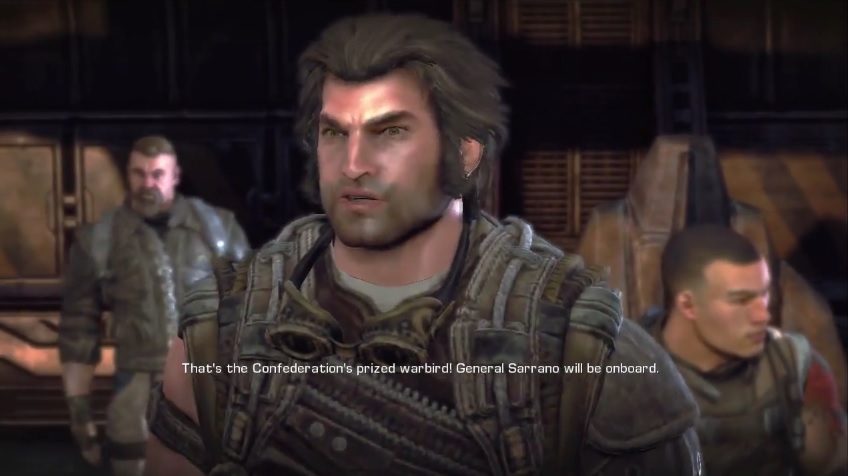
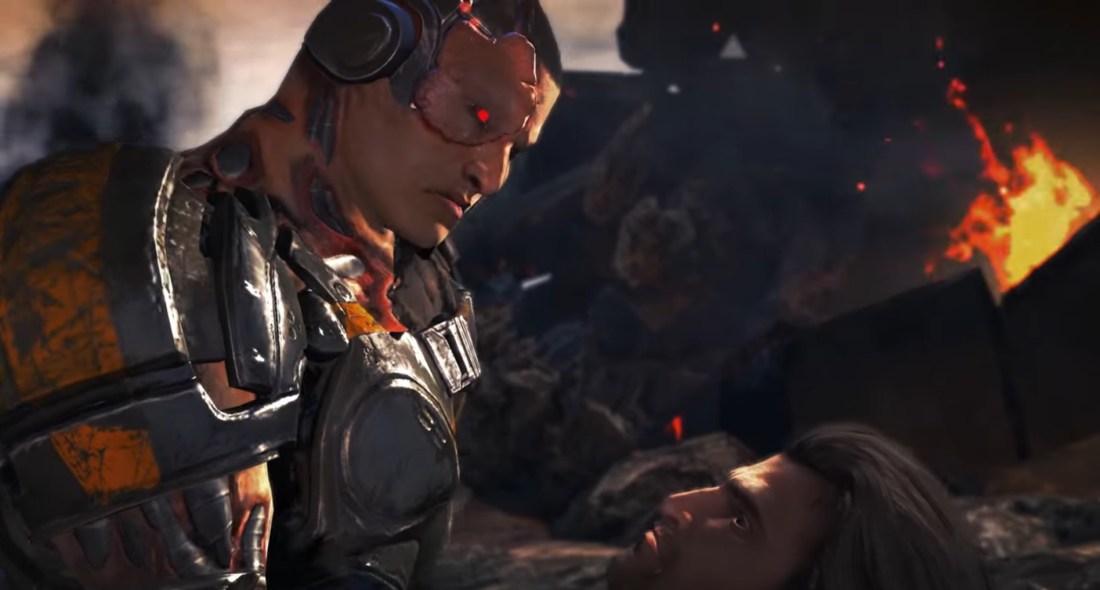
Bulletstorm opens in the 26th century with ‘Dead Echo’, a Spec-Ops team busily assassinating traitors. Mission accomplished, our hero, Gray, discovers Dead Echo is being used by their CO, Sarrano; they’ve actually been operating as his personal death squad; the list of ‘traitors’ were innocents looking to expose his dodgy side-deals. Barely escaping a trap Sarrano sets as the last link to him, Dead Echo becomes a band of burnt-out mercs with Gray drunkenly obsessed with killing Sarrano, filling his time finding and torturing Sarrano’s men as much for fun as information; a chance encounter with Sarrano’s flagship results in both ships crashing on a nearby planet and in the ensuing fracas, Gray escapes while all but one of Dead Echo is wiped out; only Ishi survives after being cybernetically rebuilt with the ship’s AI to control his bodily functions. And the ship AI has had just about enough of Gray’s shenanigans. Ishi Mk2 attempts to murder Gray, only relenting when they discover Sarrano also survived the crash and is on the planet somewhere. The two remaining Dead Echoes agree to find Sarrano so they can escape and save Ishi before the AI takes over completely. And so begins a solid ten hours of shooting, kicking and brutalising everything between here and Sarrano.

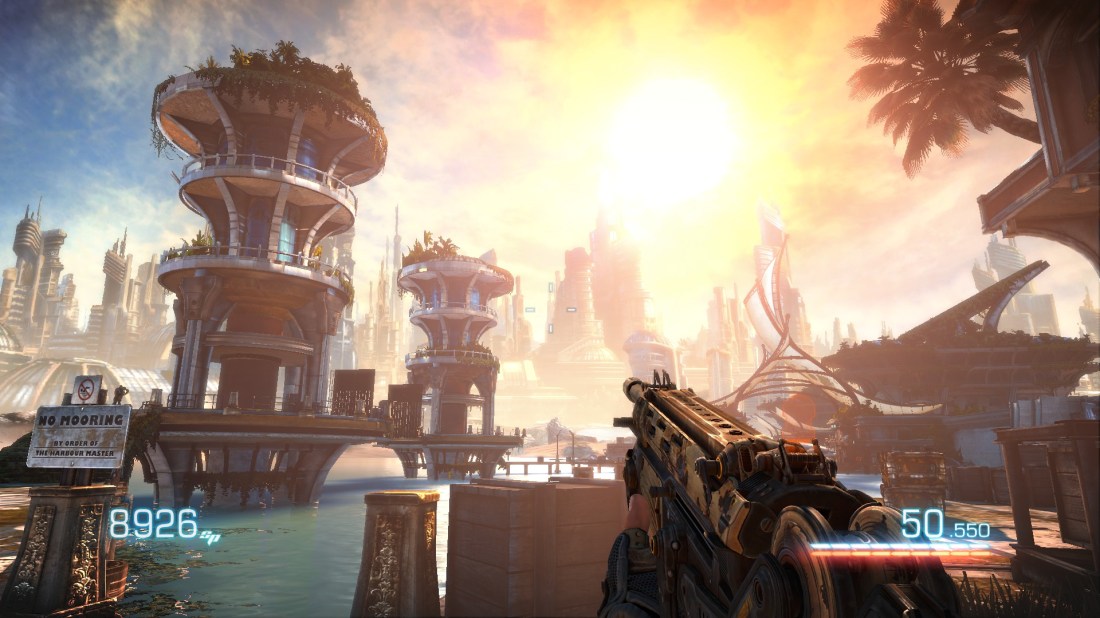
The world Grey lands on is a failed pleasure planet, kind of an amusement park meets all-inclusive holiday resort. But this place was not ‘ATOL protected’; the resort is overrun with dangerous clans of prisoners who were shipped there to build the place then left to rot when the park was abandoned, partly because they discovered too late the planet was filled with carnivorous plants and a huge Godzilla-like species, and because they dumped tons of toxic waste underground that seeped into the water supply and mutated the holiday-makers. It’s this mix Grey and Ishi fight their way through and as a set design, it is brilliantly observed. Beneath the rot and decay you can see an incredibly detailed and believable resort and locations to blast your way through. Much like People Can Fly’s previous effort, Painkiller, the world you inhabit is as beautiful as it is brutal.

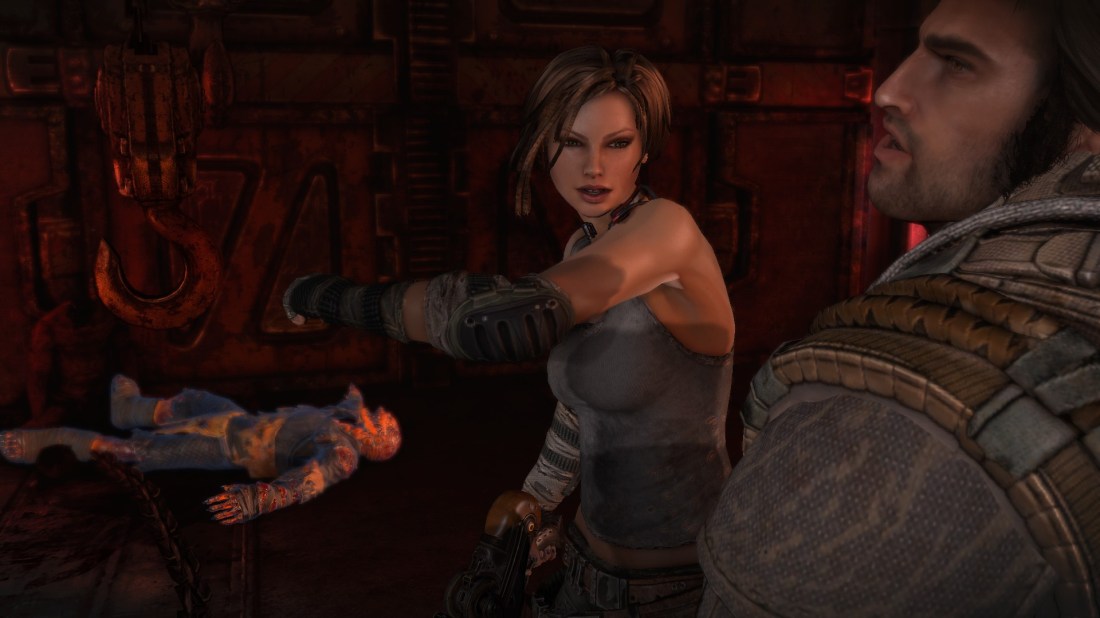
As the two make their through the resort, dealing with Ishi slowly being assimilated by the AI they find another survivor from the crash. An amusingly and foul-mouthed female solider, Trishka, who joined Sarrano’s crew for one reason – kill Dead Echo. When Trish isn’t insulting Grey (‘Get any closer and I will kill your dick!’ / ‘Wait, what? You’re gonna kill my dick? What does that even mean?!’) she starts to come around to Grey’s way of thinking on Sarrano, who she blinded followed, not knowing Gray’s the guy she’s trained to kill. Her and Ishi make for interesting companions through this nightmare world.

Fighting through the world is relentless. Not Borderlands relentless, and not the drudge of Painkiller but intense. The different clans you encounter each have different attacks, styles and approaches and they all move fast. In order to counter them, you have something special – Early on Grey finds a strange device which attaches itself to his wrist and has a leash he can use to grab objects and villians with spectacularly gruesome effects. Trishka explains the planet was being used by Sarrano as a training ground and the leashes were to track star soldiers and provide them with ammo – if they managed kills. Quite a severe but effective way to weed out the weak and one of the few times xp is truly woven into a game; the bigger and better the kills, the more skill the leash awards and the more ammo and upgrades you can afford. Usually xp has a hackneyed justification for being but in Bulletstorm it not only feels right but has immediate ‘real world’ consequences if you don’t man-up. Yes, scoring xp with outrageous kills is a great deal of fun but it being your only way to get special ammo and power-ups adds another level to the shooting. Pulling someone towards you with the leash causes them to go into a form of bullettime and you glance around, looking for a cliff, wall, metal post, anything to shoot or kick them into with insane and messy results. It adds a level of thrill and awareness to the world rather than mundanely splattering through and even when overwhelmed you’re still looking for any opportunity to kill by cacti.

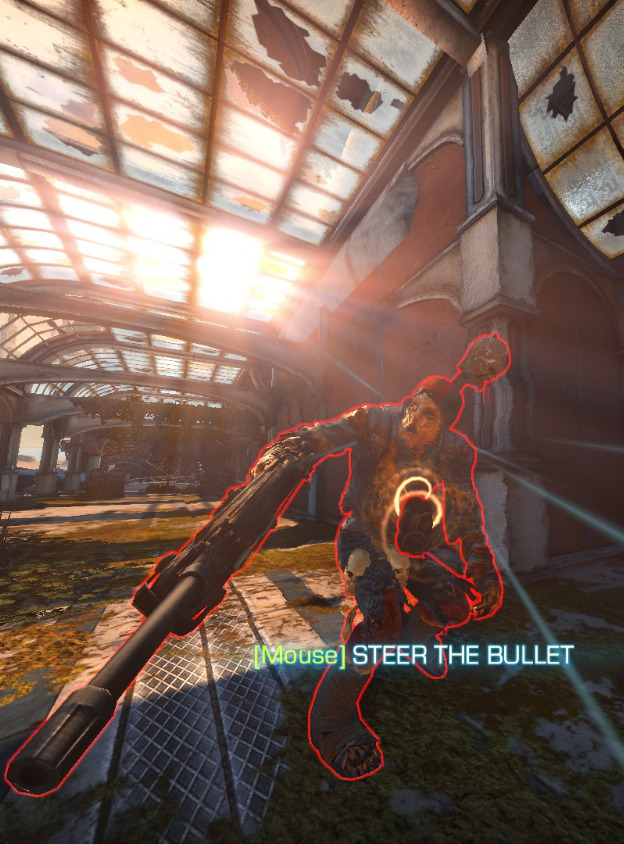
The weapons also allow for different kills. The standard weapon, a machinegun has an alt fire that unloads an entire clip in one shot leading you to try and line villains up for a blast. The sniper rifle allows the bullet to be directed mid-flight once it’s locked to a target and soon you’re Wanted-style bending them around corners; pulling the trigger is only the first step to killing in Bulletstorm – a grenades-on-a-chain weapon lets you fire then detonate later but trying to chain-up baddies or chaining them to nearby objects creates all manner of mayhem. Hidden in the madness is a thinking game; in the middle of the kind of mayhem reserved for button mashing you’re planning and looking for opportunities.

While the set design stays mostly within the world of the holiday park, there are some variations such as toxic caves and crumbling high-rises but BS also relies on several QuickTimeEvent set pieces to keep things interesting. Being chased by a huge spinning gearwheel, a Godzilla creature and even a model village set of the park are all stand outs. For one sequence Grey even gets to control a mech-zilla to clear the way and it’s so much fun it’s almost sad when it does down.

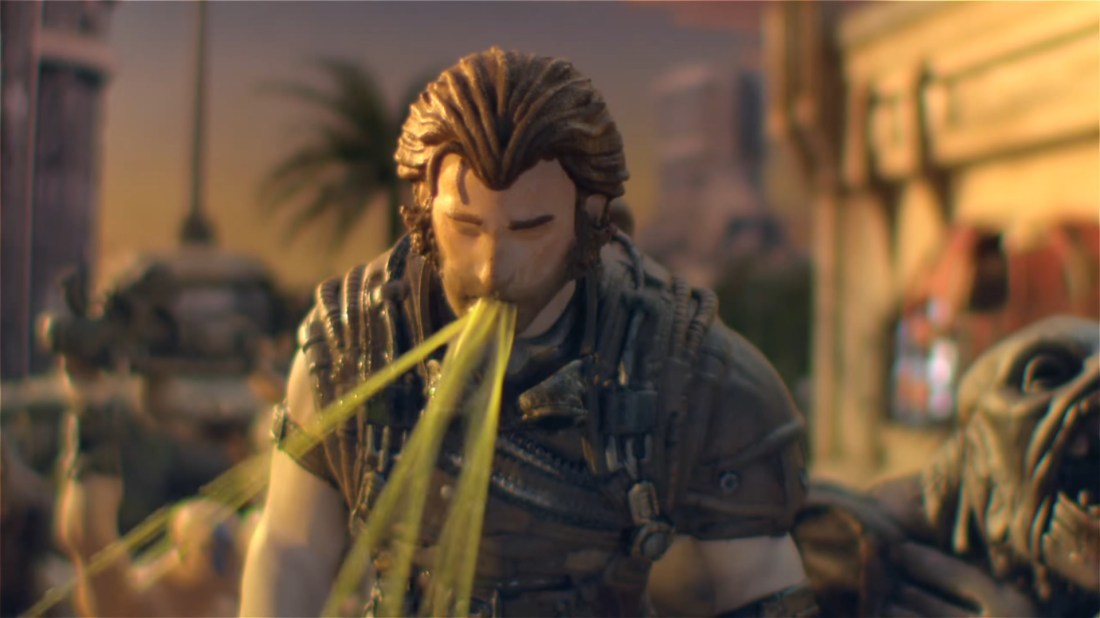
Eventually Sarrano is tracked down and we’re forced to work alongside him to get off the planet, only to (obviously) be double-crossed. But Bulletstorm is a great ride start to finish, an exhilarating, breathless race with some insane weapons, set-pieces and characters to enjoy a solid ten hours of gaming palate-cleansing. It is a refreshing change from the dour and seriousness of other shooters. Gray is something of a Duke clone but without the misplaced, misjudged misogynies of DNF. Throughout the levels, you can find beer to drink and like Redneck Rampage eons ago, doing so will make his aim go off (and draw Ishi’s ire – ‘You disgust me’) but it makes the firefights fun and rather than being bombastic, stoic or silent, Grey is often surprised and annoyed at the situations he finds himself in and isn’t above teasing Trishka or Ishi about their predicament – one that he has to take responsibility for, and comes to do so as the game draws to a blood-soaked close. Trishka is a solid female sidekick whose gender is a non-issue and has her own agenda while constantly points out what a dick Gray is. Ishi, heavily scripted with his AI-driven tantrums makes for a different kind of sidekick; rather than just blindly following as most companions do, or just there to remind you what you should be doing, he questions and comments on Gray’s choices and is intending to save Sarrano not get revenge (Ishi has always put down the betrayal as part of the business, unlike Gray who took it personally); early on he tells Gray that Sarrano is under his projection in return for rescue, setting up the potential for a nasty falling-out and adding a dynamic that’s frustratingly never really resolved – it was clearly intended given that goddamn cliff-hanger ending making it even more galling. Sarrano on the other hand, is just the worst villain ever committed to gaming. He’s all ‘shitkickers’ this and ‘grab your ladyparts’ that, screaming insults and sneering contempt. I’ve never hated a character so much. And that’s not good storytelling drawing the hate, he’s just so incredibly annoying, a Poundland R.Lee Ermey. I constantly wanted to murder him just to shut him up and it’s so obvious he’s going to double-cross us it’s the one time the game falters and slows down. The rest of the time it’s exhilarating but once he’s involved it’s ‘been here, done that’ and his character being so frustrating makes it worse. Critics complained about the uneasy balance between the serious story and the knockabout gameplay but really it can be seen as gallows humour in the face of an insanely difficult situation, its only when Sarrano’s on the scene does BS feels tired and unoriginal.

Since Bulletstorm comes from Painkiller creators People Can Fly (which became Epic Poland then became PCF again) it shares a lot of that game’s style and approach. The hordes of baddies rushing at you are straight out of Painkiller and the leash is a techno version of the Painkiller weapon. But Grey, interacting with Ishi and Trish is a much more entertaining character than PK’s Daniel while their escaping this Hell is somehow more interesting than Daniel trying to purge his soul. It’s a brilliant world to kill in. Also great is how Grey continues to make things worse for himself and the others, his temper and machoism getting the better of him – one level sees them navigating through a cave system where something is following. They find themselves an exit but there’s huge eggs in the way. We all know this will not end well, Grey knows it, Ishi begs him not to but Grey merrily smashes them to get through. Of course, something big and nasty isn’t happy but rather than just appear at the end of the level as a boss battle, the huge Godzilla creature just keeps putting in appearances as they progress through the game, eventually appearing in the final third in a great aerial set-piece. Trishka just marvels at how Grey could have willingly upset such a creature.

Bulletstorm is a short game, it does rely on a lot of scripted moments and over time, kills lose their appeal; the plot and gameplay feel at odds often and the open/cliff-hanger ending is unforgiveable – it’s easy to see how it was overlooked not just in the face of some major AAA games in 2011 but also as a cartoony bit of silliness. But it easily surpasses any COD Reskin for sheer inventiveness and pure-blooded shooter fun. It’s just really good. And that ending does suggest PCF knew they had a good game but were over confident, like this was the start of a franchise. Maybe it was publisher pressure to create a story-arc but there’s no reason why Grey couldn’t have gone onto other adventures rather than just drag this slight plot out into a series (That was FEAR’s problem). It’s a shame we didn’t get to knockabout with Gray again.

That is, unless Gearbox’s gamble pays off. They bought up the IP and re-released Bulletstorm in 2017, much to everyone’s surprise, chucking a 4K up-res and some maps in and asking near full-whack for it. Who for? It’s not like the original was aged or unavailable. Bioshock’s remaster didn’t make Rapture any more beautiful or immersive; the Skyrim redo was for the hardcorers – when are publishers going to realise its the experience not the pixel-count that brings us back? It’s a worrying trend; publishers seem to think releasing remasters will push the brands back into the charts, give the IP some value and keep the franchises going while they tried to figure out what to do next. If you’re going to remaster a game, it needs to be a game that needs it, that can capture new fans and let the originals replay it at today’s spec – the Monkey Island series or Broken Sword with its additional scenes rounding out the story; the success of those overhauls led to new adventures. Bethesda should have remastered Morrowind instead. Worse, in Gearbox’s remaster you can swap Gray out for Duke Nukem – complete with re-recorded lines from John St.John. Both Gray and Duke use their foot for a melee weapon and they’re both macho, but really that’s where the similarity ends and this seems like a disservice to Bulletstorm (and both Gray and Duke) and just a cynical marketing campaign to reboot both franchises. Avoid Gearbox’s latest evil plan and stick with the original. Get in there and kill some dick.

2011 | Developer People Can Fly / Epic Games | Publisher Electronic Arts

platforms; Win, PS3, X360 (PS4 & XO for the remaster)